Iran War Escalates: Gulf States, Europe Face Growing Involvement Risk
Iran's Supreme Leader is dead and a regional war is escalating after U.S. and Israeli strikes. Hezbollah has joined the conflict, with Israel striking Lebanon. The crisis raises fears of wider involvement from Gulf states and Europe.

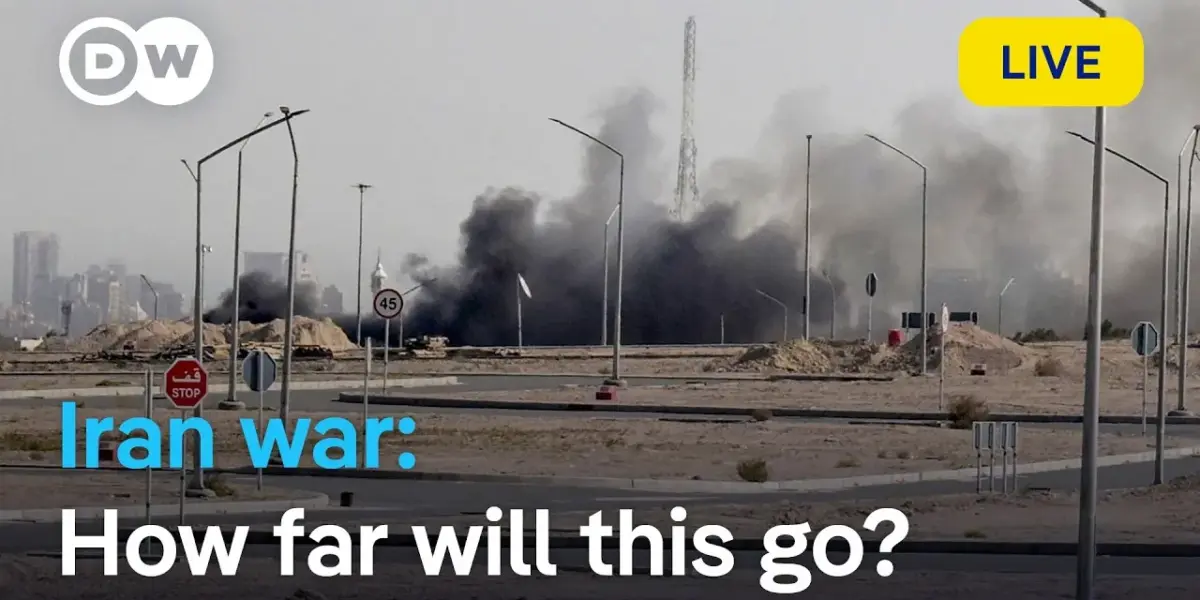
Iran War Ignites: Supreme Leader Dead, Regional Conflict Widens
The Middle East is teetering on the brink of a full-scale regional war following a dramatic escalation involving Iran, the United States, and Israel. In a development that has sent shockwaves across the globe, Iran’s Supreme Leader has been killed, and extensive strikes have been carried out within Iranian territory by both the U.S. and Israel. The Red Crescent has confirmed a staggering 555 fatalities within Iran, underscoring the devastating impact of the initial military actions.
Hezbollah Enters Fray, Lebanon Under Fire
The conflict, now entering its third day, has rapidly expanded beyond initial expectations. Iran is reportedly retaliating militarily, and the powerful Lebanese militia Hezbollah has officially entered the conflict. In response to these developments, Israel has initiated strikes on Lebanon, signaling a dangerous widening of the battlefield and a significant increase in regional instability.
The Specter of Wider Involvement: Gulf States and Europe on Alert
As the conflict intensifies, critical questions are emerging about the potential involvement of other key global and regional players. The involvement of Gulf states and European nations is now a pressing concern. Their proximity to the volatile region and their existing economic and political ties to the involved parties place them in a precarious position. The potential for this conflict to engulf a wider swathe of the Middle East, drawing in major economic powers and potentially disrupting global energy markets, looms large.
Geopolitical Tensions Reach Boiling Point
The current crisis is the culmination of years of simmering tensions, proxy conflicts, and a volatile geopolitical landscape. The direct involvement of major powers like the U.S. and Israel, coupled with Iran’s retaliatory actions and the entry of non-state actors like Hezbollah, has transformed a localized dispute into a potentially catastrophic regional conflagration. The death of Iran’s Supreme Leader represents a pivotal moment, removing a key figurehead and potentially creating a power vacuum or leading to a more aggressive, unified response from Tehran.
Humanitarian Crisis Unfolds Amidst Military Strikes
The confirmed death toll of 555 within Iran highlights the immediate and devastating human cost of the escalating conflict. The Red Crescent’s confirmation points to significant civilian casualties or at least a substantial impact on the Iranian population. As hostilities spread to Lebanon, fears are mounting for the safety of civilians in that region as well. The breakdown of diplomatic channels and the rapid descent into armed conflict threaten to create a severe humanitarian crisis, with potential for mass displacement and widespread suffering.
Global Ramifications and Economic Uncertainties
The implications of this escalating war extend far beyond the immediate theater of operations. The Middle East is a critical hub for global energy supplies, and any significant disruption could lead to soaring oil prices, impacting economies worldwide. Furthermore, the involvement of major global powers raises the specter of a wider international conflict, with unpredictable consequences for global security and stability. European nations, heavily reliant on Middle Eastern energy and deeply invested in regional stability, are particularly vulnerable to the fallout.
Diplomatic Efforts Face Uphill Battle
While the situation is dire, diplomatic channels remain crucial, though their effectiveness in the current climate is uncertain. International bodies and individual nations will likely be attempting to de-escalate the situation and prevent further spread. However, with key leaders dead and military actions underway, the space for negotiation appears dangerously limited. The challenge will be to find a pathway to dialogue that can address the core grievances and security concerns of all parties involved, a task that seems increasingly daunting.
Looking Ahead: The Path to De-escalation or Wider War?
The coming days and weeks will be critical in determining the trajectory of this crisis. The immediate focus will be on whether Iran’s retaliation intensifies and how Israel and the U.S. respond. The involvement of Hezbollah and the strikes on Lebanon mark a dangerous new phase, increasing the likelihood of a protracted conflict. The world watches anxiously to see if diplomatic efforts can gain traction or if the region is destined for an even broader and more devastating war, with potential involvement from Gulf states and European powers becoming an unavoidable reality.
Source: Live: Could the Gulf states and Europe get involved in the Iran war? | DW News (YouTube)

Related Articles
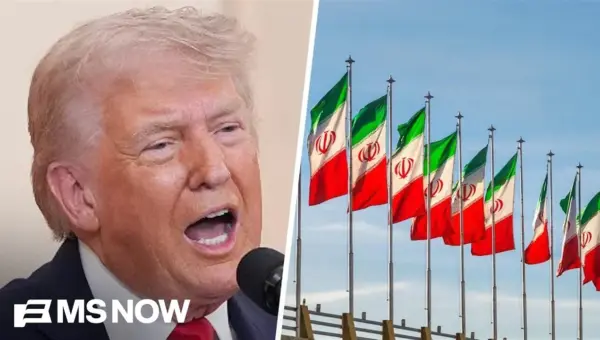
Iran War Disliked, But Public Outrage Muted: Analysts Weigh In
Despite widespread disapproval of the Iran war, public protests remain muted in the US. Analysts cite fear of reprisal, the prolonged nature of anti-war movements, and America's energy independence as key factors. The conflict's economic impact and the lack of clear objectives continue to fuel public skepticism, though widespread suffering is not yet felt domestically.

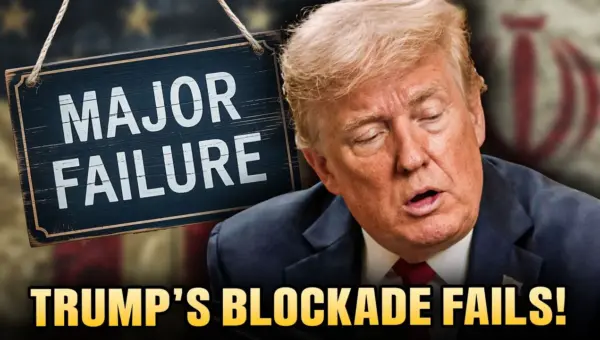
Trump’s Blockade Fails, Allies Shun Mission: A Pattern?
A reported failure of Donald Trump's blockade of the Strait of Hormuz, with ships passing through unimpeded, raises questions about policy effectiveness. This incident, coupled with allies' reluctance to join the mission, suggests a pattern of unintended consequences and strained international relations.

Russia’s War Costs Strain Putin’s Elite Bargain
Russia's prolonged war in Ukraine is straining President Putin's grip on power. Declining oil revenues and escalating military costs are forcing internal power shifts, with intelligence services reportedly gaining influence. This financial pressure is creating significant discontent among the elite and risking broader instability within the Kremlin.