Oil Trade Disrupted: Ships Idle as Iran Conflict Sparks Price Fears
Escalating military actions in the Middle East have crippled oil tanker traffic through the Strait of Hormuz, leading to a 9% spike in oil prices and fears of further inflation. Experts warn that a prolonged conflict could push retail gasoline prices to $4 per gallon and create widespread transportation bottlenecks globally.

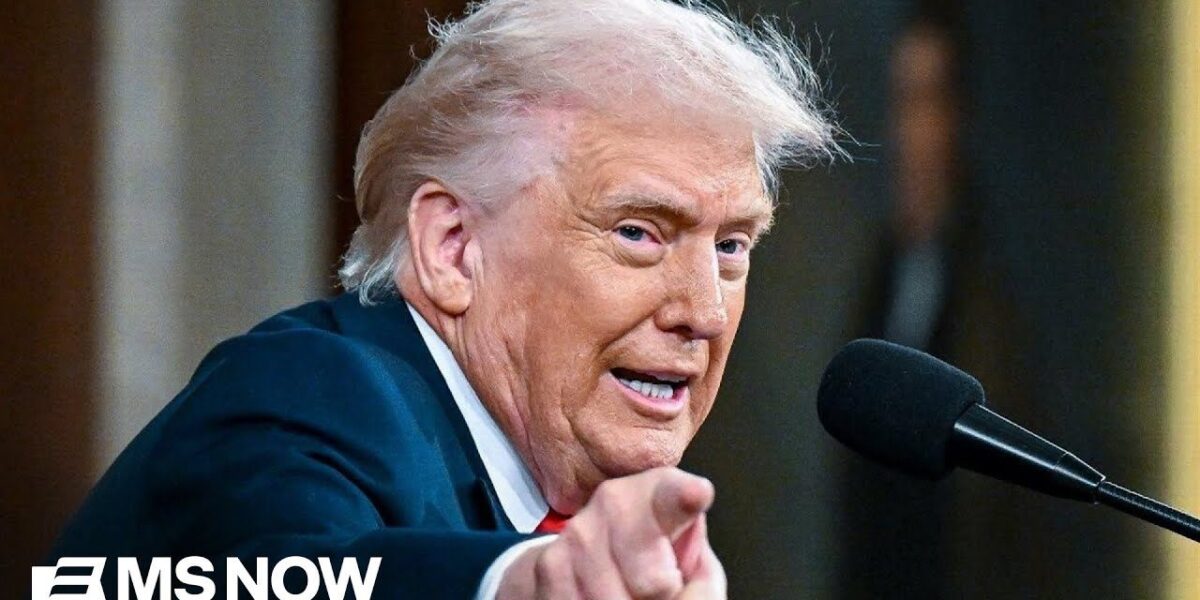
Global Oil Trade Faces Major Disruption Amidst Escalating Iran Conflict
In the hours following coordinated strikes by the U.S. and Israel on Iran, the Islamic Republic has launched retaliatory missile attacks across the region, significantly impacting global oil trade and raising concerns about spiking energy prices. The BBC reports that at least three oil tankers have been attacked in an “extremely oil-rich area that is a hub for international trade,” according to an expert speaking on the matter. The escalating conflict threatens to prolong instability in a region critical for global energy supplies.
Strait of Hormuz: A Critical Choke Point Under Threat
The Strait of Hormuz, a vital waterway through which as much as a third of the world’s oil shipments pass, lies directly off Iran’s coast. The New York Times reported that traffic through the strait dropped by as much as 70% following the initial attacks. “Anything that would close the Strait or make it harder for ships to cross could send oil skyrocketing,” warned Halima Croft, Managing Director and Global Head of Commodities Strategy and MENA Research at RBC Capital Markets.
Economic Repercussions: From Oil Prices to Inflation
The immediate impact has been felt in energy markets, with oil prices spiking 9% in early trading as Asian markets opened. Croft elaborated on the potential consumer impact, stating, “If we talk about oil prices and retail gasoline prices, we could feel the effects very quickly if the Strait of Hormuz is not reopened.” While Iran has not physically blocked the strait, insurance companies and Western shipping firms are choosing to avoid the area due to the risk of drone or mine attacks. This has led to ships idling, effectively creating a “parking lot” on the water.
“These ships, where will they go? They’ll just sit in waiting? They’re just basically becoming a parking lot. And the question is, again, if this is an extended military confrontation… If there is no plan to ensure safe navigation through the Strait of Hormuz, that is a path to $4 retail gasoline prices.” – Halima Croft
Croft highlighted the political implications, noting that low gas prices have been a signature economic accomplishment for the current U.S. administration, particularly with primaries approaching. The potential for a sustained conflict could also lead to a jump in inflation, not just through gasoline prices but also through increased transportation and production costs for goods that rely on oil and natural gas. The disruption could also affect the significant quantities of liquefied natural gas (LNG) that transit the strait.
Beyond Oil: Broader Transportation Bottlenecks Emerge
The conflict’s ramifications extend beyond maritime trade. Airspace across the region has been closed, with major airports like Dubai International Airport shutting down operations. “So there are lots of transportation bottlenecks that could emerge the longer this conflict continues,” Croft observed. This widespread disruption creates a complex web of logistical challenges that could impact global supply chains.
Workarounds and Their Limitations
While markets often find ways to adapt, as seen with previous tariff impositions, the current situation presents unique challenges. Potential workarounds, such as utilizing pipelines like the East-West pipeline in Saudi Arabia to divert oil away from the Strait of Hormuz, are themselves vulnerable. Croft pointed out that this very pipeline was targeted by drone attacks in 2019, raising questions about the security of alternative routes in an active war zone.
“So is the alternative route, secure in an active war zone?” – Halima Croft
The possibility of using strategic oil reserves from the U.S. and Europe is also being considered. However, the effectiveness of such measures is limited if the fundamental issue of safely transporting oil remains unresolved. Even OPEC’s decision to increase production by approximately 200,000 barrels per day may be insufficient if Middle Eastern production becomes stranded due to the conflict.
Duration of Conflict: The Key Determinant
The primary focus for market analysts and traders is the anticipated duration of the conflict. Croft contrasted the current situation with a previous 12-day confrontation in June, which had minimal economic impact due to its brevity. “If it’s a short conflict, if it’s basically similar to what we saw in June… you can say we could have temporary problems but they should abate,” she stated.
However, the current Iranian response appears to be broader and less contained than in previous instances. The Revolutionary Guard’s actions suggest an intent to “internationalize the pain” by raising the cost of external actions. This wider scope, coupled with potential U.S. administration discussions of a four-week confrontation, necessitates preparation for prolonged economic difficulties.
Unanswered Questions: Strategic Planning and Expectations
The situation also raises critical questions about the strategic planning and expectations of the involved governments. Observers are questioning the White House’s anticipation of the situation’s aftermath, particularly in the context of past conflicts where initial expectations of swift resolutions proved inaccurate. The effectiveness of any future diplomatic or economic strategies will hinge on a clear understanding of the potential long-term consequences and the development of robust contingency plans.
Looking Ahead: Monitoring Geopolitical Tensions and Market Stability
As global markets digest the latest developments, all eyes will be on the geopolitical landscape and the duration of the conflict. The ability of international bodies and nations to de-escalate tensions and ensure the safe passage of vital energy resources will be paramount in mitigating further economic fallout and preventing a sustained surge in global energy prices. The coming weeks will be critical in determining the long-term impact on global trade and economic stability.
Source: "BECOMING A PARKING LOT": Backed up ships indicate slowing oil trade and spiking gas prices (YouTube)

Related Articles

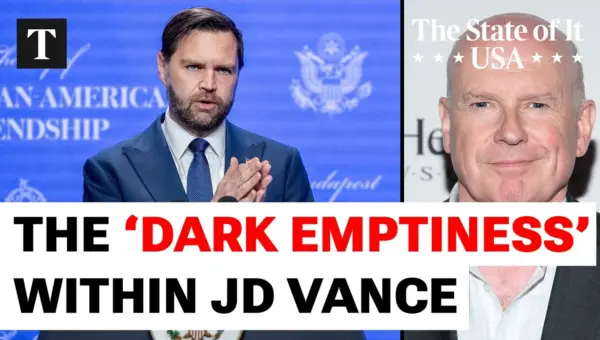
Trump’s “Malignant Narcissism” and Vance’s “Dark Emptiness”
Gerard Baker and Katy Balls discuss Donald Trump's "malignant narcissism" and JD Vance's perceived "dark emptiness." The conversation covers the US blockade of Iran, Vance's evolving role, and Trump's controversial "Jesus Christ" post, exploring its political implications and the nature of faith and authenticity in politics.
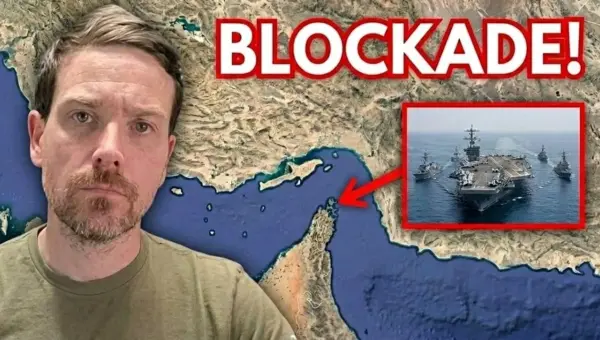
US Navy Blockade Tightens Grip on Iran’s Oil
The US Navy has imposed a strict blockade on Iranian ports, aiming to cripple the nation's oil exports and economy. With warships enforcing the closure, Iran faces significant financial pressure. The long-term effectiveness and potential for escalation remain key concerns.

Trump Tax Cuts Failed Working Americans, Ex-Obama Aide Claims
Former Obama official Jim Messina argues that Trump's tax cuts primarily benefited the wealthy, failing to provide relief to average Americans struggling with rising gas and grocery prices. He suggests that while tax-free tips offer some help to specific workers, broader economic issues are more influential for most voters.