America’s Grim Toll: More Lives Lost in Iran Conflict?
The recent deaths of three U.S. service members in Iran have reignited debate, with Donald Trump predicting more casualties. This analysis explores the historical context, differing perspectives, and the profound implications of such stark pronouncements on national security and public sentiment.

America’s Grim Toll: More Lives Lost in Iran Conflict?
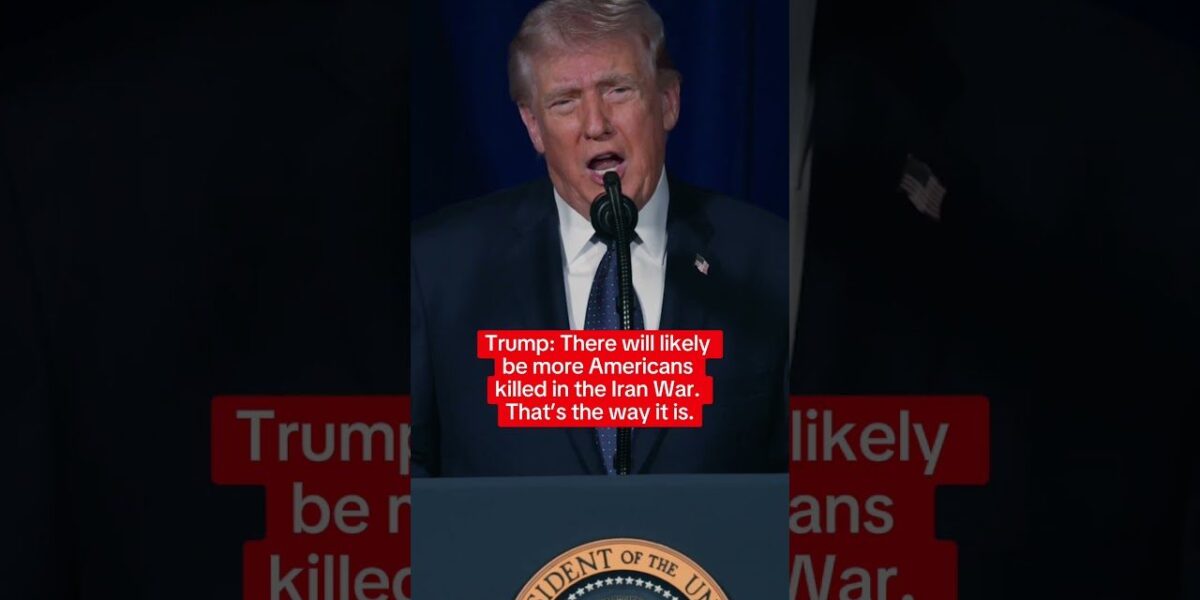
The recent tragic deaths of three U.S. military service members in action have cast a somber shadow over the nation. As the United States grapples with this profound loss, a stark and unsettling statement from former President Donald Trump has ignited a fresh wave of debate and concern: “More Americans will die in Iran, that’s the way it is.” This declaration, made in the wake of the fatalities, is more than just a grim prediction; it’s a commentary on the perceived inevitability of conflict and loss in the current geopolitical landscape, particularly concerning Iran.
Grief and Sacrifice: A Nation Mourns
The immediate aftermath of the announcement of the service members’ deaths was marked by national mourning. The official statement from Sentcom, acknowledging the loss of “true American patriots who have made the ultimate sacrifice for our nation,” underscores the gravity of the situation. The sentiment of collective grief, coupled with prayers for the recovery of the wounded and expressions of gratitude to the families of the fallen, reflects a shared sense of national unity in the face of such profound tragedy. The commitment to the “righteous mission for which they gave their lives” suggests a resolute stance, even as the human cost becomes painfully apparent.
Trump’s Stark Assessment: “That’s the Way It Is”
It is within this context of national sorrow and resolve that Donald Trump’s assertion, “And sadly, there will likely be more before it ends. That’s the way it is. likely be more,” lands with significant weight. This statement, delivered with a bluntness that has become his hallmark, moves beyond expressions of grief to a prediction of continued casualties. The phrase “that’s the way it is” implies a resignation to the harsh realities of international conflict, suggesting that further loss of life is not only possible but probable, perhaps even unavoidable, in the ongoing engagement with Iran. This perspective, while potentially seen by some as realistic or even pragmatic in acknowledging the dangers inherent in military operations, has also drawn criticism for its perceived lack of empathy and its potential to normalize further bloodshed.
Historical Context: A Volatile Relationship
The U.S.-Iran relationship has been fraught with tension for decades, escalating significantly following the 1979 Iranian Revolution. Key flashpoints have included the Iran hostage crisis, Iran’s nuclear program, its support for regional militant groups, and retaliatory U.S. sanctions and military actions. The period leading up to and following the U.S. assassination of Iranian General Qasem Soleimani in January 2020, and Iran’s subsequent missile strikes on U.S. bases in Iraq, exemplify the volatile nature of this adversarial dynamic. The presence of U.S. troops in the region, often in advisory or support roles, or as part of broader anti-terrorism efforts, places them in proximity to potential threats and retaliatory actions. This historical backdrop suggests that the risks faced by American service members in and around Iran are not new, but rather a persistent feature of a long-standing geopolitical struggle.
Divergent Perspectives on the Path Forward
Trump’s statement can be interpreted through several lenses. For his supporters, it might be seen as a candid acknowledgment of the dangers faced by U.S. forces in a hostile environment, a realistic assessment devoid of political platitudes. It could also be viewed as a warning to adversaries that the U.S. is prepared for continued engagement, even at a cost. Conversely, critics might argue that such a statement is defeatist, lacks a strategic vision for de-escalation, and fails to offer hope or reassurance to the families of those serving. They might contend that a leader’s role is to strive for peace and minimize casualties, not to accept further loss as an inevitability. The differing reactions highlight a broader debate about how the U.S. should engage with Iran and the level of risk deemed acceptable.
Why This Matters
The significance of Trump’s words lies in their potential to shape public perception and influence policy discussions. When a prominent figure, especially a former Commander-in-Chief, declares that more American lives are likely to be lost, it can either galvanize support for a more assertive military posture or foster a sense of futility and a desire for de-escalation. The statement implicitly raises questions about the effectiveness of current strategies in the region, the long-term objectives of U.S. involvement, and the ultimate cost of maintaining American influence or security interests in the Middle East. It forces a national conversation about whether “that’s the way it is” is an acceptable endpoint or a call to reassess and find alternative paths.
Implications, Trends, and Future Outlook
The immediate implication is the heightened anxiety and uncertainty surrounding the safety of U.S. personnel in the region. This could lead to increased calls for troop withdrawal, heightened security measures, or a more aggressive response to perceived threats. The trend in U.S.-Iran relations has often been characterized by cycles of escalation and de-escalation, with periods of intense confrontation followed by attempts at diplomatic engagement. However, the underlying tensions, fueled by regional power struggles and ideological differences, remain potent. The future outlook is therefore uncertain. It hinges on a complex interplay of domestic political considerations in both the U.S. and Iran, regional dynamics involving allies and adversaries, and the potential for miscalculation or unintended escalation. Trump’s statement, while stark, may serve as a catalyst for a more robust public and policy debate about the enduring challenges of U.S. engagement with Iran and the price America is willing to pay.
Conclusion: The Unresolved Question of Cost
The loss of any service member is a profound national tragedy. As the nation mourns and honors its fallen patriots, the words spoken by Donald Trump serve as a stark reminder of the perilous nature of geopolitical conflict. Whether his assessment of future casualties is a grim prophecy or a call to action to prevent further loss, it forces Americans to confront the enduring human cost of international engagement. The question of whether “that’s the way it is” is an acceptable reality, or a challenge to be overcome through strategic re-evaluation and diplomatic innovation, remains one of the most critical issues facing the United States today.
Source: Trump: More Americans Will Die in Iran, That's the Way It Is (YouTube)

Related Articles
Iran War Disliked, But Public Outrage Muted: Analysts Weigh In
Despite widespread disapproval of the Iran war, public protests remain muted in the US. Analysts cite fear of reprisal, the prolonged nature of anti-war movements, and America's energy independence as key factors. The conflict's economic impact and the lack of clear objectives continue to fuel public skepticism, though widespread suffering is not yet felt domestically.

Trump’s Blockade Fails, Allies Shun Mission: A Pattern?
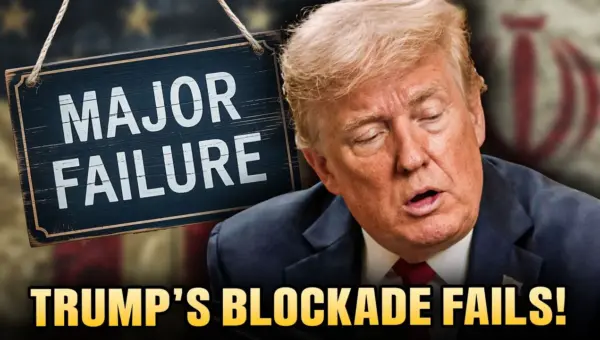
A reported failure of Donald Trump's blockade of the Strait of Hormuz, with ships passing through unimpeded, raises questions about policy effectiveness. This incident, coupled with allies' reluctance to join the mission, suggests a pattern of unintended consequences and strained international relations.

Russia’s War Costs Strain Putin’s Elite Bargain
Russia's prolonged war in Ukraine is straining President Putin's grip on power. Declining oil revenues and escalating military costs are forcing internal power shifts, with intelligence services reportedly gaining influence. This financial pressure is creating significant discontent among the elite and risking broader instability within the Kremlin.