Xi’s Reign of Terror: Are CCP Officials Really Dying?
Rumors swirl about Xi Jinping orchestrating deadly purges of CCP officials, with unverified reports of executions and suicides surfacing. A critical analysis reveals the challenges of discerning truth from fiction in China's opaque political system.

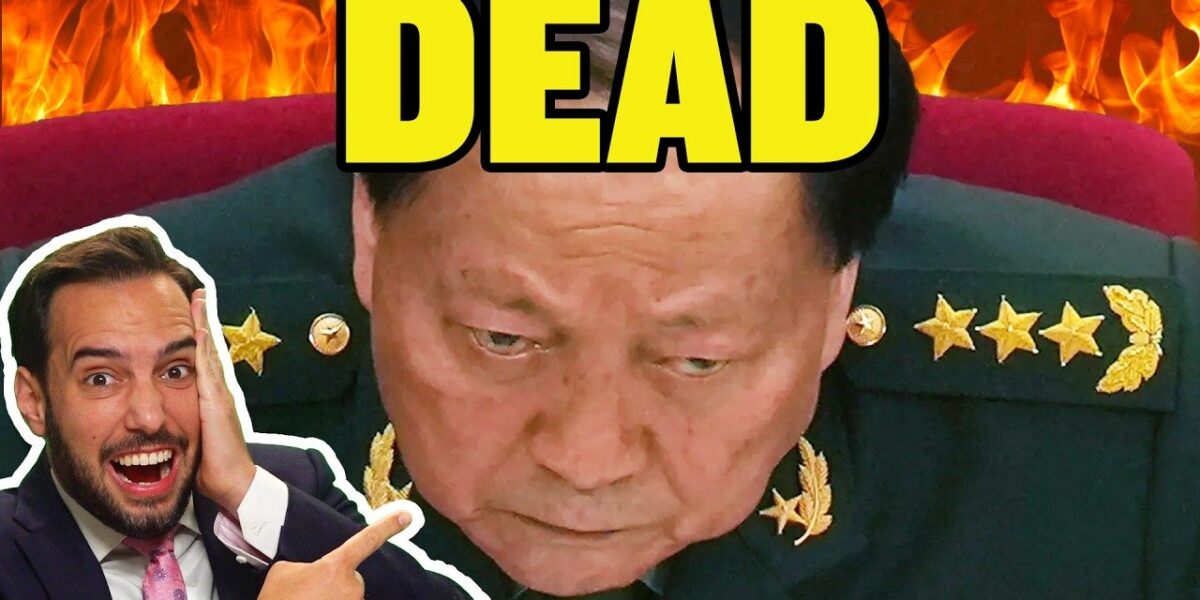
Whispers of Death in the Halls of Power
In the opaque world of Chinese politics, rumors often fill the void left by official silence. Following the dramatic purge of high-ranking military officials General Jang Yoshia and General Leo Jan Lee, the internet has erupted with speculation about the true state of affairs within the Chinese Communist Party (CCP). The narrative that has taken hold is one of ruthless purges, with Xi Jinping allegedly orchestrating a deadly campaign against his political rivals. This latest wave of conjecture, dubbed “General Hostility” by some observers, paints a picture of internal strife and potential bloodshed at the very top of the CCP hierarchy.
A Wave of Unexplained Demises
The recent public announcements from Chinese state-run media have only intensified these rumors. Over the course of January, several high-ranking former CCP officials were reported to have died. Among them were Lieutenant General Wong Jung, former deputy political commissar of the PLA, who died at 64 after medical treatment proved ineffective; former PLA deputy chief of the general staff We Fuin, who died at 88 following a failed medical treatment; and Liao Xi Long, former member of the Central Military Commission (CMC) and chief of the general logistics department, who reportedly died of illness at 85. While the official cause of death for these individuals was attributed to illness or ineffective medical treatment, the sheer number of high-profile deaths within a single month has raised eyebrows.
Adding fuel to the fire are unverified reports circulating on social media, suggesting that the list of deceased officials is far more extensive and sinister. These claims include the alleged deaths of Xi Jinping’s predecessor, Hu Jintao, who was reportedly executed on Xi’s orders at Beijing’s 301st Military Hospital. Further unconfirmed reports point to the deaths of former Chinese Premier Juang Ji and former Chinese Vice President Liuan Chow at the same hospital. There are also allegations that former CMC Vice Chairman Hoe Dong was driven to suicide, and that Jang Shangming, the last remaining member of the CMC, either resigned or committed suicide. These accounts, if true, would paint a grim picture of six top CCP officials meeting untimely ends in just one month, following Jang Yosha’s purge.
The Skeptic’s Stance: Separating Fact from Fiction
While the proliferation of these rumors is undeniable, a critical examination of their origins and veracity is crucial. Many of the more sensational claims, particularly those concerning the deaths of Hu Jintao, Juang Ji, Liuan Chow, and Hoe Dong, stem from unverified social media reports and anonymous sources. The case of Hu Jintao’s alleged death is particularly illustrative; despite claims of his assassination, Chinese state-run media later listed him as having visited someone in the hospital and expressed condolences, a detail that directly contradicts the assassination narrative.
Similarly, claims of Hoe Dong’s suicide rely on unnamed sources. While the CCP has a history of executing informants and state enemies, and individuals under investigation have indeed committed suicide in the past (such as General Jang Yang in 2017, whose death was publicly reported), the current environment within the CCP may make such acts more difficult. As Professor Henry Gao points out, senior CCP officials under investigation are unlikely to be permitted to commit suicide, as their knowledge is considered valuable intelligence for rooting out further enemies. The idea of a senior official committing suicide while under strict party supervision is deemed highly unusual, if not impossible.
However, the narrative is not entirely devoid of potential truth. The purge of General Jang Yoshia, initially met with wild rumors of a coup, was eventually confirmed. Some analysts, like commentator President Louu, who correctly predicted Jang Yoshia’s arrest and refuted coup rumors, suggest that Hoe Dong’s alleged suicide might be the most plausible among the unverified claims, positing that he might have been held in a less tightly controlled environment. Yet, even this remains unconfirmed, and it’s worth noting that Hoe has been the subject of similar death rumors in the past.
The Implausibility of Open Warfare
The more extreme rumors, such as a bloody shooting war in Beijing or military units preparing to seize provinces, are largely unsubstantiated. Experts on internal Chinese politics, like those at Sino Insider, argue that the PLA’s stringent controls over weapons and ammunition, coupled with a highly centralized command structure and dual command system, make large-scale unauthorized military action extremely difficult, if not impossible. Soldiers on duty are typically issued limited ammunition, and grassroots units lack the legal means to acquire live ammunition for offensive operations without explicit CMC authorization. This suggests that Xi Jinping does not need to resort to overt, large-scale violence to maintain control; existing mechanisms of power are sufficient.
Why This Matters
The proliferation of unsubstantiated rumors about purges and violence within the CCP poses a significant risk of misinterpreting the political landscape in China. These narratives can foster false hopes of an imminent CCP collapse or lead to a mischaracterization of internal power struggles, potentially causing a miscalculation of Xi Jinping’s actual strength and control. Critically assessing and verifying information is paramount to understanding the realities of Chinese politics and formulating effective responses to the CCP’s actions on the global stage. Believing that Xi Jinping is weak or that certain purged officials are benevolent figures protecting the world from him is a dangerous oversimplification that could lead to severe strategic errors.
Historical Context and Future Outlook
Throughout its history, the CCP has employed purges and internal power struggles to consolidate authority. From Mao Zedong’s purges during the Cultural Revolution to Deng Xiaoping’s consolidation of power, the party has a long tradition of eliminating perceived threats. Xi Jinping’s anti-corruption campaign, which began shortly after he came to power, has been seen by many as a tool to eliminate political rivals and solidify his own authority. The current wave of rumors, while perhaps exaggerated, taps into this historical precedent and the inherent opacity of the Chinese political system.
The future outlook suggests that Xi Jinping is likely to continue consolidating his power. The lack of transparency within the CCP means that such rumors will likely persist, making objective analysis increasingly challenging. While the idea of a CCP collapse might be appealing, current evidence suggests Xi remains firmly in control. The focus should remain on critically evaluating information, understanding the CCP’s long-term strategies, and preparing to counter its actions, rather than relying on speculative narratives that may obscure the truth. The question of who will be next in line for purges, or what the ultimate consequences of these internal power plays will be, remains a subject of intense speculation, but for now, Xi Jinping’s grip on power appears to be as strong as ever.
Source: The Killings Have Started (YouTube)

Related Articles
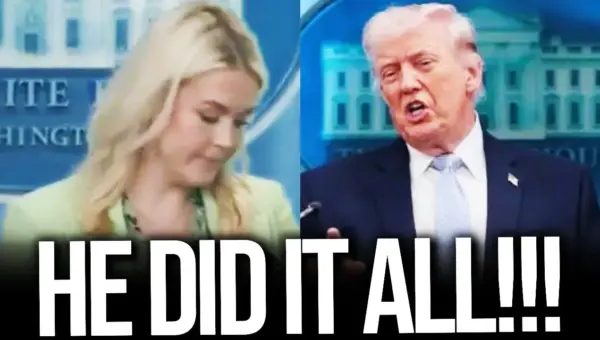
Trump Officials Dodge Key Questions on Economy, Gas Prices
Top Trump administration officials faced tough questions on rising gas prices and economic woes during a press briefing. Critics argue officials dodged key issues, offered vague promises, and deflected criticism by attacking opponents, all while serious economic concerns were met with lighthearted jokes.

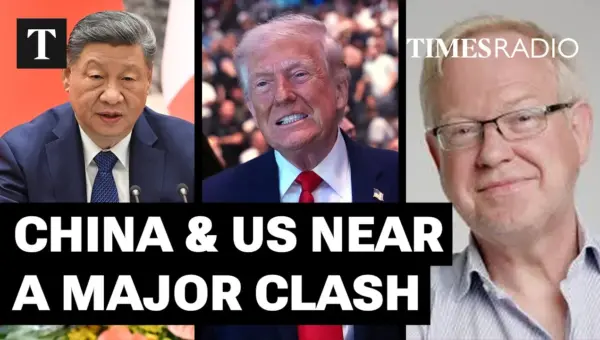
China-US Tensions Flare: Blockade Risk Sparks Superpower War Fears
The U.S. blockade in the Strait of Hormuz has intensified tensions with China, raising fears of a potential superpower conflict. Expert Roger Boyes highlights China's use of a "shadow fleet" and military support for Iran, while President Trump attempts a delicate diplomatic approach ahead of a key meeting with President Xi Jinping.


Trump’s Tax Plan Backfires: Approval Rating Plummets
Donald Trump's approval rating on taxes has fallen 30 points since his first term, reaching a new low of minus 28. This sharp decline, particularly among independent voters who are 58 points underwater, suggests the public does not credit him for tax cuts.