Melania Documentary Producer Blames Politics for Flop
A producer for a Melania Trump documentary has voiced frustration over the film's struggles, blaming political objections for denied music rights from artists like Prince and Guns N' Roses. Mark Beckman cited that musicians' estates refused to associate their work with Donald Trump, despite claims the film was not political.

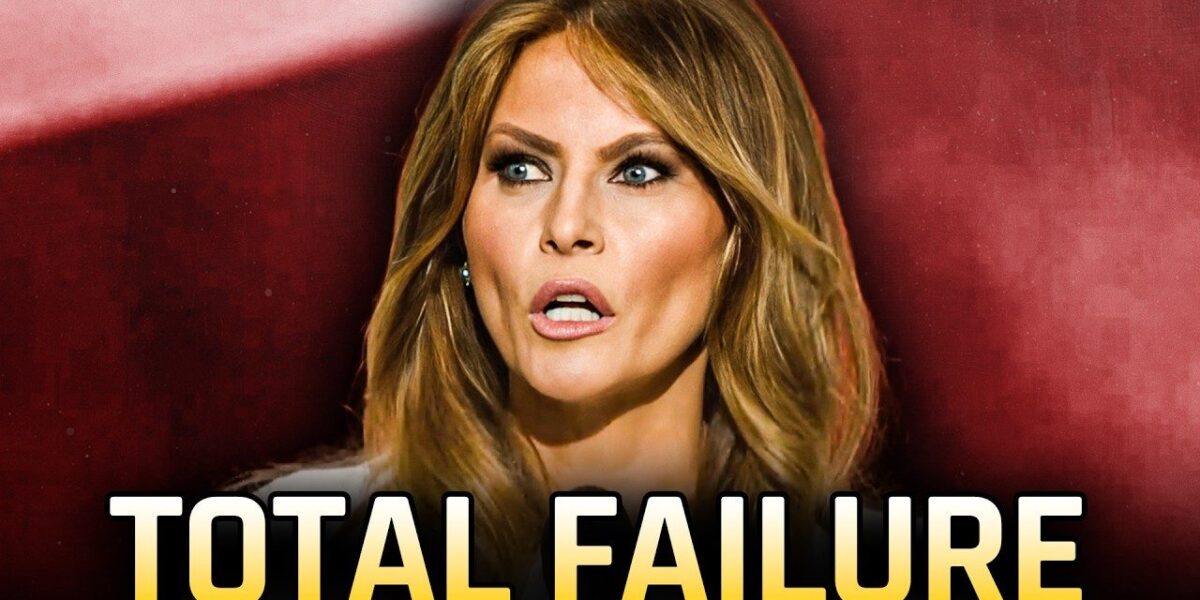
Melania Documentary Producer Blames Politics for Flop
A producer for a recently released documentary centered on former First Lady Melania Trump has publicly expressed frustration over the film’s perceived failure, attributing its lack of success and a significant hurdle in securing music rights to the political climate surrounding the Trump family. Mark Beckman, a longtime advisor to Donald Trump and a producer on the film, revealed in an interview with Variety that several prominent musicians and their estates refused to allow their music to be featured, citing concerns about association with Donald Trump and the perceived political nature of the project.
Key Music Rights Denied
Beckman detailed the challenges encountered in obtaining music clearances, highlighting specific instances with globally recognized artists. The rock band Guns N’ Roses presented a particularly divisive situation. “The guys from Guns and Roses split down the middle politically with one giving permission and the other declining,” Beckman told Variety. “We needed everybody’s approval to get it in the film, so Guns and Roses was definitely a disappointment for us. We all have a lot of respect for Guns and Roses.” The inability to secure the band’s music was a significant setback for the production.
Prince Estate Cites Political Concerns
The estate of the late music icon Prince also denied the use of his songs, with a representative reportedly stating, “Prince would never want to be his song associated with Donald Trump.” Beckman, however, pushed back against this reasoning, arguing that the documentary was intended to focus solely on Melania Trump and was not a political film, despite featuring footage from Donald Trump’s inauguration. “But it’s not a Donald Trump film. He comes into the movie once in a while, but this is all about Melania. It’s not political,” Beckman stated, a claim that has drawn skepticism given the subject matter and the involvement of Trump’s associates.
Grace Jones and Political Hurdles
Similarly, the artist Grace Jones reportedly could not overcome the political objections. Beckman expressed disappointment, noting, “Grace Jones, meanwhile, apparently couldn’t get over the political hurdle, notwithstanding the fact that the film is not a political film. So, that was disappointing, too. It’s disappointing when people put politics so far ahead and that happened a little bit with the film for sure.” This statement underscores a central theme of Beckman’s complaint: the perception that the film was unfairly labeled as political, leading to rejections from artists and their representatives.
Contrasting Permissions Secured
Despite the notable rejections, the documentary did manage to secure music rights from a few popular artists. The estate of Michael Jackson granted permission for the use of his music, as did Tears for Fears and the Rolling Stones. However, Beckman also noted the disappointment regarding the estate of Aretha Franklin, who also declined to have their music featured. The producer’s public airing of these grievances suggests a clear frustration with the artistic community’s perceived politicization of cultural contributions.
Broader Implications and Skepticism
The producer’s comments highlight the complex intersection of art, politics, and celebrity in the current cultural landscape. While Beckman insists the Melania Trump documentary was not political, the subject matter—a former First Lady closely associated with a controversial presidency—and the involvement of Trump loyalists made it difficult for many to view it outside a political lens. The rejections by artists and estates suggest a broader trend of public figures and their representatives carefully managing their brands and legacies, often drawing lines based on political affiliations and perceived values. The documentary, funded by Netflix and produced by individuals closely tied to Donald Trump, appears to have struggled to gain traction, with the music rights issue serving as a prominent example of the challenges it faced.
What’s Next for the Documentary and Its Producer?
The public fallout from these music rights denials and the producer’s subsequent complaints raise questions about the documentary’s future reception and the broader impact on projects associated with political figures. As the film navigates its release and subsequent performance, the narrative surrounding its production and the reasons for its struggles will likely continue to be a point of discussion. The willingness of artists to engage with politically charged content, or to distance themselves from it, remains a significant factor in the cultural and commercial viability of such projects.
Source: Melania Producer WHINES About Total Failure of Documentary (YouTube)

Related Articles
Trump’s $3 Gas Promise Fades as Reality Sets In
President Trump's promise of $3 a gallon gas is facing delays and shifting timelines. As international tensions and market realities set in, the administration is tempering expectations, raising questions about political messaging and economic control.
White House Ignores Crises for Trump’s 80th Birthday Bash
The White House's social media team focused on promoting Donald Trump's 80th birthday party instead of addressing failed US-Iran talks and rising prices. This decision raises questions about the administration's priorities and its use of government platforms.
Melania Trump Champions Foster Youth at Critical Forum
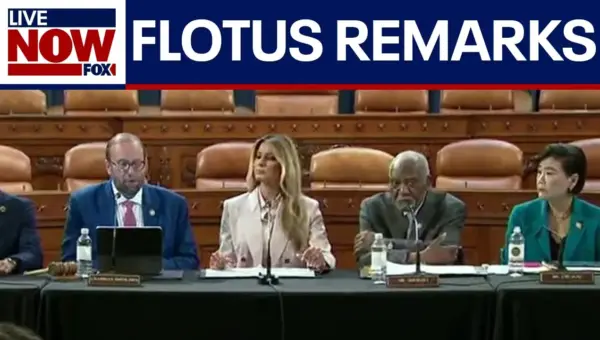
Former First Lady Melania Trump urged lawmakers to enact new legislation supporting foster youth at a recent forum. She highlighted her "Fostering the Future" initiative, which provides university access and career preparation. Trump emphasized the moral obligation to ensure these young people have stable futures.