Thousands Mourn Khamenei, Chant ‘Death to America’ in Iran
Thousands gathered in Yazd, Iran, to mourn Supreme Leader Ayatollah Ali Khamenei following reported U.S. and Israeli strikes. The mourning ceremony was marked by chants of "Death to America," highlighting deep-seated anti-American sentiment amid geopolitical tensions.


Thousands Mourn Khamenei, Chant ‘Death to America’ in Iran
Thousands of government supporters gathered in Yazd, Iran, on Sunday to mourn the death of Supreme Leader Ayatollah Ali Khamenei, who was reportedly killed in strikes attributed to the United States and Israel. The somber gathering, guided by Shiite clerics, was marked by fervent anti-American sentiment, with participants chanting “Death to America.”
Context of the Mourning
The reported death of Ayatollah Ali Khamenei, the highest authority in Iran since 1989, has sent shockwaves through the nation and the international community. The circumstances surrounding his death, attributed to coordinated strikes by the U.S. and Israel, remain a critical point of focus. The gathering in Yazd, a significant city in central Iran, reflects the state-organized response to this pivotal event, aiming to consolidate national grief and reaffirm political loyalty.
Anti-American Sentiment Echoes
The chants of “Death to America” at the mourning ceremony underscore the deeply entrenched animosity between Iran and the United States, a relationship fraught with decades of political tension, sanctions, and proxy conflicts. These public displays of defiance serve as a powerful message, both domestically and internationally, about Iran’s enduring opposition to perceived foreign interference and aggression. The involvement of Shiite clerics in guiding the proceedings highlights the fusion of religious and political authority in Iran, where mourning rituals can also serve as platforms for political expression.
Geopolitical Implications
The death of Ayatollah Khamenei, if confirmed, would represent a seismic shift in Iranian politics and the broader Middle East landscape. Khamenei has been a central figure in shaping Iran’s foreign policy, its nuclear program, and its support for regional militant groups. His absence would inevitably lead to a power vacuum and a period of uncertainty regarding succession and the future direction of the Islamic Republic. The attribution of his death to U.S. and Israeli actions, even if unconfirmed, escalates already high regional tensions and could provoke significant retaliatory measures.
The Role of State-Controlled Media
The reporting of such events, including the mourning ceremonies and the accompanying chants, is heavily influenced by state-controlled media in Iran. These outlets play a crucial role in shaping public perception, framing narratives, and mobilizing support for the government. The description of thousands of “government supporters” mourning Khamenei, and the emphasis on their anti-American slogans, aligns with the state’s efforts to present a unified national front in the face of perceived external threats.
Looking Ahead
The coming days and weeks will be critical in understanding the full ramifications of Ayatollah Khamenei’s reported death. Key developments to watch include official confirmation from Iranian authorities, the process of succession, the international community’s response, and the potential for escalating regional instability. The public reaction and the government’s subsequent actions will be closely scrutinized as Iran navigates this period of profound change.
Source: Thousands of Iranian gov. supporters mourning Khamenei chant 'death to America' (YouTube)

Related Articles


Trump’s Blockade Fails, Allies Shun Mission: A Pattern?
A reported failure of Donald Trump's blockade of the Strait of Hormuz, with ships passing through unimpeded, raises questions about policy effectiveness. This incident, coupled with allies' reluctance to join the mission, suggests a pattern of unintended consequences and strained international relations.


Russia’s War Costs Strain Putin’s Elite Bargain
Russia's prolonged war in Ukraine is straining President Putin's grip on power. Declining oil revenues and escalating military costs are forcing internal power shifts, with intelligence services reportedly gaining influence. This financial pressure is creating significant discontent among the elite and risking broader instability within the Kremlin.

US Halts Iranian Trade: Peace Talks Loom Amidst Global Tensions
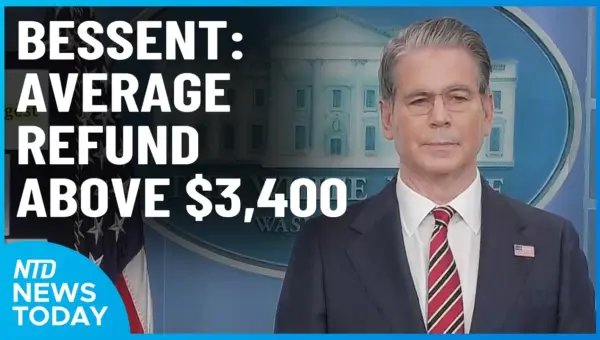
The U.S. has implemented a blockade on Iranian maritime trade, aiming to pressure the nation while simultaneously suggesting peace talks could be imminent. This move occurs alongside complex international relations, including China's involvement and ongoing regional conflicts. Domestically, the administration is highlighting significant tax refunds and economic relief measures for Americans and small businesses.