NASA’s Evolving SLS Rocket Hints at New Upper Stage
NASA's Artemis program may be adopting a new upper stage for its Space Launch System (SLS) rocket, potentially utilizing the commercially available Centaur V. An updated infographic reveals design changes and hints at evolving mission strategies, including advanced lunar lander operations.

NASA’s Evolving SLS Rocket Hints at New Upper Stage
Recent revelations surrounding NASA’s ambitious Artemis program, particularly concerning the Space Launch System (SLS) rocket, have sparked considerable interest and speculation within the aerospace community. An updated infographic, released in conjunction with the announcement of changes to the Artemis mission architecture, has offered a tantalizing glimpse into a potentially redesigned upper stage for the SLS. This visual cue suggests a significant evolution for the rocket that is central to NASA’s lunar ambitions, hinting at a departure from previous plans and a possible adoption of commercially available technology.
A Shifting Silhouette: The SLS Upper Stage Under Scrutiny
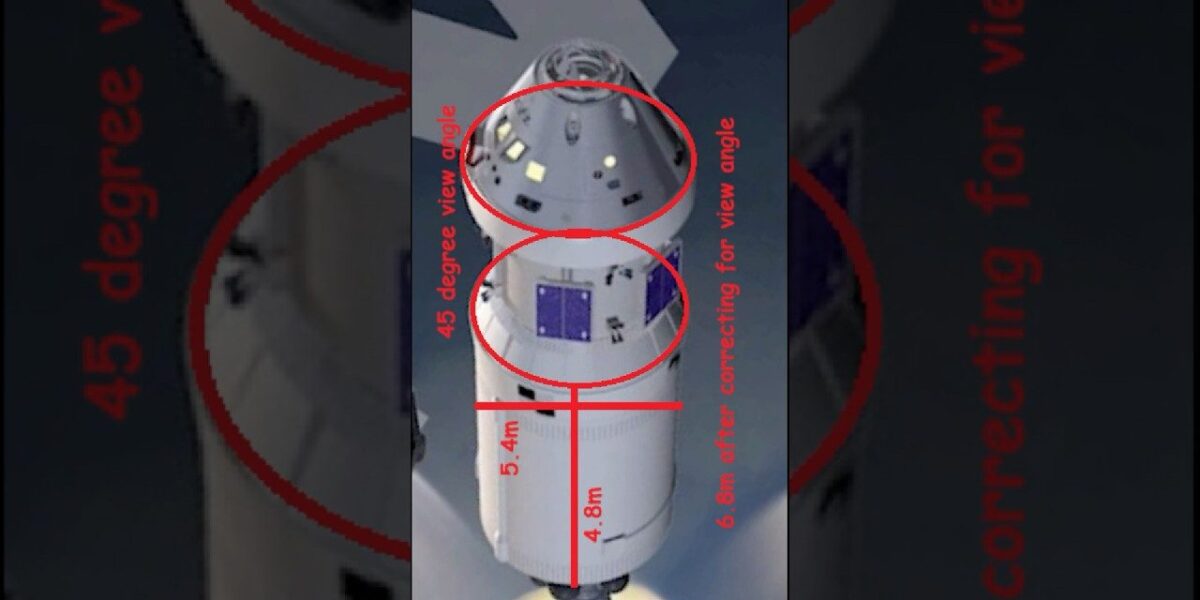
The infographic, when examined closely, reveals a distinct difference in the SLS’s upper stage compared to the current Block 1 configuration. While the standard Block 1 SLS is depicted, a new configuration on the top left shows an upper stage that appears longer, with a more truncated conical section. This visual alteration immediately raises questions about its identity and purpose.
The current SLS Block 1 utilizes the Interim Cryogenic Propulsion Stage (ICPS), which is derived from the Delta IV upper stage. The new infographic, however, presents a different design. Immediately to the right of the mysterious new stage in the infographic, the upper stage of Blue Origin’s New Glenn rocket is shown. While it is not the massive Exploration Upper Stage (EUS) that was slated for future SLS variants, a detailed analysis of the infographic, using the known dimensions of the Orion spacecraft as a reference, suggests the new stage is approximately 28 feet long. This measurement closely aligns with the Centaur V upper stage, currently employed by United Launch Alliance (ULA) on its Vulcan Centaur rocket.
Centaur V: A Potential New Partner for Lunar Missions?
The Centaur V is a powerful and proven upper stage, boasting roughly twice the propellant capacity of the current ICPS. Its potential integration into the SLS program would represent a significant upgrade in performance. Given that both the ICPS and the Centaur V are manufactured by ULA, a company with extensive experience in rocket stage integration, the technical challenges of adapting the Centaur V for the SLS are likely manageable. Furthermore, ULA’s base in Alabama aligns with the political landscape that has historically supported the SLS program, ensuring continued support from key congressional figures.
Beyond the Rocket: Unpacking the Infographic’s Details
The infographic offers more than just clues about the SLS. Observers have noted other intriguing details that shed light on the evolving Artemis mission plans. The depiction of the Orion spacecraft attaching to a docking port on top of the Blue Origin Blue Moon lunar lander, rather than a side docking port on Orion as previously understood, suggests a shift in operational strategy. This top-mounted docking is crucial for the planned refueling operations, where the more fuel-rich Blue Moon lander would need to dock with and potentially maneuver the Orion spacecraft.
A notable omission from the infographic is any mention or depiction of the Gateway lunar outpost. This has fueled speculation about the future of the Gateway, with its absence raising questions about whether it has been de-emphasized or even cancelled. The infographic does include generic representations of space habitats and lunar rovers that bear a strong resemblance to existing designs, indicating a focus on near-term surface operations.
A Glimmer of Hope: Progress on Lunar Landers
Perhaps the most encouraging element within the infographic is the inclusion of a lunar lander from Intuitive Machines that is depicted in an upright, stable position. This seemingly simple detail represents a significant aspiration for NASA, as the successful landing and stable operation of lunar landers have been a persistent challenge. The successful deployment and operation of such landers are critical for delivering scientific payloads and supporting future human missions to the lunar surface.
The Road Ahead: What’s Next for Artemis?
The potential shift to a Centaur V-based upper stage for the SLS, alongside the revised docking procedures and the focus on lander technology, indicates a pragmatic and adaptive approach to the Artemis program. NASA appears to be leveraging existing, robust commercial technologies to enhance the capabilities and efficiency of its lunar missions. The decision to potentially integrate the Centaur V could streamline development, reduce costs, and accelerate the timeline for achieving NASA’s lunar objectives.
This evolving strategy underscores the dynamic nature of deep space exploration. As NASA pushes the boundaries of human and robotic presence beyond Earth, it must remain agile, incorporating new technologies and adapting its plans to overcome challenges. The insights gleaned from this single infographic suggest that the path to the Moon is being paved with innovation, collaboration, and a willingness to embrace new solutions. The coming years will undoubtedly reveal more about these strategic adjustments as NASA continues its journey to establish a sustainable human presence on the lunar surface and beyond.
Historical Context: A Legacy of Evolution
The evolution of the SLS rocket’s upper stage is not unprecedented in the history of spaceflight. Throughout the Apollo program, NASA continually adapted its launch vehicles and spacecraft to meet evolving mission requirements. The Saturn V, the mighty rocket that carried astronauts to the Moon, underwent several modifications during its operational life. Similarly, the Space Shuttle program saw numerous upgrades and changes to its hardware and procedures over its three decades of service. This iterative process of design, testing, and refinement is a hallmark of complex engineering endeavors aimed at pushing the frontiers of human exploration.
The current SLS, with its powerful core stage and ICPS, represents a significant leap in launch capability compared to previous NASA rockets. However, the initial design was based on available technologies and projected mission needs at the time of its conception. As the Artemis program matures and new technologies emerge, it is natural for NASA to re-evaluate and optimize its launch architecture. The potential integration of the Centaur V, a highly efficient and readily available upper stage, exemplifies this adaptive strategy. It reflects a broader trend in space exploration, where collaborations with commercial partners are becoming increasingly vital for achieving ambitious goals.
Looking Towards the Future: Sustainable Lunar Presence
The implications of these potential changes extend far beyond the technical specifications of a rocket. A more capable upper stage for the SLS, coupled with advanced lunar lander technology and refined docking procedures, could significantly enhance NASA’s ability to conduct long-duration lunar missions. The ability to deliver more mass to the lunar surface, coupled with the potential for in-space refueling and more robust surface mobility, lays the groundwork for establishing a sustainable human presence on the Moon. This includes the development of lunar bases, the utilization of in-situ resources, and the expansion of scientific research capabilities.
The inclusion of elements that suggest a more integrated approach to lunar exploration, such as the Blue Moon lander and Orion docking, points towards a future where multiple spacecraft and platforms work in concert. This complex choreography of celestial mechanics and engineering is essential for the success of multi-faceted missions. As NASA continues to refine its Artemis architecture, these adjustments signal a commitment to making lunar exploration more achievable, sustainable, and ultimately, more impactful for humanity’s long-term presence in space.
Source: NASA's New Lunar Plan Revealed A Bit Too Much….. (YouTube)

Related Articles


Mars Rover Detects Mysterious Lightning Signals
NASA's Perseverance rover has detected mysterious crackling sounds, providing the first tantalizing evidence of lightning on Mars. This discovery, along with a faint whistler wave detected by the MAVEN spacecraft, suggests that electrical discharges occur in Martian dust storms, impacting atmospheric chemistry and posing new challenges for future human exploration.


Artemis II: Humanity Reaches for the Moon Again
Artemis II marks humanity's return to lunar exploration, sparking public excitement and practical questions. The mission signifies progress and inspires future generations. It's a crucial step toward deeper space exploration.


Artemis II Rocket Sheds Escape System at Liftoff
Curious objects seen speeding away from the Artemis II rocket at liftoff were part of the Emergency Egress System. This high-tech zipline is designed to rapidly remove astronauts from danger in the event of a launchpad emergency before the rocket commits to flight.