White House In Chaos: Trump’s Team Loses Grip
Recent events reveal significant disarray within the White House, marked by conflicting statements and a perceived loss of control. Simultaneously, concerns mount over immigration policy, the influence of billionaires on media, and the rising costs of war, all while proposed budgets heavily favor military spending over domestic programs.

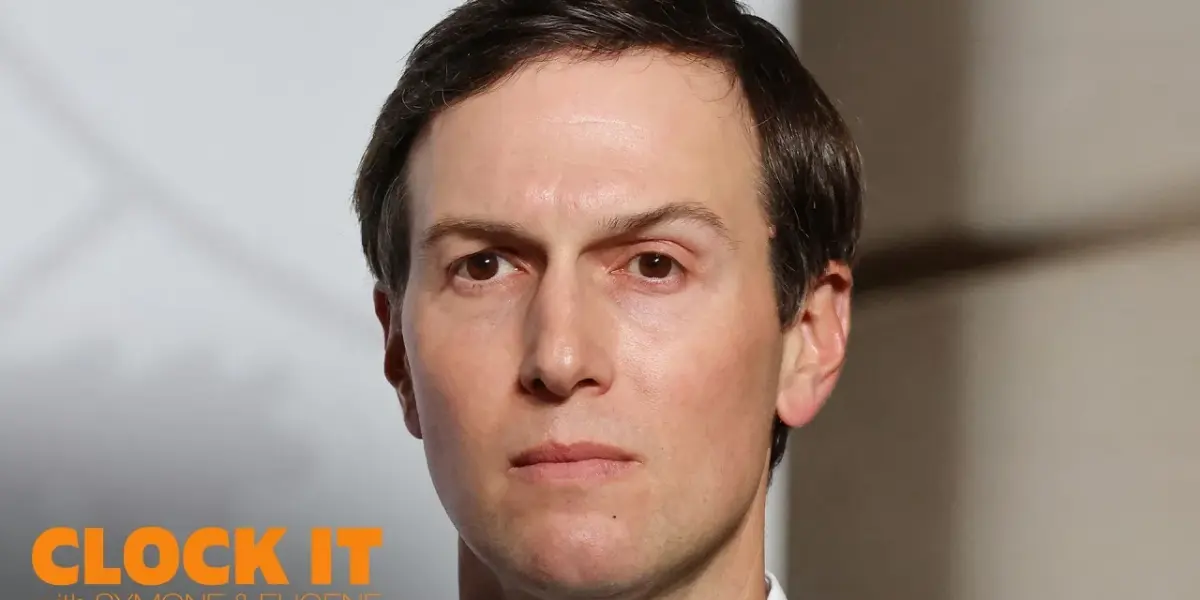
White House Plagued by Confusion and Incompetence
Recent events suggest a significant breakdown in communication and decision-making within the White House, leading to what some are calling “amateur hour.” A prime example occurred when President Trump announced plans to send a team to Pakistan for negotiations to end the war in Iran. However, this announcement was quickly contradicted by administration officials who stated that Vice President Vance would not be attending due to security concerns.
This discrepancy highlights a larger issue of control and clarity. Reporters calling the President directly were able to get him on the phone, but the information he provided was later reframed or directly opposed by other White House sources. This suggests a lack of unified messaging and a potential loss of control over the narrative.
Immigration Policy Under Scrutiny
In El Paso, a woman named Daisy Rivera Ortega is in ICE detention, despite applying for a program designed to protect spouses of active-duty military members from deportation. Her husband, an Army Sergeant with 27 years of service, expressed confusion and distress, stating that Daisy had followed all immigration rules.
This case raises serious questions about the fairness and application of immigration policies. Critics argue that it contradicts the Republican stance of enforcing rules, as Daisy appears to have followed them but is still facing deportation.
Redistricting Battles Erupt in Virginia
Virginia voters recently approved a redistricting effort initiated by the state’s Democratic Party. This move could give Democrats an advantage in four congressional races in the upcoming November elections. Even former President Obama weighed in, urging Virginians to vote “yes” to counter what he called an unfair Republican advantage.
The National Democratic Redistricting Committee, led by Eric Holder, supported this effort. The involvement of figures like Obama and artists such as Pusha T and John Legend highlights the high stakes and political intensity surrounding redistricting battles, often seen as a response to actions taken by previous administrations.
Jared Kushner’s Role and Business Dealings
Questions are being raised about Jared Kushner’s role as a special envoy for peace, particularly given his high security clearance and significant business dealings. Reports indicate that after leaving his White House role, Kushner received substantial investments, reportedly around $2 billion, from Saudi Arabia.
Kushner is now reportedly seeking to raise an additional $5 billion for his investment firm, Affinity Partners. This involvement in Middle East negotiations, coupled with his business interests, raises concerns about potential conflicts of interest and a lack of accountability. Critics point to similarities between Kushner’s activities and those of Hunter Biden, suggesting a double standard in public scrutiny.
Uncertainty Over War Spending
The cost of ongoing military operations is a significant concern, with estimates suggesting it could be as high as $1 billion per day, though some experts believe this figure is low. The lack of clear, up-to-date information from the Pentagon and the White House is creating further unease.
During a Senate testimony, the Director of the Office of Management and Budget, Russell Vought, could not provide a precise figure for the war’s spending, citing daily fluctuations. A public policy expert from the Harvard Kennedy School estimates the cost could reach $2 billion per day and potentially $1 trillion over the next decade. This “war of choice” is drawing criticism for its immense financial burden on American taxpayers, especially when significant cuts are proposed for domestic programs.
Proposed Budget Prioritizes Military Spending
The Trump administration’s proposed budget for 2027 includes a substantial increase in military spending, requesting an additional $445 billion compared to the previous year. This would bring total defense spending to $1.5 trillion.
Conversely, the budget proposes a 10% cut to non-defense spending, impacting crucial programs such as the Low-Income Home Energy Assistance Program, Housing Opportunities for Persons with AIDS, and Food for Peace. The combined cost of these four proposed cuts amounts to $6 billion, a stark contrast to the massive increase in military funding.
Billionaires’ Influence on Media Ownership
A judge recently halted the proposed merger between Nexstar and Tegna, which would have consolidated 265 local TV stations under one company. The judge ruled that the merger was likely to violate antitrust laws, a decision supported by Democratic state attorneys general.
This case highlights concerns about wealthy individuals seeking to control media outlets. President Trump had previously supported the merger, calling it a way to combat “fake news,” but later changed his stance. The consolidation of local news sources into fewer hands raises fears about biased reporting and the manipulation of public opinion, especially since most Americans still rely on local news for information.
Concerns Over Conservative Media Consolidation
The purchase of The Baltimore Sun by the executive chairman of Sinclair Broadcast Group, a conservative-leaning media company, has drawn criticism. Sinclair owns numerous local TV stations, and in past elections, its local anchors have read from scripts that critics describe as promoting a unified, one-sided narrative.
The Baltimore Sun has reportedly been targeting Governor West Moore. Governor Moore, speaking on MSNBC, stated that his integrity is not questioned by the Army or soldiers he served with, implying that right-wing billionaires like David Smith are using their wealth to manipulate local media. This situation is seen by some as a warning sign for media independence across the country.
New Media Ventures Emerge Amidst Consolidation
Amidst these concerns, new media ventures are also emerging. The Washingtonian Star is set to relaunch this June, funded by a grant from philanthropist Robert Albert. The editor-in-chief noted that the relaunch aims to capitalize on job and coverage cuts at The Washington Post, with plans to double the newsroom size.
Robert Albert is described as a “neutral billionaire” who does not interfere with editorial decisions, unlike some others. This contrasts with situations at other media organizations where owners’ preferences reportedly influence coverage. The ownership of major social media platforms and news outlets by a few individuals raises significant questions about the flow of information and its impact on democracy.
Discussion on Black Media and Representation
The article also touches on the decline of Black media outlets, such as Vibe, Honey, Jet, and Ebony. The loss of these platforms is seen as a significant blow to Black visibility and representation in media. These publications once served as crucial spaces for Black journalists, photographers, and creatives to tell their own stories in their own voices.
The conversation emphasizes the importance of these legacy institutions for archiving Black life and providing a platform for perspectives often overlooked by mainstream media. The potential impact of their decline on cultural identity and the ability to respond to societal issues affecting the Black community is a significant concern.
Source: Trump LOST CONTROL of the White House: 'It’s amateur hour at the OK Corral' (YouTube)

Related Articles
AI Threatens Banks, But Trump Sees Huge Upside
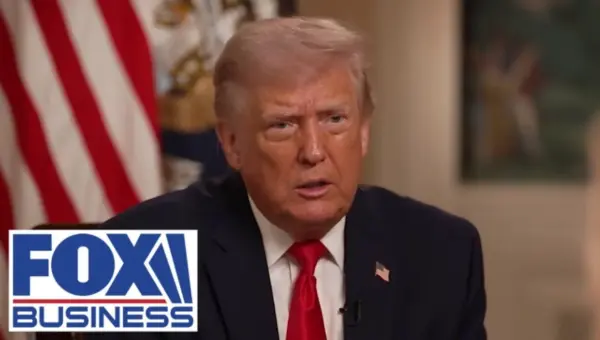
Concerns are mounting over AI's potential to breach bank security, prompting emergency meetings among financial leaders. While acknowledging risks, former President Trump highlighted AI's immense economic potential and capacity to improve banking systems. The technology's dual nature presents both challenges and opportunities for investors.


Trump’s Shadow: Did He Halt Epstein File Release?
New claims suggest Donald Trump actively worked to block the release of Jeffrey Epstein files. Accounts point to direct orders from Trump to his administration, contradicting narratives that blame others like Pam Bondi.

UAE’s Billions to Trump Spark Bailout Outrage
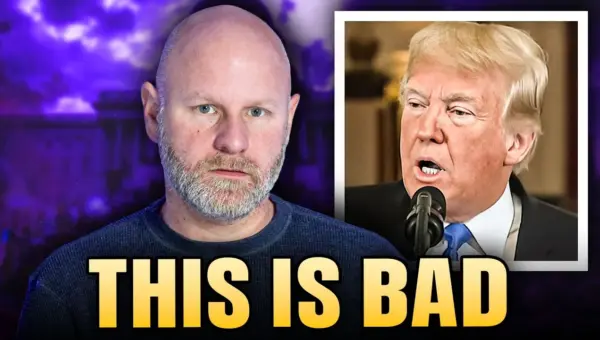
The United Arab Emirates reportedly seeks U.S. financial aid after investing billions in Trump-linked ventures. Critics question why a wealthy nation needs a bailout while Americans face economic hardship, highlighting concerns over money's influence in politics.