Is the American Dream Dying? Tariffs, Trump, and Political Distractions
Americans are growing disillusioned as political distractions overshadow real economic struggles. Tariffs burden small businesses, while foreign policy debates obscure domestic needs like affordable healthcare. The promise of the American dream fades as politicians prioritize blame over solutions.

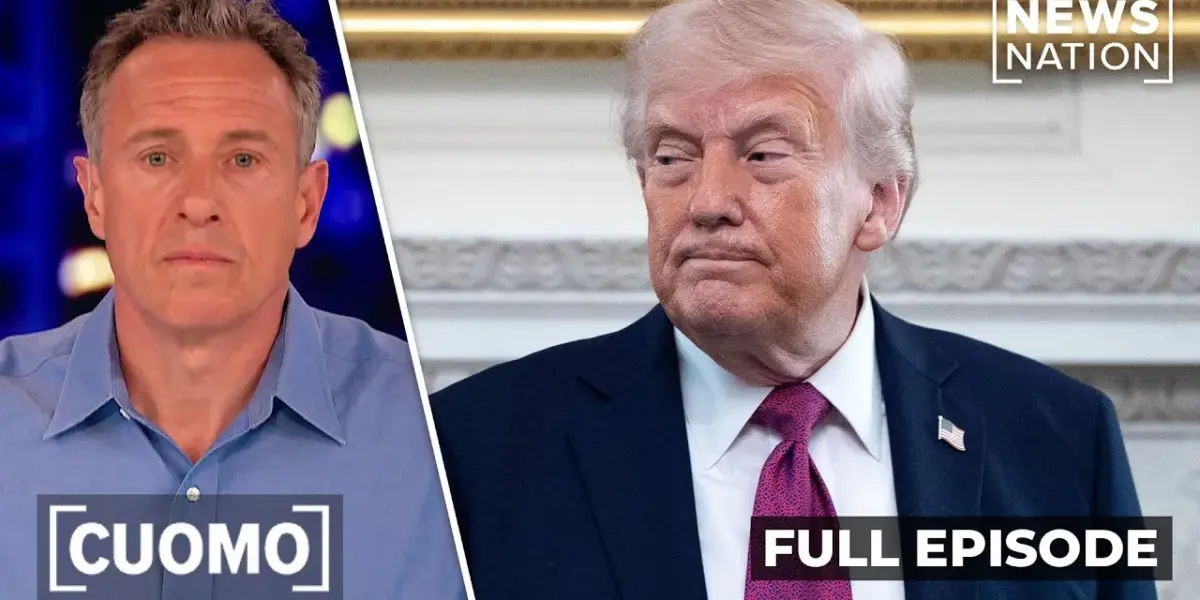
The American Dream Fades Amidst Economic Woes and Political Games
The promise of the American dream feels increasingly out of reach for many. A recent poll shows 60% of Americans believe it’s less attainable than when they were growing up, with only 38% thinking it still exists for everyone. This deepens a sense of unease, a feeling that the nation’s leaders are more focused on political games than on the real struggles of everyday people.
This disconnect is fueled by a political system that seems to prioritize proving the other side wrong over finding solutions. Instead of working together to improve people’s lives, politicians often choose to divide us, making us pick sides based on who is ‘worse.’ This strategy, while easy, leaves real problems like unaffordable healthcare and rising drug costs unaddressed.
Tariffs: A Burden on Small Businesses, Not a Boon
The impact of tariffs, once presented as a way to strengthen American industry, is hitting small businesses hard. Take Beth Bencki, a veteran and entrepreneur behind Busy Baby.
She faced crippling tariffs, forcing her to pay tens of thousands of dollars just to get her products. This meant she couldn’t stock her shelves for months, leading to lost revenue and the near collapse of her business.
The promise of tariff refunds, meant to ease this burden, has proven difficult to access. Beth, like many small business owners, has struggled with a complicated and slow refund system. Three weeks of trying to contact customer service yielded no response, highlighting how the system designed to help can become another obstacle for those with limited resources.
The Iran Conflict: A Complex Situation with Mixed Signals
The situation involving Iran is equally complex, with President Trump’s administration sending mixed signals. While he has expressed concern over potential executions of Iranian women and called for a ceasefire extension, the effectiveness of these communications is questioned.
Keon Tajbach, a former political prisoner in Iran, notes that while Trump’s appeals for human rights are welcome, they are weak and appear to be used as negotiating points. He points out that the Iranian regime is a dangerous one, capable of great cruelty, and that the administration’s messaging has not clearly explained the goals or strategy to the American people.
Political Distractions vs. Real Solutions
Critics argue that issues like the war in Iran, immigration, and tariffs are often used as distractions from pressing domestic economic problems. The focus on these external or complex issues allows politicians to avoid tackling the harder work of improving healthcare affordability, managing the national debt, or ensuring small businesses can thrive.
The current political climate seems designed to keep people focused on who is to blame rather than on what needs to be done. This approach, whether driven by a desire for clicks or political advantage, diverts attention from the core issues affecting the majority of Americans.
Why This Matters
The disconnect between political rhetoric and the lived experiences of Americans is widening. When small business owners like Beth Bencki struggle to get promised refunds, or when families can’t afford healthcare, the American dream feels like a distant memory. The focus on partisan conflict and external crises overshadows the urgent need to address domestic economic stability and social well-being.
Implications and Future Outlook
The trend of political distraction over substantive problem-solving is concerning for the future. If leaders continue to prioritize scoring points over serving constituents, issues like healthcare costs and economic opportunity will only worsen. The growing number of independent voters suggests a public tired of the binary political fight and seeking real solutions.
Senator John Fetterman’s comments highlight the importance of holding elected officials accountable. He emphasizes that laws like the War Powers Act are not suggestions but mandates, requiring clear action and votes from Congress. This points to a potential avenue for change: a more engaged and demanding public that insists on transparency and action from their representatives.
Historical Context
The use of tariffs as a political tool has a long history in the United States, often debated for their impact on consumers and domestic industries. Similarly, foreign policy decisions, especially those involving conflict and complex international relations, have frequently been subject to political maneuvering and public debate.
The current discourse also echoes past periods where economic anxieties and political polarization have led to a focus on external enemies or scapegoats. However, the transcript suggests a growing awareness among the public that these distractions are not serving their best interests.
The Path Forward: Focus on What Matters
The conversation calls for a shift in focus. It’s not about which political figure or party is ‘worse,’ but about demanding that leaders address the core needs of the American people. This includes making healthcare affordable, supporting small businesses, and ensuring the economic system works for everyone, not just the well-connected.
The reality for many Americans is a daily struggle with costs, a feeling of being unheard, and a dwindling hope for a better future. The challenge lies in cutting through the political noise and demanding that our leaders prioritize fixing America first, by focusing on the tangible issues that impact our lives every day.
The next step for voters is to demand accountability and to support candidates and policies that directly address these pressing economic and social challenges. The upcoming actions in Congress regarding foreign policy and domestic economic relief will be crucial indicators of whether this shift in focus is truly beginning.
Source: Iran Executions Ceased, Will Small Biz See Tariff Refunds? Sen John Fetterman | CUOMO Full Show 4/21 (YouTube)

Related Articles
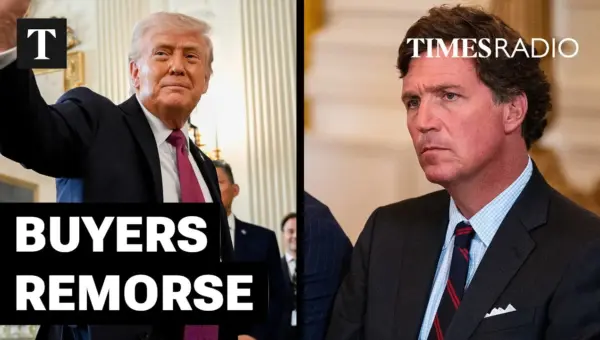
Tucker Carlson Regrets Trump Support Amid Shifting MAGA Alliances
Tucker Carlson has publicly regretted his past support for Donald Trump, signaling potential shifts within the MAGA movement. Meanwhile, the Navy Secretary's recent departure from the Pentagon raises questions about leadership stability amid ongoing international tensions.
Pence: Vance Never Called; Criticizes Trump’s Tariffs
Former Vice President Mike Pence revealed he has never spoken with his successor, Senator J.D. Vance, in an exclusive interview. Pence also criticized former President Trump's use of tariffs, asserting that taxes and imposts must originate in Congress.

Trump’s Iran Talks Stall, Supreme Court Rebuke, and Election Claims
Donald Trump's diplomatic efforts with Iran remain stalled, with the U.S. and Iran trading accusations of hypocrisy and unmet commitments. Meanwhile, Trump faced a Supreme Court rebuke over illegal tariffs, leading to ordered refunds that he allegedly threatened businesses against pursuing. The focus then shifted to Trump's claims of a "rigged" election in Virginia, even as redistricting plans in several states may lead to increased Democratic representation in Congress.