Trump’s Iran Gamble: A Desperate Plea for a Different Path
Former President Trump's attempts to engage Iran are described as a desperate plea, with Iran strategically waiting for political shifts. This standoff has significant implications for global security and U.S. foreign policy. The upcoming elections will be a key moment to watch.

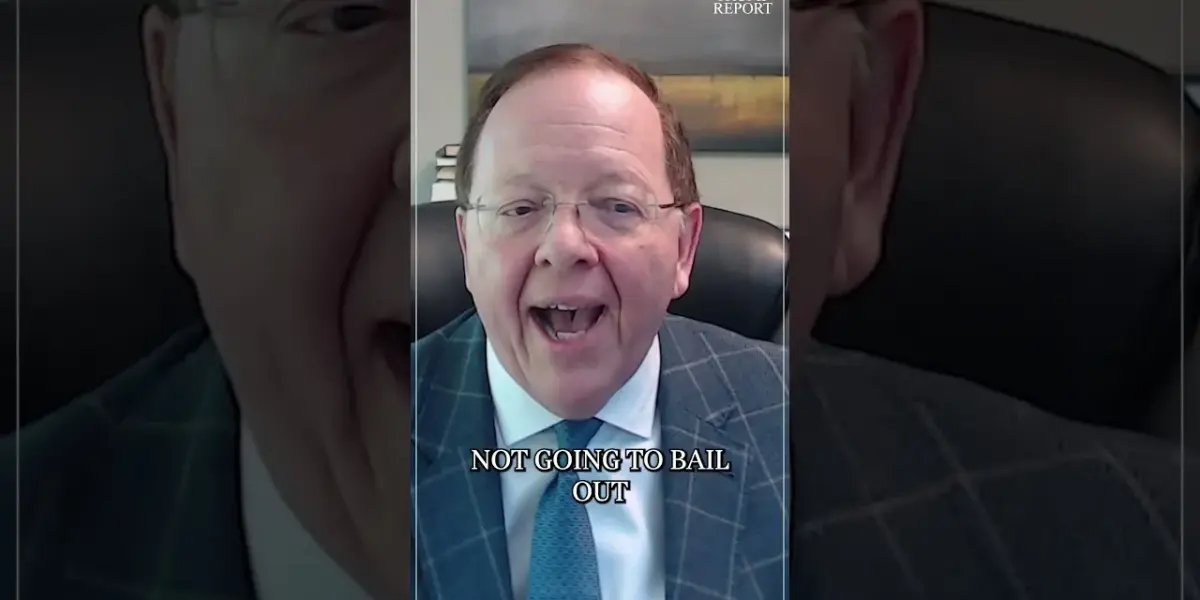
Trump’s Iran Gamble: A Desperate Plea for a Different Path
The United States stands at a crossroads regarding its relationship with Iran. Former President Trump appears to be seeking a third option, a path not currently available. This situation is becoming clearer each day as Trump actively tries to persuade Iran to change its course.
He is, in essence, pleading with Iran to find another way forward. There are even suggestions that Trump might offer concessions if Iran would simply engage positively with him. However, Iran is not cooperating because they have no incentive to rescue Trump’s political standing.
A Deal After the Damage?
Some observers have wondered if Iran might eventually agree to a deal. This could happen after the midterm elections, but only if Trump’s presidency has already suffered significant and irreparable damage. From Iran’s perspective, this timing offers a strategic advantage.
In such a scenario, Iran would have already demonstrated its considerable influence. It would have effectively undermined a United States presidency, placing Iran in a much stronger negotiating position. This approach would allow them to dictate terms from a position of power, rather than being pressured into an unfavorable agreement.
Historical Context: Shifting Alliances
Understanding the current dynamic requires looking back at the complex history between the U.S. and Iran. Following the 1979 revolution, relations between the two countries have been strained, marked by periods of intense hostility and cautious diplomacy. The Iran nuclear deal, officially known as the Joint Comprehensive Plan of Action (JCPOA), was a major diplomatic effort in 2015 to curb Iran’s nuclear program in exchange for sanctions relief.
However, the Trump administration withdrew the U.S. from the JCPOA in 2018, reimposing harsh sanctions. This move was intended to pressure Iran into negotiating a new, broader deal. Instead, it led to increased tensions, with Iran responding by escalating its nuclear activities and engaging in regional proxy conflicts.
The Current Standoff
The current situation suggests that Iran views the U.S. withdrawal from the JCPOA not as an opportunity for renewed talks on Trump’s terms, but as a sign of American unreliability. Iran has seemingly decided to wait out the current political climate, believing that waiting will yield better results for them.
Their strategy appears to be one of patience, allowing U.S. domestic politics to unfold. By observing the outcomes of elections and the stability of administrations, Iran can then assess the most opportune moment to engage, or to continue its current path. This approach maximizes their leverage and minimizes their risk.
Why This Matters
The implications of this standoff are significant for global security and U.S. foreign policy. Trump’s desire for a diplomatic win with Iran, coupled with Iran’s strategic patience, creates a volatile environment. The outcome could influence regional stability, the global energy market, and the future of nuclear non-proliferation efforts.
If Iran successfully uses its influence to undermine a U.S. presidency, it sets a precedent for future international relations. It suggests that smaller nations can exert considerable power by playing a long game and exploiting political divisions within larger powers. This could embolden other nations to adopt similar strategies.
Implications and Future Outlook
The future outlook remains uncertain, hinging on several factors. The success of Iran’s strategy depends on the continued political pressure it can exert and the willingness of the U.S. to engage on terms favorable to Iran. The upcoming elections will play a key role in shaping the U.S. political landscape and, consequently, its foreign policy towards Iran.
Should Trump’s political standing weaken significantly, as hypothesized, Iran might find itself in a position to negotiate from a place of strength. Conversely, a strong showing by Trump or his allies could alter the dynamics, though Iran’s demonstrated patience suggests they are prepared for various outcomes. The ongoing nuclear activities of Iran also remain a critical concern for the international community.
The next critical juncture will likely be the upcoming midterm elections. The results will offer a clearer picture of the political winds in the United States and could signal whether Iran’s waiting game is paying off.
Source: Why is Trump 'begging' Iran to choose another way forward? (YouTube)

Related Articles

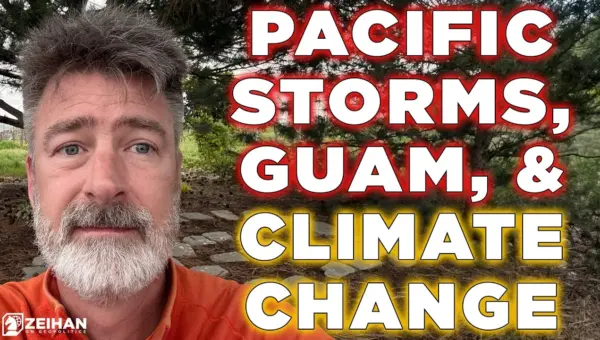
Climate Change Threatens U.S. Military Base in Guam
A recent super typhoon hitting Guam highlights how climate change directly threatens U.S. military readiness in Asia. Guam, a vital American outpost, faces repeated severe weather events that disrupt operations and challenge long-term strategic planning. The lack of alternatives means the U.S. may need to rethink its entire approach to power projection in the region.
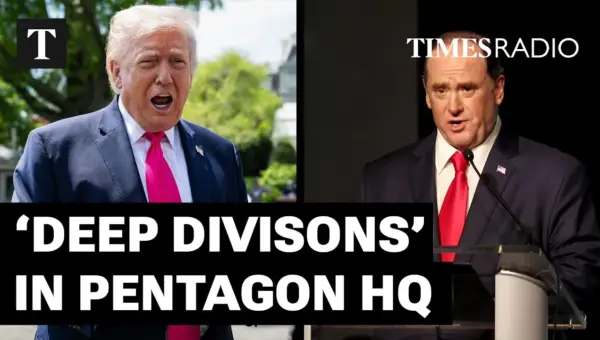
Trump Ousts Navy Chief Amid Deep Cabinet Divisions
Navy Secretary Richard Spencer has reportedly been forced out, signaling deep divisions within the Trump administration over military policy. Tensions with Iran have also escalated, with conflicts in the Strait of Hormuz and U.S. economic pressure. An expert believes Iran's resilience to sanctions makes U.S. strategy unlikely to succeed, predicting a prolonged standoff.

Iran Oil Blockade: Senator Urges ‘Starve’ Strategy
Senator Tommy Tuberville has proposed a stringent strategy against Iran, advocating for a full blockade of its oil exports, which currently generate about $175 million daily. This approach aims to cripple Iran's finances by forcing it to shut down oil wells due to storage limitations.