Trump’s Iran Policy: No Easy Fix, Experts Say
Experts argue that the U.S. approach to Iran assumes solvable problems where none exist, suggesting a need for interim agreements rather than perfect solutions. They emphasize that negotiation, not military action, is key to avoiding worse outcomes. This perspective challenges common assumptions about conflict resolution.

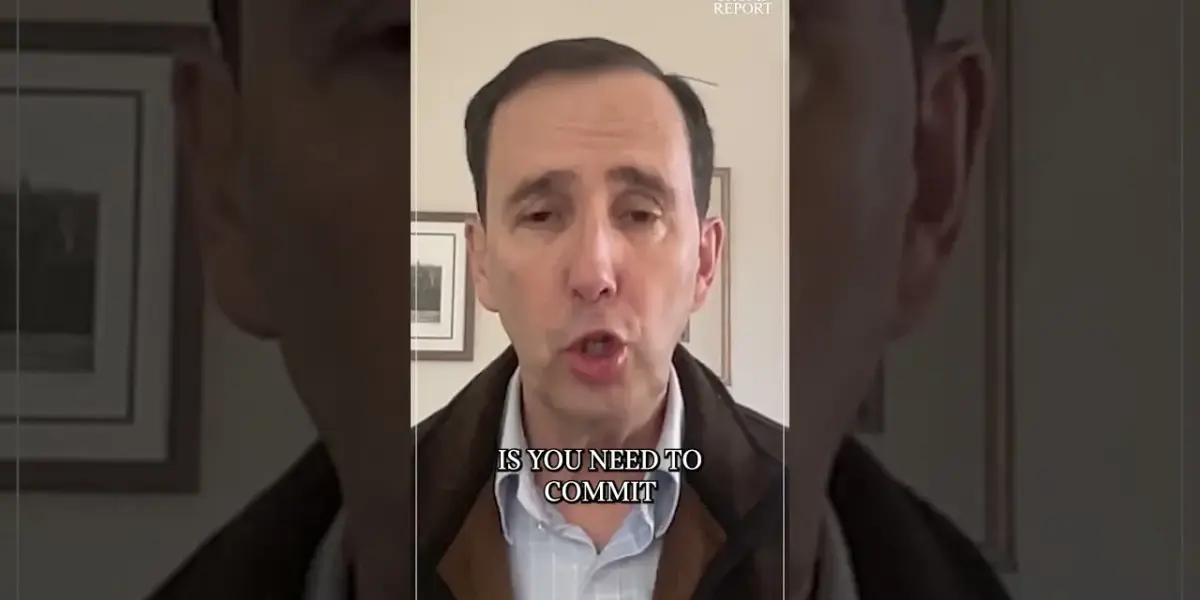
Trump’s Iran Policy: No Easy Fix, Experts Say
Some experts believe that the current approach to Iran by the Trump administration is flawed because it assumes every international issue has a simple answer. They argue that the problem with Iran, particularly concerning its nuclear program and regional influence, doesn’t have a straightforward solution. This viewpoint suggests that past actions have damaged relationships and global economic ties in ways that cannot be easily repaired to their original state.
The core of this argument is that the United States has, in some ways, broken a part of the world and a section of the global economy. This damage is seen as difficult to put back together in the exact way it existed before.
However, even without a perfect solution, there’s still a difference between good and bad results. This means choices made now can lead to better or worse outcomes for everyone involved.
The Need for Negotiation
Advice given to both the U.S. and Iran emphasizes the critical need for both sides to commit to talking. While not everything can be resolved through talks, the idea is that nothing can be resolved without them. This highlights negotiation as a necessary tool, even if it can’t fix every single issue.
A military approach is seen as not providing a solution for either side in the current conflict or tensions. This means that using force is unlikely to solve the underlying problems. Both the U.S. and Iran are advised that war is not the answer, and the consequences of military action are likely to be negative.
Administration’s Stance and Limitations
The current U.S. administration is described as both unwilling and perhaps unable to fully commit to serious and ongoing negotiations. This lack of commitment is seen as a major obstacle, even when aiming for a limited agreement. Without dedicated effort, achieving any progress becomes much harder.
No one expects a new, detailed agreement like the previous Joint Comprehensive Plan of Action (JCPOA) to emerge from current talks. The JCPOA was a lengthy document with many specific details and annexes. The current situation suggests a much simpler outcome is more realistic, if anything is achieved at all.
Finding a Path Forward
To avoid the worst possible outcomes, both sides are urged to set aside their deep feelings of disgust and distrust towards each other. They need to find a way to work together, even if it’s difficult. This requires a willingness to put aside personal feelings for the sake of progress.
The recommendation is to work towards some type of interim, less defined agreement. This kind of deal would be more flexible and less rigid than previous ones. It would serve as a starting point, allowing both sides to move forward from there.
The hope is that by reaching an initial understanding, time can help smooth out the rough edges. This process of letting time pass and working through difficulties is seen as a way to gradually improve the situation. It’s a strategy that relies on patience and ongoing effort.
Why This Matters
This perspective challenges the common American belief that every problem has a neat, solvable answer. It suggests that in complex geopolitical situations, particularly involving Iran, the goal might not be a perfect solution but rather managing the situation to prevent worse outcomes. This requires a shift in expectations and a focus on pragmatic, albeit imperfect, agreements.
Historical Context
The situation with Iran has a long and complicated history, marked by periods of intense tension and attempts at diplomacy. The 2015 JCPOA, for instance, was a major international effort to curb Iran’s nuclear program. Its eventual unraveling and the subsequent U.S. withdrawal under the Trump administration created a new set of challenges.
This withdrawal, and the reimposition of sanctions, significantly impacted Iran’s economy and its relationship with the international community. It also led to Iran reducing its compliance with certain aspects of the JCPOA. The current impasse is a direct result of these ongoing actions and reactions.
Implications and Future Outlook
The implications of not finding a path forward are significant. Continued tension could lead to further escalation in the region, impacting global oil markets and international security. The lack of sustained negotiation means that misunderstandings and miscalculations could have severe consequences.
The future outlook depends heavily on whether both sides can find a way to re-engage in meaningful dialogue. The experts suggest that a pragmatic, step-by-step approach, focusing on de-escalation and interim agreements, might be the most realistic path. This involves accepting that a perfect resolution is unlikely and that managing the situation is the immediate priority.
The upcoming months will be crucial as different administrations and global powers assess their strategies. The focus on avoiding worst-case scenarios, even through imperfect agreements, signals a potential shift towards practical diplomacy over idealistic solutions.
Source: Trump's Iran problem 'doesn't have a solution' (YouTube)

Related Articles


Trump’s Iran Stance: Weakness or Strategy?
Critics argue Donald Trump's approach to foreign policy, particularly regarding Iran, signals weakness due to his business history. This perspective suggests his statements lack authority, potentially emboldening adversaries and damaging America's global standing.
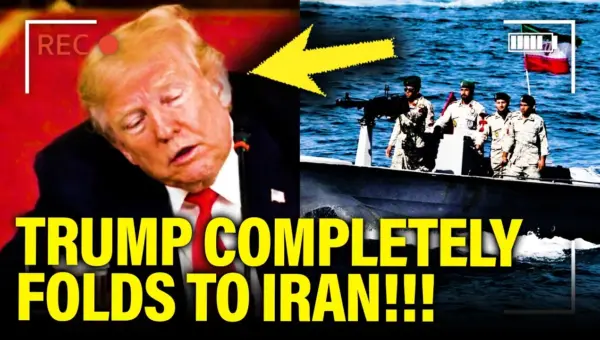
Trump Blinks: Iran Rejects Talks, Forces Ceasefire Extension
Iran has rejected U.S. negotiation offers, viewing the naval blockade as an act of war. President Trump has unilaterally extended a ceasefire deadline, a move Iran states it never requested, leading to a diplomatic stalemate and heightened regional tensions.
Energy Stocks Surge as Geopolitical Tensions Rise
Energy stocks are showing strength as geopolitical tensions rise and key shipping routes face disruption. Companies providing essential services like backup power and natural gas are seeing increased investor interest. Strategists advise focusing on fundamental value and timing investments to navigate market volatility.