Trump’s Iran Stance: Weakness or Strategy?
Critics argue Donald Trump's approach to foreign policy, particularly regarding Iran, signals weakness due to his business history. This perspective suggests his statements lack authority, potentially emboldening adversaries and damaging America's global standing.

Trump’s Iran Stance: Weakness or Strategy?
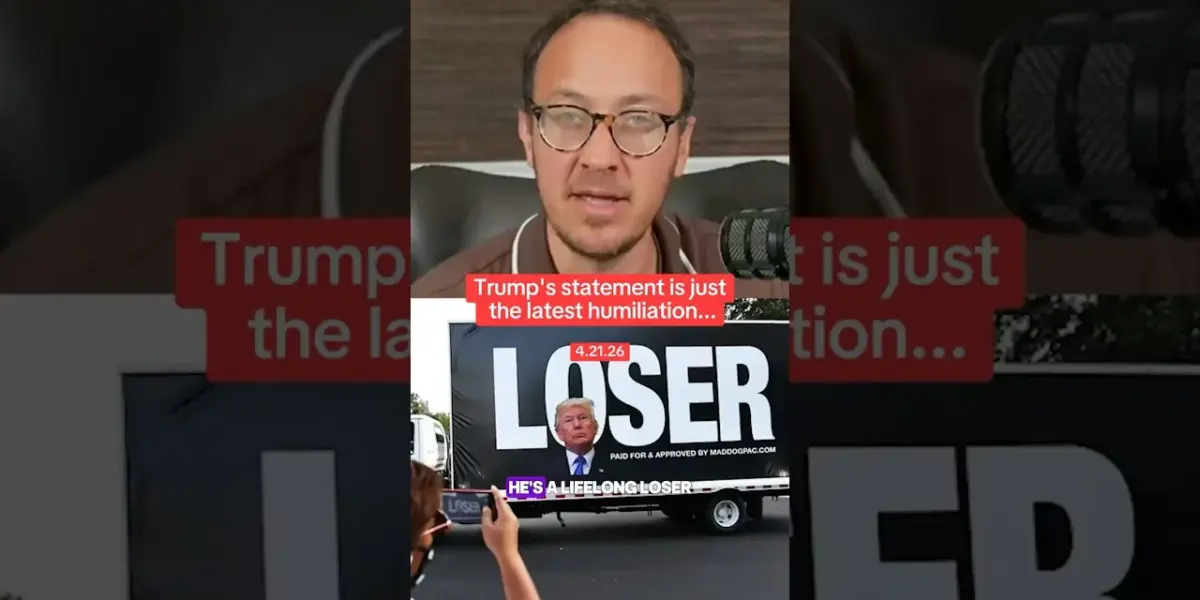
Donald Trump’s approach to foreign policy, particularly concerning Iran, has drawn sharp criticism. Some observers argue that his actions and statements signal a deep-seated weakness, potentially emboldening adversaries. This perspective points to his business dealings and public persona as evidence of a pattern of failure and reliance on external help.
Critics highlight Trump’s past bankruptcies and business failures, suggesting a consistent inability to achieve lasting success on his own. They argue that this history makes his pronouncements on the world stage appear less credible. This view suggests that countries like Iran, observing his behavior, perceive him as predictable and less capable of decisive action.
The ‘Loser’ Label and Its Impact
The repeated use of the term “loser” to describe Trump is central to this critique. It’s not just an insult; it’s presented as an accurate assessment of his track record.
According to this viewpoint, Trump’s history of financial setbacks and business collapses suggests a fundamental flaw in his approach to leadership. This pattern, critics claim, extends to his foreign policy decisions.
When Trump issues statements, especially on sensitive geopolitical matters like Iran, they are seen by some as lacking the gravitas expected of a world leader. The argument is that his past failures and public image undermine the authority his words should carry. This can create a perception of instability, making allies question American resolve and adversaries test its boundaries.
A Shift in American Global Standing?
The transcript suggests a significant shift in how the United States is perceived globally. In the past, American presidential statements carried immense weight, backed by the country’s undeniable power. It was like carrying a “big stick,” where the mere presence of American authority was enough to command respect, without needing constant boasts of strength.
This era, the argument goes, allowed for clear communication and a predictable response from other nations. When the U.S. president spoke, their words had impact because their authority was unquestioned. This projected strength meant they didn’t need to constantly declare their power or threaten destruction; people simply knew America was a force to be reckoned with.
Historical Context: The ‘Big Stick’ Diplomacy
The idea of “carrying a big stick” is a reference to Theodore Roosevelt’s foreign policy approach. It meant speaking softly but having the military might to back up your words.
This strategy aimed to deter conflict through the visible threat of force, rather than through constant aggressive rhetoric. It emphasized diplomacy first, with the understanding that power was readily available if needed.
This historical context highlights a perceived contrast with Trump’s style. While Roosevelt’s approach relied on implied power and diplomatic weight, Trump’s rhetoric is often seen as more direct and confrontational. Critics argue this shift signals a departure from a more nuanced and effective form of global leadership, potentially leading to greater uncertainty and instability.
The Perceived Humiliation
The transcript describes Trump’s statements on Iran as a “humiliation ritual.” This implies that his actions are not just ineffective but actively damaging to America’s standing. The idea is that by appearing weak or indecisive, a leader forces their nation into a position of embarrassment on the world stage.
This perspective suggests that Trump’s approach invites challenges and makes the U.S. appear less capable of protecting its interests or those of its allies. It’s as if the U.S. is being put through a public test it is failing, undermining the respect and influence it once held.
Why This Matters
The way a global superpower communicates and acts directly impacts international relations, economic stability, and security. If adversaries perceive a leader or nation as weak, they may become more aggressive, leading to increased conflict. Conversely, a strong and consistent foreign policy can deter aggression and promote peace.
The perception of American leadership is crucial for maintaining alliances and deterring potential threats. A consistent, clear message from the White House reassures allies and signals resolve to rivals. Any perceived wavering or weakness can create dangerous miscalculations on the global stage.
Implications and Future Outlook
This critical view suggests that a leader’s personal history and public image can significantly influence foreign policy outcomes. If Trump’s past is seen as a predictor of his future actions, then his approach to Iran and other global challenges could continue to be characterized by perceived weakness. This might encourage other nations to test American resolve further.
Looking ahead, how the U.S. projects power and communicates with the world remains a key question. The debate over Trump’s specific approach highlights a broader discussion about the nature of American strength and leadership in the 21st century. The effectiveness of direct confrontation versus implied power, and the impact of personal reputation on national policy, will continue to be scrutinized.
The next major foreign policy statement or action concerning Iran will offer further insight into the ongoing dynamics. Observers will be watching closely to see how these interactions shape regional stability and America’s role in global affairs.
Source: 'HE'S A LOSER': Ben RIPS TRUMP Over Latest Iran War Humiliation (YouTube)

Related Articles
Trump Blinks: Iran Rejects Talks, Forces Ceasefire Extension
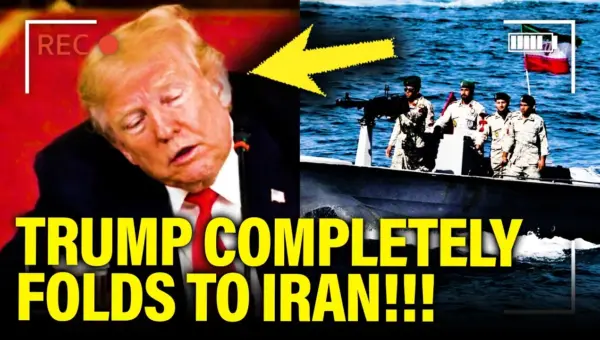
Iran has rejected U.S. negotiation offers, viewing the naval blockade as an act of war. President Trump has unilaterally extended a ceasefire deadline, a move Iran states it never requested, leading to a diplomatic stalemate and heightened regional tensions.
Energy Stocks Surge as Geopolitical Tensions Rise
Energy stocks are showing strength as geopolitical tensions rise and key shipping routes face disruption. Companies providing essential services like backup power and natural gas are seeing increased investor interest. Strategists advise focusing on fundamental value and timing investments to navigate market volatility.

Trump’s Cabinet: A ‘Wimp’ Problem or a Mirror?
A report suggests Donald Trump feels his cabinet members lack 'manliness.' This focus on outward toughness may overshadow actual competence and effective governance. The discussion highlights evolving expectations for leadership beyond traditional notions of strength.