Nicolle Wallace Doubts Tucker Carlson’s Trump Apology
Nicolle Wallace expressed deep skepticism over Tucker Carlson's apparent regret for supporting Donald Trump. Analysts suggest Carlson's critique stems from Trump's perceived weakness, not moral objection, and aims to steer his base toward more extreme ideologies. The discussion contrasted this with Joe Rogan's advocacy for psychedelics, highlighting concerns about persuasive demagoguery.

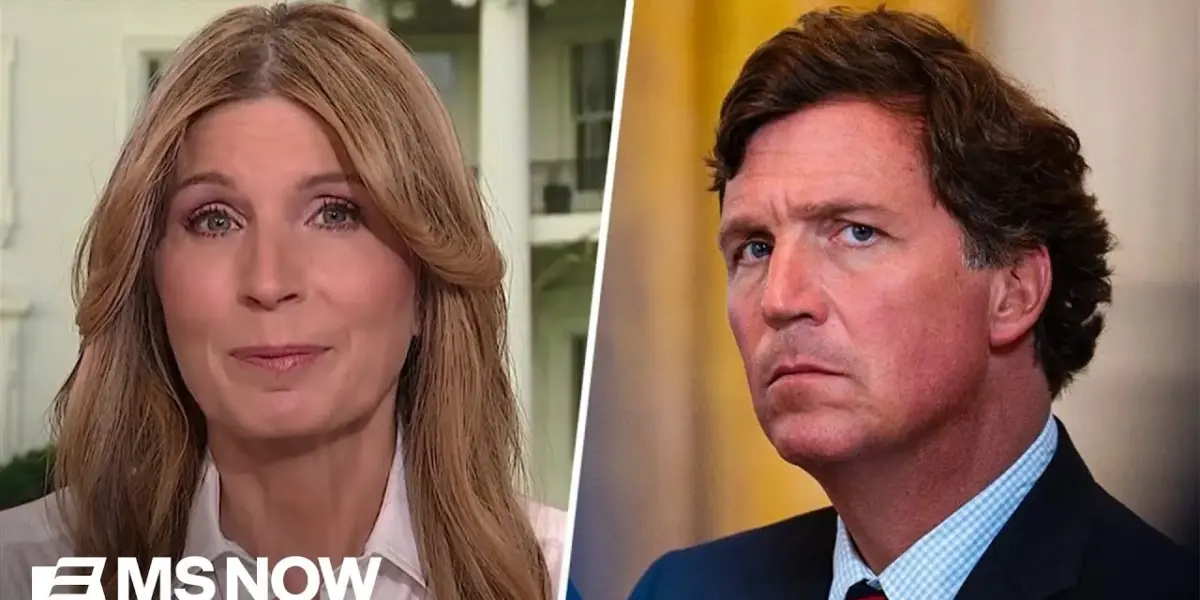
Wallace Questions Carlson’s Sincerity on Trump Regret
Media personality Nicolle Wallace expressed strong skepticism regarding Tucker Carlson’s recent apparent apology for his past support of Donald Trump. Carlson, a prominent conservative commentator, suggested he regretted his role in helping Trump get elected three times. However, Wallace, speaking on her show, dismissed Carlson’s remarks as insincere, questioning what new information he could have possibly gained.
Wallace pointed out that many of Trump’s controversial actions, including accusations of sexual assault and the January 6th Capitol riot, were public knowledge long before Carlson’s alleged change of heart. “So I don’t buy it. I don’t believe you, Tucker,” Wallace stated, suggesting Carlson was projecting a new persona for viewers who continue to follow him.
Experts Analyze Shifting Right-Wing Sentiment
The discussion extended to Angelo Carusone, president of Media Matters for America, and Molly Jong-Fast, a political analyst and host of Fast Politics. They explored the broader implications of this perceived buyer’s remorse within the right-wing media sphere. Carusone suggested that while remorse might be present, the underlying reasons are unsettling.
Carusone noted that the critiques from figures like Carlson and Buckley are not about Trump being unreasonable, but rather about him being perceived as weak. He cited their disappointment that Trump did not act more aggressively after the George Floyd riots or use his power more forcefully to overturn the 2020 election results. They also criticized him for not defending the January 6th rioters sufficiently.
Critiques Focus on Trump’s Perceived Weakness, Not Policy
According to Carusone, the core grievance is not that Trump pursued foreign wars, but that he did not focus enough energy on domestic issues like targeting immigrants and political opponents. This perspective, he argued, represents a desire to steer Trump’s base in a more extreme direction post-Trump, which he described as a scary prospect.
Carusone differentiated this from other right-wing factions, like the manosphere, who may simply want to avoid new wars without necessarily advocating for full-blown fascism. He believes Carlson and his allies are offering a glimpse into their future agenda, suggesting their remorse is coupled with a dangerous ambition.
Joe Rogan’s Psychedelic Advocacy Contrasted with Carlson’s Politics
The conversation also touched upon Joe Rogan’s recent appearance at the White House, where he discussed psychedelic drug regulations for treating mental health issues. John Stewart’s satirical take on Trump potentially using psychedelics was shared, highlighting concerns about his temperament.
Wallace and her guests distinguished Rogan’s actions from Carlson’s. While Rogan faces criticism, Wallace believes he genuinely supports the healing potential of psychedelics and uses his influence for good. She suggested that nudging Rogan away from Trump is a worthwhile effort, even if a complete break is unlikely.
Carlson Accused of Malice and Deception
In contrast, Carlson’s motives were described as malicious. Wallace emphasized that Carlson, despite his convincing delivery, is a known liar. Evidence from his private communications revealed he considered Trump a “demonic force,” suggesting his current public stance is a calculated performance.
She compared Carlson’s tactics to those of Father Coughlin, a controversial radio priest from the 1930s, calling his approach “pernicious” and aimed at promoting harmful ideologies. Wallace urged the public to be wary of right-wing figures who appear to be criticizing Trump, especially if they still share Carlson’s content.
Public Urged to Resist Persuasive Demagoguery
Wallace issued a public service announcement, warning viewers against amplifying Carlson’s message, even when he seems to agree on specific issues like the Iran war. She stressed that his compelling nature as a demagogue makes him dangerous when his content reaches susceptible audiences.
She highlighted that simply agreeing with Carlson on a single issue does not negate the risks associated with promoting his platform. Sharing his clips, even with good intentions, plays into his hands and spreads his influence to those who might be easily persuaded by his rhetoric.
Looking Ahead: Continued Scrutiny of Right-Wing Media
The discussion highlights a growing scrutiny of influential figures within right-wing media and their evolving relationship with Donald Trump. As fault lines appear and shift within this political ecosystem, observers will continue to monitor the sincerity of expressed regrets and the underlying agendas driving these public narratives. The focus remains on how these figures attempt to shape public opinion and influence the future direction of conservative politics.
Source: 'I don't buy it': Nicolle reacts to Tucker Carlson's apology for helping to re-elect Trump (YouTube)

Related Articles

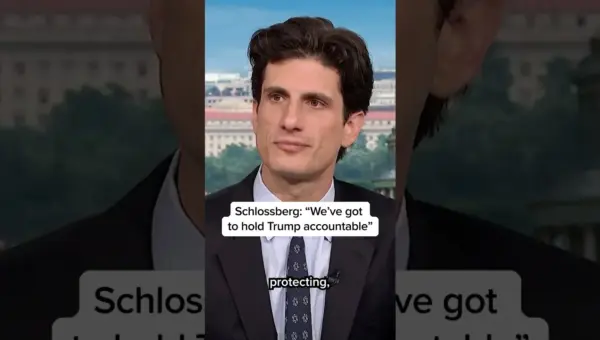
JFK’s Grandson Demands Trump Accountability, Urges Voter Focus
JFK's grandson and Democratic candidate Jack Schlossberg is calling for former President Donald Trump to be held accountable for alleged crimes. He also urges Democrats to focus on voter concerns like affordability to improve their electoral prospects. Schlossberg believes a dual approach is vital for both justice and political success.
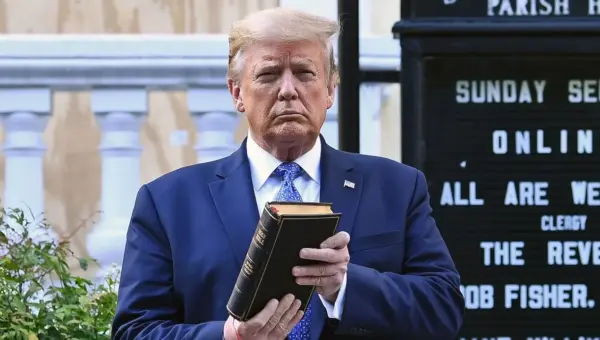
Trump Reads Bible: A Political Stage for Faith
Former President Donald Trump's participation in 'America Reads the Bible' highlights the intersection of faith and politics. The event featured readings from the book of Kings, focusing on King Solomon's story. This practice of using religious texts in public life is a long-standing tradition with varied interpretations and implications.
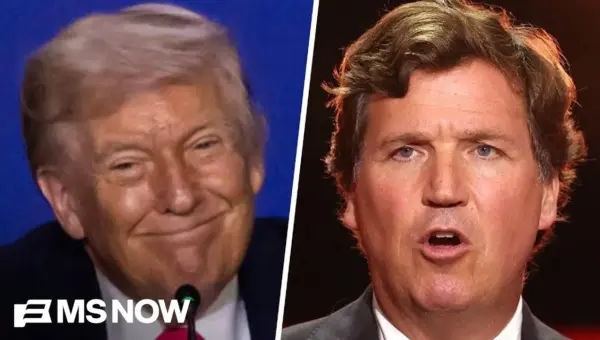
Tucker Carlson Hints at Regret, Fuels 2028 Presidential Run Speculation
Media personality Tucker Carlson has recently voiced regret over his past support for Donald Trump, sparking speculation about his motives and future political aspirations. Analysts are considering theories ranging from audience shifts to a calculated strategy for a potential 2028 presidential run.