Iran’s Strait of Hormuz Threat: A Global Economic Trigger?
Iran holds a powerful 'trump card' with its control over the Strait of Hormuz, a vital global oil shipping lane. Threatening to close this waterway could trigger a global economic collapse, giving Iran significant leverage. This situation highlights the world's economic vulnerability.

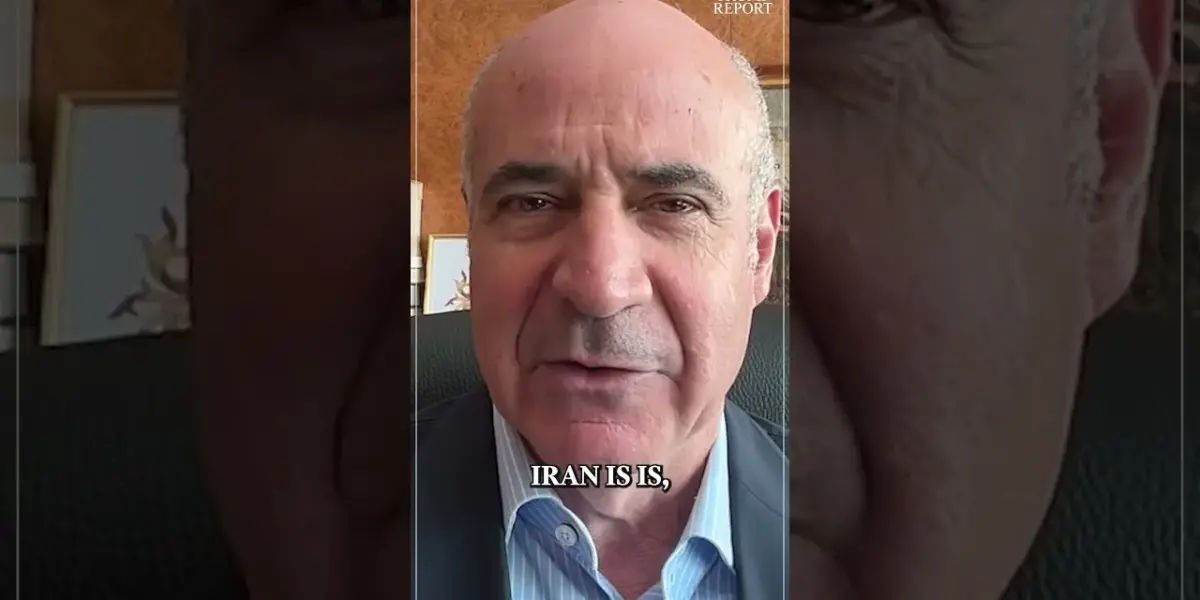
Iran’s Strait of Hormuz Threat: A Global Economic Trigger?
The global economy is a complex machine, and disruptions in one part can send ripples everywhere. A key choke point for oil and gas, the Strait of Hormuz, is at the center of a discussion about Iran’s potential to cause major economic damage.
This narrow waterway is crucial for transporting roughly 30% of the world’s seaborne oil. Iran’s ability to control this strait gives it a powerful, some might say a ‘trump card,’ in international affairs.
Some observers wonder if Iran is watching how other global powers handle negotiations and conflicts. They might see past attempts at diplomacy, like those between the U.S. and Russia, as a guide.
The idea is that Iran could prolong conflicts to inflict economic pain, making rivals look weak. However, others believe Iran’s strategic decisions are less about these external models and more about its own core interests and capabilities.
A Single, Powerful Asset
Iran’s regional power might seem limited in many ways. However, it possesses one significant asset: control over the Strait of Hormuz.
This waterway is not just a shipping lane; it’s a critical artery for global energy supplies. By threatening to close this strait, Iran can significantly disrupt the world’s energy markets and, by extension, the global economy.
This single point of leverage is what makes Iran’s position so noteworthy. While other regional powers might have broader military or economic influence, Iran’s ability to bring the global economy to its knees rests on this narrow stretch of water. It’s a concentrated form of power that can’t be easily ignored or countered by conventional means.
The Hormuz Card: A High-Stakes Gamble
The core of Iran’s strategy appears to be playing this single, powerful card. If Iran were to successfully block the Strait of Hormuz for an extended period, say six months, the consequences could be severe.
Global oil prices would skyrocket, leading to widespread inflation and a potential economic collapse. This is not a minor inconvenience; it’s a scenario that could trigger a global recession.
This potential for disruption is Iran’s main leverage. While Iran might seek military intelligence or support from allies like Russia, its ultimate bargaining chip is its ability to shut down a vital global trade route. This strategy is being played out aggressively, with significant implications for international stability and economic well-being.
Why This Matters
The Strait of Hormuz is more than just a geographical point; it’s a symbol of global economic vulnerability. Iran’s strategic position there means that its actions, or even its threats, can have immediate and far-reaching consequences. This situation highlights how a single nation, even one facing international pressure, can wield significant influence over the entire global system.
Understanding this dynamic is crucial for policymakers, businesses, and individuals alike. It highlights the interconnectedness of global politics and economics.
Disruptions in one region can quickly translate into higher prices at the pump, increased costs for goods, and broader economic instability worldwide. The stability of this waterway is directly linked to global prosperity.
Historical Context and Future Outlook
The importance of the Strait of Hormuz has been recognized for decades. Throughout history, control of vital trade routes has been a source of power and conflict. Iran’s current stance is part of a long tradition of nations using strategic geography to their advantage.
The future outlook remains uncertain. Iran’s willingness to play its ‘trump card’ depends on its own internal calculations and the external pressures it faces.
However, the potential for economic disruption remains a constant factor. As long as the Strait of Hormuz is a critical chokepoint, it will remain a potential flashpoint with global economic implications.
The world watches closely, aware that a decision by Iran could have immediate and profound effects on global markets. The next few months will likely show how Iran intends to play its hand, and how the international community responds to this significant economic threat.
Source: Does Iran hold the ‘trump card’ that could collapse the global economy? (YouTube)

Related Articles

Iran Blinks: Trump Extends Ceasefire Amidst Tense Standoff
President Trump has extended the ceasefire with Iran, despite Iran's refusal to attend peace talks. This decision follows earlier threats of military action and displays of U.S. military readiness, raising questions about America's negotiating strength.

Trump’s Iran Strategy Falters Amid Strait of Hormuz Crisis
President Trump's strategy for dealing with Iran is under scrutiny as tensions rise over the Strait of Hormuz. Despite U.S. military actions, Iran appears to maintain significant leverage, controlling a vital global oil route. Mixed messages from the White House and a hardline new Iranian leadership add complexity to the ongoing diplomatic efforts.

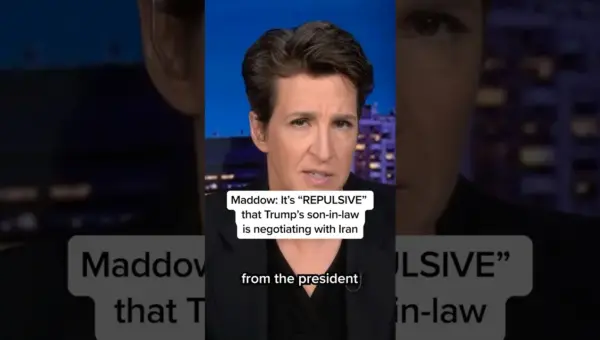
Kushner’s Iran Talks Draw ‘Repulsive’ Criticism
Rachel Maddow of MSNBC has voiced strong disapproval of Jared Kushner's reported involvement in negotiating with Iran. She described the situation as 'repulsive,' citing concerns over Kushner's business interests and lack of traditional diplomatic experience. This raises questions about potential conflicts of interest and the effectiveness of such sensitive talks.