Influencer Exposes Congressman’s Abuse of Power
Influencer Ariel Foder, known as Mrs. Frazzled, exposed Congressman Eric Swalwell's alleged misconduct after years of rumors. Her actions, alongside other influencers, highlight a culture of abuse in Washington and the power of trusted online voices to drive accountability when traditional media and political parties fail.


Influencer Exposes Congressman’s Abuse of Power
A disturbing pattern of abuse by powerful men in government is coming to light, thanks to the bravery of online influencers. This issue is much larger than one person; it points to a culture in Washington where staffers, interns, and colleagues are allegedly mistreated. This behavior, often known within political circles, is reportedly used for blackmail or political attacks.
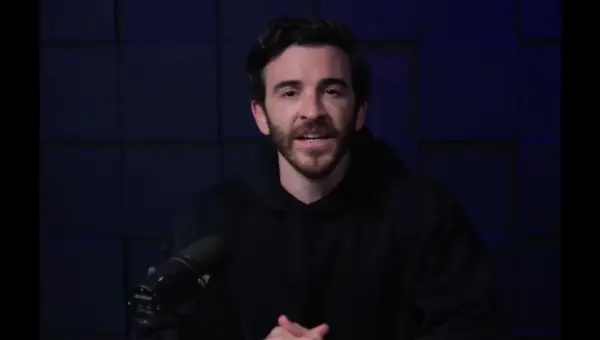
The conversation comes from PoliticsGirl host Lee McGowan, who discusses recent events that highlight attacks on women and their rights. She points to the “Rape Academy” videos, the ongoing Epstein files, and the downfall of California gubernatorial candidate Eric Swalwell. These events suggest a daily assault on women’s perceptions and protections by powerful men.
The Swalwell Scandal Unfolds
Eric Swalwell, once a leading Democratic candidate for California governor, withdrew from the race after over 30 women accused him of sexual misconduct and rape. This situation is particularly significant given California’s status as the largest blue state and its influence on national politics.
Swalwell’s campaign initially partnered with online creators, including educational influencer Ariel Foder, known as Mrs. Frazzled. Foder, who simplifies complex educational and political topics for her audience, agreed to an interview. However, shortly after agreeing, she received alarming messages from friends warning her about Swalwell’s alleged behavior, including sleeping with interns and sending inappropriate messages.
From Education Advocate to Whistleblower
Foder, a former teacher turned education advocate, gained popularity for her humorous and informative content that critiqued political leaders. Her style blends research, analysis, and honesty, making policy impacts relatable to families.
Initially surprised by the warnings, Foder began asking around and talking to staffers on Capitol Hill. She noticed a pattern: conversations would move to Snapchat, where messages disappear, making inappropriate exchanges easier. This detail emerged repeatedly as women shared their stories over several years.
Patterns of Abuse and Abuse of Power
The stories Foder heard evolved from allegations of sleeping with interns and staff, seen as an abuse of power, to creepy or worse encounters when women sought political help or advancement. This escalation deeply concerned Foder, who worried about the potential for this behavior to worsen.
She questioned whether these allegations would surface as political opposition research. While some suggested it might, there was no certainty, especially as Swalwell had been aware of scrutiny during his past presidential run and the #MeToo movement. Foder felt the weight of this knowledge, especially knowing that many people might have been aware for years.
Collaboration and Public Exposure
Foder eventually escalated her online posts, naming Swalwell on platforms like Threads to gauge public reaction and seek support. While reporters and lawyers showed interest, traditional media investigations didn’t immediately materialize. The situation changed when Foder connected with another influencer, Cheyenne Hunt, a lawyer who also planned to post about Swalwell.
The collaboration between Foder, Hunt, and a third individual named Annika was crucial. Foder described it as three women in a group chat determined to expose the truth, feeling empowered to finally share what they knew. This collective effort brought the allegations to a wider public attention.
The Role of Trust and Independent Media
The host emphasized that Foder and Hunt took significant personal and career risks to break this story, doing so for free when traditional media and political parties had not. This highlights a growing trend where independent creators with trusted audiences can achieve what established institutions might not.
Foder explained that her background outside of traditional politics allowed her a certain freedom to speak out. She believed in the truth of the women’s accounts and felt compelled to share them, even taking out an umbrella insurance policy for protection. She stated she would post the information if it wasn’t picked up by the media, believing the situation was too egregious to ignore.
Counter-Narratives and Public Skepticism
Swalwell’s team reportedly claimed the allegations were false and part of a paid political operation, even mentioning figures like Roger Stone. This tactic aimed to discredit the accusers and question the timing of the revelations, suggesting a political motive rather than factual reporting.
The host noted that these accusations were not new but had been circulating for years. The issue is that people are only now paying attention. Foder and Hunt’s actions were not a calculated political move but a response to overwhelming information and a personal inability to remain silent.
Why This Matters
The “open secret” nature of Swalwell’s alleged behavior is deeply frustrating. While many claim they knew about harassment or sleeping with interns, this lesser behavior should have been addressed to prevent escalation. The failure to act on these earlier signs allowed potential predators to continue their actions unchecked.
This situation highlights a broader cultural problem where sexual violence and abuse seem pervasive. The host draws a parallel to the Trump era, suggesting it revealed a deep-seated degeneracy that had always existed. This raises critical questions about how to raise children, particularly daughters, in a world where such issues are commonplace.
Raising Awareness and Fighting Rape Culture
Foder and the host discuss teaching children to be tough and to push back against injustice. They acknowledge the statistical likelihood of women experiencing assault, a difficult reality for any parent. For sons, the focus is on teaching them to be aware of how society is built and how to avoid contributing to harmful behaviors.
The conversation highlights the insidious nature of rape culture and the importance of challenging it actively, not just by avoiding it. It requires educating younger generations to recognize and confront inappropriate behavior, even when it’s difficult or goes against peer norms. The hope is that by calling out problematic behavior early, it can be prevented from escalating into more serious issues.
Future Outlook and Accountability
The incident with Swalwell, while leading to his withdrawal from the governor’s race and departure from Congress, also is a clear reminder of how power can shield individuals from accountability. The fact that endorsements, like those from the California Teachers Association, were pulled after trusted influencers spoke out shows the power of authentic public trust.
Ultimately, the events surrounding Eric Swalwell’s alleged misconduct and the role of influencers like Ariel Foder in bringing them to light highlight a critical need for accountability in government. It also highlights the growing influence of individuals who build trust with their audiences, capable of driving change when traditional institutions fall short.
Source: She exposed a top congressman… | PoliticsGirl (YouTube)

Related Articles


GOP Strategists Gather as Trump’s Numbers Plummet
GOP strategists are holding emergency meetings as Donald Trump's public support appears to be collapsing before the midterms. Chief of Staff Susie Wilds is reportedly leading efforts to control the narrative and rally party unity. However, critics argue that the core problem lies with Trump himself, making any spin efforts futile.


GOP Embraces Bigotry, Then Cries Foul When Targeted
The speaker's family history shows the long presence of anti-Muslim bigotry in the U.S. Some political groups seem to embrace prejudice against certain minorities, like Muslims and transgender people, yet react strongly when targeted themselves. This selective outrage raises questions about a consistent stance against hate.

Democrats Must Fight: New Book Demands Power
Brian Tyler Cohen's new book, "The Day After," argues that Democrats must learn to wield power more effectively to defend democracy. The book criticizes past Democratic hesitations and offers strategies for a more assertive approach. Cohen believes this is crucial for countering current political threats and ensuring democratic survival.