Trump’s Iran Diplomacy Falters as Vance Faces Setbacks
Vice President JD Vance's planned trip to Pakistan for Iran negotiations has been postponed amid confusion and conflicting reports. This setback highlights challenges in the Trump administration's foreign policy and internal political dynamics.

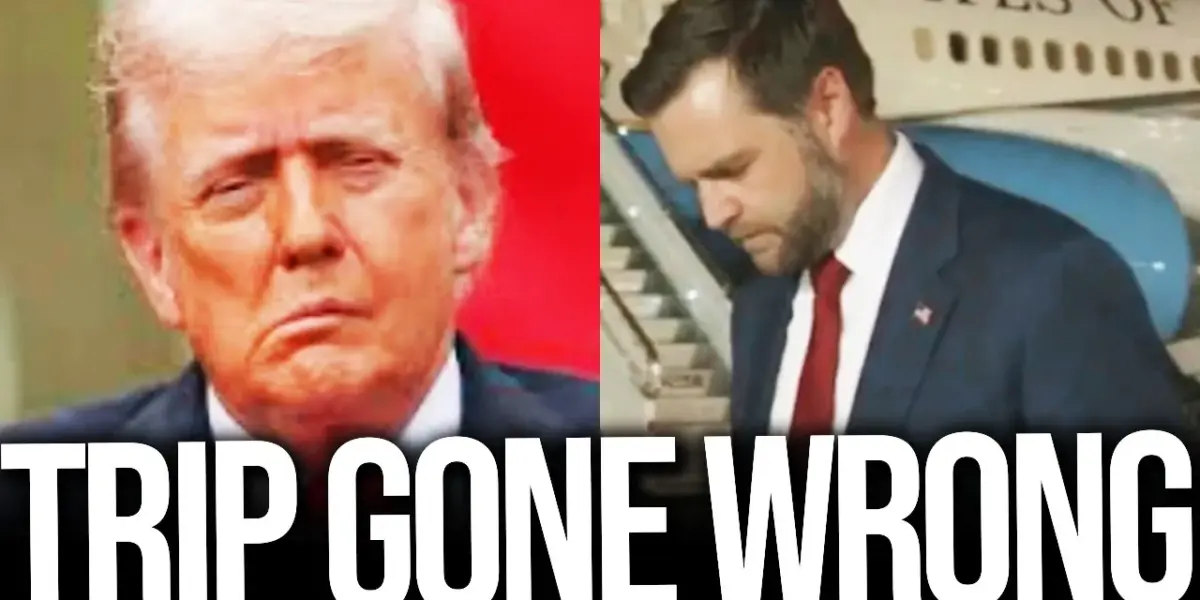
Trump’s Iran Diplomacy Falters as Vance Faces Setbacks
Vice President JD Vance’s planned trip to Pakistan for crucial Iran negotiations has been postponed. This development signals a significant hurdle for the Trump administration’s efforts to de-escalate tensions with Iran. The postponement raises questions about the administration’s diplomatic strategy and Vance’s role within it.
The situation surrounding Vance’s trip has been marked by confusion and conflicting reports. Initially, the administration suggested security concerns were delaying the departure.
Later, statements indicated Vance was en route, only for this to be contradicted. Now, with the scheduled departure date passed, the trip remains uncertain, suggesting a lack of clear progress or agreement from the Iranian side.
A Rocky Diplomatic Path
This is not the first time Vance has engaged in talks with Iran. His previous trip to Pakistan two weeks ago yielded no agreement.
Despite extensive discussions, the core issues remained unresolved, a setback for the administration’s stated goals. Vance himself acknowledged the lack of progress, noting that the situation had only worsened since then.
The Iranian government has denied any readiness for further negotiations. Their stated reason for not engaging is the continuation of U.S. blockades on the Strait of Hormuz.
Iran insists these blockades must be lifted before they will return to the negotiating table. This stance highlights a significant sticking point in the diplomatic process.
Internal Political Dynamics
Adding another layer to this complex situation are reports of internal political maneuvering within the Trump campaign. Sources suggest Trump has been pitting potential advisors, including Vance and Senator Marco Rubio, against each other. This strategy involves gauging preferences through informal polls, potentially influencing future appointments and policy directions.
Marco Rubio has reportedly had recent successes, such as in Venezuela, which Trump has framed as a win. In contrast, Vance’s Iran negotiations are being characterized as a clear loss for the administration. This dynamic suggests Vance might be falling behind Rubio in Trump’s internal assessments, impacting his standing and influence.
Broader Geopolitical Context
Vance’s diplomatic efforts extend beyond Iran. He recently traveled to Hungary to support Prime Minister Viktor Orbán.
This decision drew criticism, particularly given Orbán’s stance on Russia and his country’s political direction. Vance defended the trip, stating it was about supporting a leader who stands against certain European Union policies seen as detrimental to U.S. interests.
However, this visit occurred shortly before Orbán’s election defeat. Vance also faced scrutiny for comments regarding the situation in Lebanon and the Strait of Hormuz. He suggested signs of reopening were appearing, but these claims did not align with the ongoing reality of the situation, further complicating his diplomatic image.
Why This Matters
The stalled negotiations with Iran and the internal political games within the Trump campaign have significant implications. They highlight the challenges of conducting foreign policy amidst domestic political rivalries. The administration’s ability to achieve its foreign policy objectives, such as de-escalating regional conflicts, could be hampered by these internal divisions.
The situation highlights the complex geopolitical landscape. Iran’s continued defiance and its leverage in the conflict demonstrate the difficulties in achieving lasting peace agreements. The administration’s approach, which appears to rely on public pressure and negotiation, faces challenges when dealing with regimes not subject to the same democratic accountability.
Future Outlook
The postponement of Vance’s trip and Iran’s firm stance suggest a prolonged period of diplomatic stalemate. The administration faces the difficult task of finding a new approach to engage Iran effectively. The internal political competition between potential advisors could also shape future foreign policy decisions, potentially leading to more unpredictable outcomes.
The effectiveness of Vance’s role as a negotiator remains to be seen. His recent setbacks, coupled with the administration’s internal dynamics, suggest a challenging path ahead. The situation demands a clear and consistent strategy to navigate the complex relationship with Iran and achieve a stable resolution.
Looking Ahead
As of the latest reports, JD Vance has not yet departed for Pakistan. The situation remains fluid, with potential for further developments. The administration’s next steps in engaging Iran and managing its internal political landscape will be critical in determining the outcome of these ongoing diplomatic efforts.
Source: Vance Pisses Off Trump as Iran GHOSTS HIM (YouTube)

Related Articles

Russia’s Belarus Buildup: A Feint to Distract or Real Threat?
Satellite imagery reveals Belarus building military infrastructure near the Ukrainian border, sparking fears of a new Russian invasion. Analysts debate if this is a genuine threat to Kyiv or a calculated feint designed to pressure Ukraine and divert resources. Russia has a history of using such tactics to gain strategic advantages without direct conflict.

Iran Talks Collapse Amidst Trump’s Aggressive Stance
Negotiations between the U.S. and Iran have collapsed due to Donald Trump's continued blockade of the Persian Gulf and threats. Iran refused to attend talks, citing a lack of trust and demanding an end to aggression. The breakdown highlights a critical juncture, forcing a choice between continued conflict or a genuine diplomatic path.


Internet Blackout Tanks Putin’s Approval Ratings
New approval ratings show a significant drop for Vladimir Putin, tied to widespread internet disruptions in Russia. The data indicates public frustration over loss of online access is greater than concerns about the war in Ukraine. This digital blackout presents a unique challenge to the Kremlin.