AI Designs Apps: Claude Enters the Design Arena
Anthropic has launched Claude Design, an AI tool that generates app prototypes and UIs from simple prompts. Built on the Opus 4.7 model, it aims to streamline the design process by creating interactive elements and animations. While initial tests show promise, the tool still faces challenges in adhering to design systems and making complex edits.

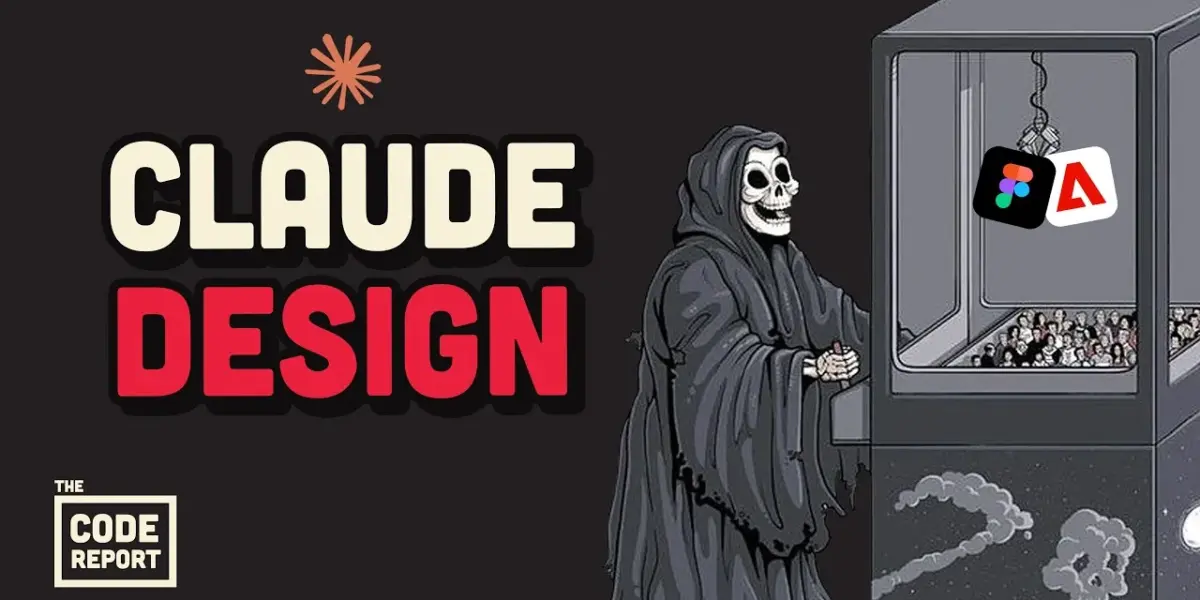
Claude Design Launches, Promising AI-Powered UI Creation
Anthropic has unveiled Claude Design, a new platform built on its Opus 4.7 model. This tool aims to turn simple design ideas into working prototypes, pitch decks, and ready-to-use user interfaces. The announcement has sent ripples through the design and tech industries, with some predicting major shifts in how digital products are made.
Claude Design’s capabilities are powered by Opus 4.7, Anthropic’s latest flagship AI model. This new model is described as more creative, able to understand images up to 2576 pixels wide. For programming tasks, it reportedly achieved an 87.6% score on a software engineering benchmark, showing improvement over previous versions.
How Claude Design Works
The platform allows users to input design concepts without needing to use traditional design software like Figma. Claude Design can then generate interactive elements, animations, and even video content. Users can tweak animations and explore different visual styles for elements like chat interfaces or loading screens.
A key feature is its ability to work with existing design systems. Users can upload design files or link GitHub repositories to ensure consistency. This means designers might only need to create a few core screens, with Claude Design generating the rest based on the provided system.
Testing Claude Design: A First Look
In a test run, the platform was used to create an iOS onboarding flow for a fictional app called ‘Horse Tinder.’ After uploading a PDF design system and providing a prompt, the AI generated five screens. While the initial results were considered a good starting point, there were noted issues, including the AI not fully adhering to the uploaded design system and a problem with the app’s logo appearance.
The platform also allows for direct feedback on the generated designs. Users can draw on the canvas or add comments to request specific changes. However, in this instance, a requested fix for the logo did not fully resolve the issue, suggesting further development may be needed for complex refinements.
Why This Matters
Tools like Claude Design could significantly speed up the initial stages of product development. By automating the creation of user interfaces and prototypes, they might free up designers and developers to focus on more complex problem-solving and strategic aspects of their work.
This development also raises questions about the future role of human designers. While AI can generate designs rapidly, the nuances of user experience, brand identity, and creative problem-solving still heavily rely on human input and direction. The ability to quickly iterate on designs could, however, lower the barrier to entry for creating digital products.
Sponsor Spotlight: Google Cloud Run
This segment is brought to you by Google Cloud Run, a fully managed serverless platform. It allows developers to run code using any language or framework on Google’s infrastructure. Cloud Run handles scaling automatically, from zero to high traffic, without manual intervention.
Developers can deploy services directly from their terminal or integrate with GitHub for continuous deployment. Google AI Studio is also highlighted as a development environment for building and deploying full-stack applications to Cloud Run with a single click. The platform offers 2 million free requests per month, making it accessible for various projects.
Claude Design is available now, built on the Opus 4.7 model from Anthropic. Further details on pricing and specific features can be found on Anthropic’s official website.
Source: Claude just got another superpower… (YouTube)

Related Articles


AI Agents Can Now Work Autonomously in the Cloud
Anthropic's Claude AI now features "Routines," allowing it to perform scheduled tasks autonomously in the cloud. This means Claude can work even when your computer is off, removing a key limitation for AI automation.

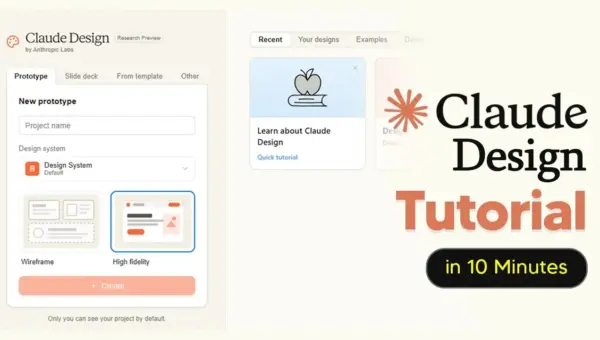
Anthropic’s Claude Design Crafts Code-Powered Prototypes
Anthropic's new Claude Design tool uses advanced AI to create code-powered prototypes, slide decks, and interactive interfaces. The platform requires a subscription and careful monitoring of usage limits. Users can build custom design systems and generate designs ranging from basic wireframes to high-fidelity mockups, with features like 'tweaks' for granular control.
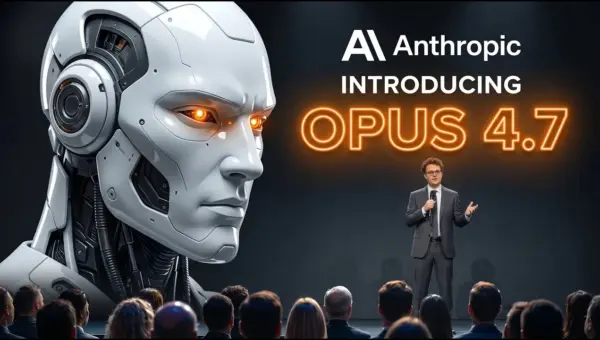
Anthropic’s Opus 4.7 Excels in Enterprise Tasks, Not Everyday Use
Anthropic's new Opus 4.7 AI model shows major gains in areas like document analysis and long-term planning, primarily benefiting enterprise users. However, for everyday individuals, the model may not feel like a significant upgrade due to trade-offs and increased effective costs.