Sony Handycam Battery Upgrade Fueled EV Revolution
A key battery upgrade in the 1990s Sony Handycam indirectly fueled the electric vehicle revolution. Increased production of lithium-ion batteries for consumer electronics lowered costs, making EVs more feasible. Despite current supply chain and geopolitical challenges, battery innovation continues with a focus on new production and recycling methods.

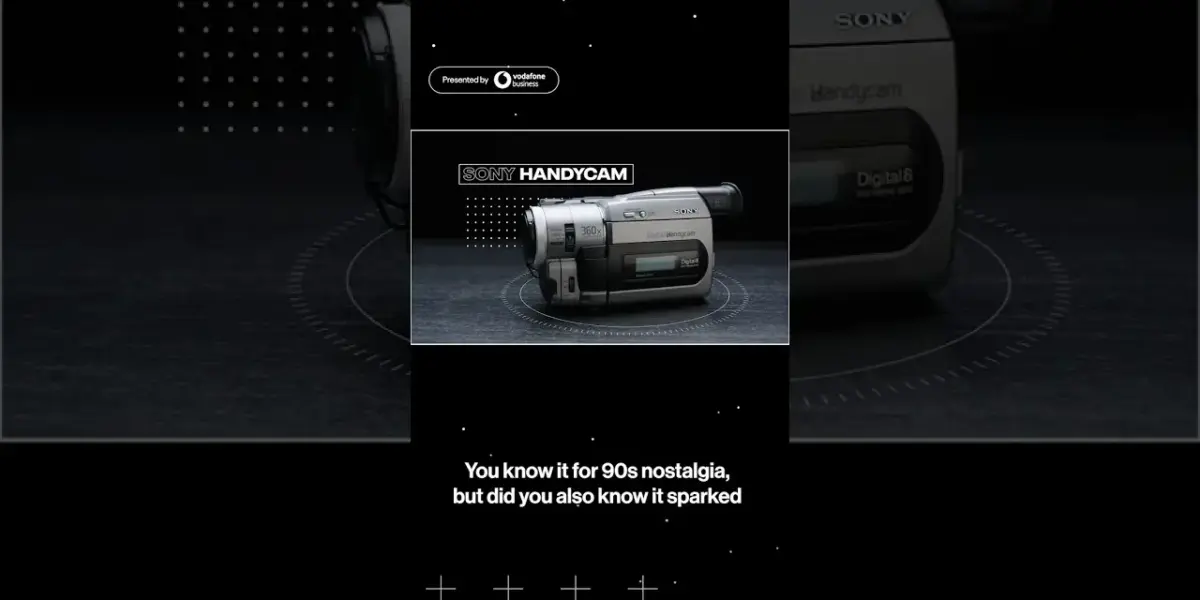
Sony Handycam Battery Upgrade Fueled EV Revolution
The Sony Handycam, a symbol of ’90s nostalgia for many, played an unexpected role in shaping modern consumer electronics. Its success was largely driven by a crucial technological leap: the lithium-ion battery.
This powerful new battery allowed the Handycam to become a massive hit. Sony saw the potential to put this game-changing battery into many other products. The company aimed to integrate it across its entire device lineup.
Wright’s Law and Falling Costs
This push for widespread adoption is connected to a principle known as Wright’s Law. This law suggests that as production volume increases, the cost per unit decreases. Essentially, the more of something you make, the cheaper it becomes to produce each individual item.
Sony’s strategy with the lithium-ion battery for the Handycam exemplifies this. By manufacturing these batteries in large quantities for various devices, Sony helped drive down their cost. This cost reduction enabled their use in new and emerging technologies.
From Camcorders to Electric Cars
The impact of this battery innovation extends far beyond handheld cameras. The lower costs and improved performance of lithium-ion batteries are directly linked to the rise of electric vehicles (EVs). These vehicles, often described as giant batteries on wheels, rely heavily on this technology.
Without the advancements spurred by products like the Handycam, the widespread availability and affordability of EVs today might not have been possible. The initial demand and production scaling for consumer electronics created a foundation for larger applications.
Challenges and Future of Battery Technology
Despite decades of progress since the 1990s, the battery sector now faces new challenges. Global supply chains can be unpredictable, and geopolitical tensions can disrupt the flow of essential materials. Regulatory changes also add another layer of complexity to battery production and deployment.
However, innovation continues. New production techniques are constantly being developed to improve efficiency and reduce environmental impact. Battery recycling is also becoming increasingly important, aiming to recover valuable materials and reduce waste.
Market Impact
The story of the Handycam’s battery highlights how innovation in one consumer product can have far-reaching consequences. It demonstrates the power of scaling production to lower costs, a principle that has been vital for the growth of industries like electric vehicles and renewable energy storage.
Investors and industry watchers are closely observing the battery market. The ability to overcome current headwinds like supply chain issues and geopolitical risks will be key. Continued advancements in production and recycling are crucial for maintaining the momentum of electrification and energy innovation.
The ongoing development in battery technology affects numerous sectors. This includes not only automotive but also consumer electronics, grid-scale energy storage, and portable power solutions. The sector remains a critical area for future technological growth and investment opportunities.
The next steps in battery innovation will likely focus on increasing energy density, improving charging speeds, and ensuring greater sustainability throughout the battery lifecycle. These efforts are essential for meeting the growing global demand for cleaner energy and more powerful portable devices.
The series examining battery innovation continues with a focus on new production techniques and recycling efforts.
Source: How Sony’s Handycam Sparked a Revolution in Consumer Electronics (YouTube)

Related Articles


Lucid Teases Three New Models: A Bold Strategy
Lucid Motors is set to launch three new electric vehicles: the Cosmos, Earth, and a 'Stay Tuned' model. These new offerings aim to capture a wider audience beyond the luxury Air sedan, targeting different buyer profiles and market segments. The company hopes these models will boost sales and brand recognition.


Tesla Model 3 Cost Slashed to $78/Month
A Tesla Model 3 owner reveals how they reduced their monthly cost to just $78. This was achieved through a combination of $6,250 in EV credits and rebates, and significant tax savings from using the car for business. The owner's first year out-of-pocket cost was reduced from over $12,000 to an effective $78 per month.


Apple’s Hardware Dominance Reaches New Heights
Apple's hardware division is currently experiencing unparalleled success, largely driven by its in-house chip design. This focus on custom silicon has boosted performance across its product lines, especially Macs. The company is innovating across networking and display technologies, setting a high bar for competitors.