Congress Faces Expulsion Vote: Mills and Cherfilus-McCormick Under Fire
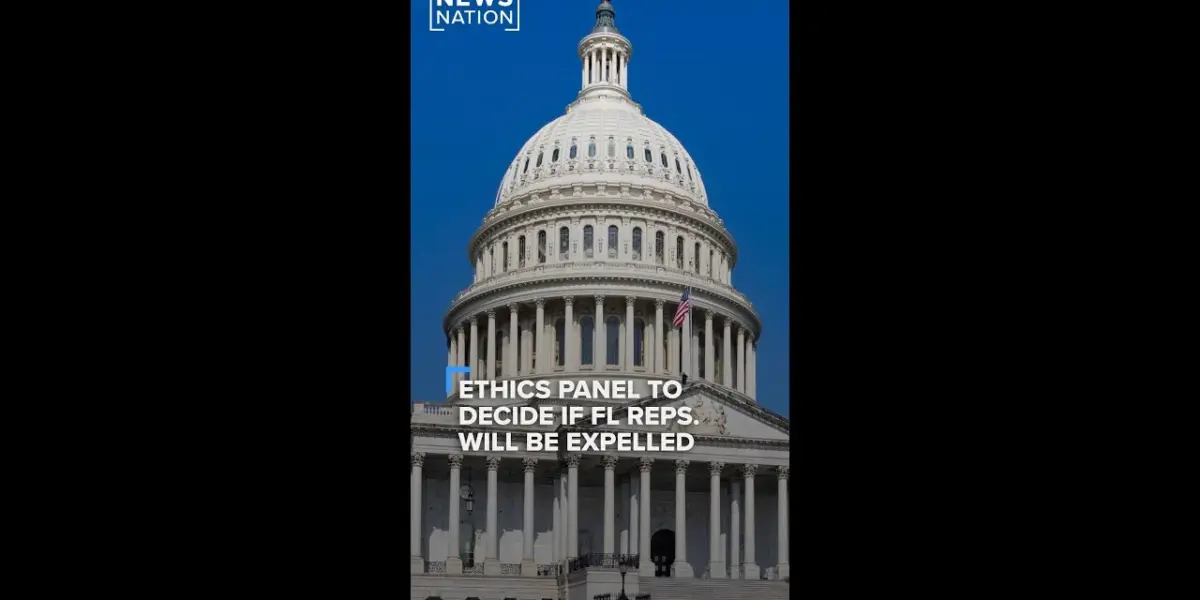
Two U.S. House members, Sheila Cherfilus-McCormick and Cory Mills, face potential expulsion over ethics violations. Cherfilus-McCormick is accused of misusing COVID relief funds for her campaign, while Mills faces multiple allegations including campaign finance and misconduct. Expelling a member requires a difficult two-thirds majority vote.

Congress on the Brink: Expulsion Votes Loom for Two Lawmakers
The U.S. House of Representatives is facing a critical moment as the Ethics Committee prepares to release its findings on two members. Congresswoman Sheila Cherfilus-McCormick and Congressman Cory Mills are now at the center of serious allegations. Lawmakers are considering whether to expel them from their seats, a rare and significant action in American politics.
This situation unfolds just days after two other high-profile resignations. Representatives Eric Swalwell and Tony Gonzales stepped down following allegations of sexual misconduct. These recent events highlight a growing tension and scrutiny within the halls of Congress regarding the conduct of its members.
A Steep Threshold for Removal
The potential expulsion of Cherfilus-McCormick and Mills carries historical weight. If both are removed, they would join a very small group of individuals ever expelled from the House. This action has only happened seven times before in history, making it an extraordinary measure.
To expel a member requires a two-thirds majority vote from the House of Representatives. This is a very high bar to clear, especially in today’s deeply divided political climate. Achieving such a consensus is challenging, making expulsion a difficult path to tread.
Allegations Against Cherfilus-McCormick
Congresswoman Sheila Cherfilus-McCormick faces accusations from the House Ethics Committee. The committee claims she broke House rules by allegedly directing millions of dollars in COVID-19 relief funds from FEMA.
These funds were reportedly sent to her 2021 election campaign. The Department of Justice also charged her in November.
However, Cherfilus-McCormick strongly denies all wrongdoing. She has publicly stated that the investigation is politically motivated and unfair. Her defense suggests a fight over the validity and fairness of the ethics probe itself.
Congressman Mills Faces Multiple Investigations
Congressman Cory Mills is also under investigation by the Ethics Committee. His case involves several serious claims, including issues related to campaign finance.
He also faces allegations of sexual misconduct and domestic abuse. These are grave accusations that demand thorough examination.
Like Cherfilus-McCormick, Mills denies all the allegations leveled against him. He has not been formally charged by the Department of Justice in connection with these claims. His situation adds another layer of complexity to the ongoing ethics reviews.
Why This Matters
The actions taken against Cherfilus-McCormick and Mills are more than just individual disciplinary matters. They speak to the integrity of the legislative process and public trust in elected officials. When lawmakers are accused of serious misconduct, especially involving public funds or personal behavior, it erodes confidence in government.
The process of investigation and potential expulsion also reflects on the House’s ability to police itself. It shows whether the institution can hold its members accountable for their actions.
A successful expulsion sends a strong message about expected standards of conduct. Conversely, a failure to act decisively can be interpreted as a sign of weakness or political compromise.
Historical Context and Precedents
Expulsion from the House of Representatives is not a new concept, but it is exceedingly rare. The first expulsion occurred during the Civil War in 1861. Members were expelled for supporting the Confederacy, showing that expulsion has historically been used for actions seen as undermining the nation.
More recently, expulsions have been tied to corruption, criminal convictions, or severe ethical breaches. For example, Representative George Santos was expelled in 2023 due to numerous fraud charges and misrepresentations. These historical instances set a precedent for the seriousness of the offenses that can lead to removal.
Implications and Future Outlook
The current investigations into Cherfilus-McCormick and Mills could set new precedents. The outcomes will influence how future ethics complaints are handled and the perceived willingness of Congress to enforce its own rules. The requirement of a two-thirds majority means that partisan divisions could either prevent accountability or force bipartisan cooperation.
If these expulsions proceed, it could signal a more aggressive stance by the House Ethics Committee. It might also encourage more whistleblowers or accusers to come forward. However, the high threshold for expulsion means that many cases may still end in censure or other lesser penalties, even with strong evidence.
The trend of increased scrutiny on lawmakers’ conduct is likely to continue. With social media and constant news cycles, alleged misdeeds are quickly brought to public attention. This pressure may lead to a greater demand for transparency and accountability from elected officials.
The coming days will be crucial as the Ethics Committee releases its findings. The subsequent vote will reveal the current political will to enforce ethical standards within the House. The decisions made will echo through Capitol Hill and affect public perception of Congress.
Source: Congress weighs decision to expel Mills, Cherfilus-McCormick | NewsNation (YouTube)

Related Articles

Democrat Sworn In, Bolstering House Representation
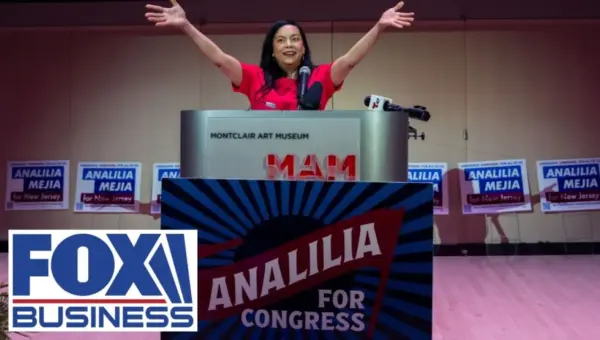
Anna Lillia Mejia was sworn into the 119th Congress, representing New Jersey's 11th District. Her swearing-in highlighted a victory rooted in grassroots organizing and a commitment to working families and young people. The House also passed legislation on disaster reporting and observed moments of silence for notable figures and tragic events.

House Floor Shutdown: A Political Power Play?
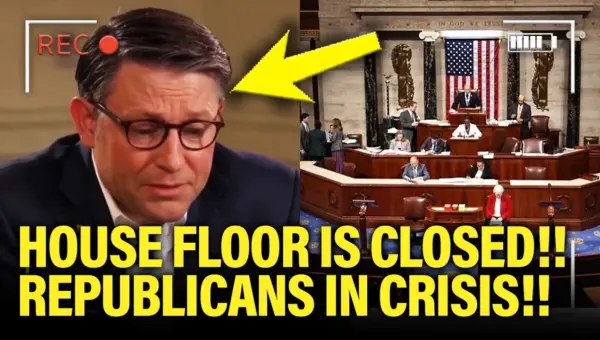
House Speaker Mike Johnson adjourned the House floor in the early hours of Friday, halting legislative votes until Monday. This move occurred amidst debates over war powers, economic messaging, and sharp partisan rhetoric. The shutdown raises questions about governmental function and the clarity of information in a polarized political climate.

Democrat Flips NJ Seat, Shrinking GOP House Majority
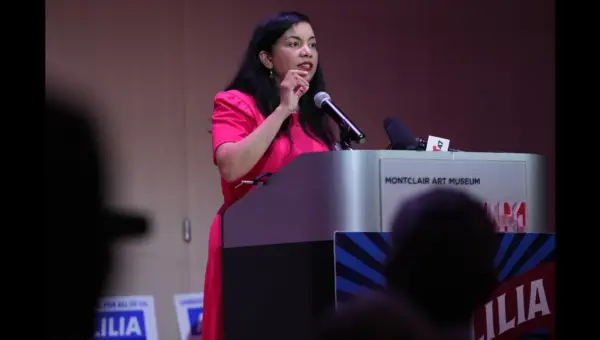
Democrat Analilia Mejia won a special election in New Jersey, taking Mikie Sherrill's former House seat. Her victory narrows the Republican majority in Congress. Mejia campaigned on progressive policies, while her opponent focused on economic issues.