Expert Slams US Approach to Iran Talks as Amateurish
Sir Lawrence Freedman, a renowned war studies professor, has strongly criticized the U.S. handling of Iran negotiations as "amateurish and incompetent." Amidst confusion over potential ceasefire talks, key issues like the Strait of Hormuz and Iran's nuclear program remain unresolved. Freedman believes a lack of trust and internal divisions on both sides are major obstacles to a peace deal.

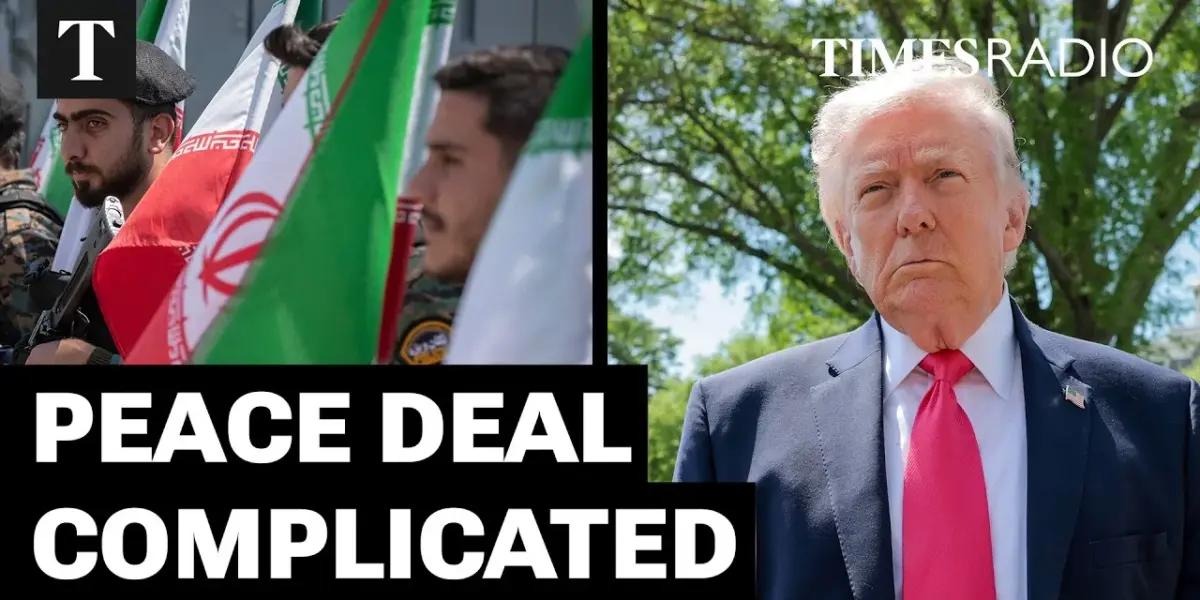
Expert Slams US Approach to Iran Talks as Amateurish
Leading war studies professor Sir Lawrence Freedman has sharply criticized the United States’ handling of recent negotiations with Iran, calling the approach “amateurish and incompetent.” The comments come amid significant uncertainty surrounding potential talks aimed at renewing a ceasefire between the two nations, with a deadline looming.
Confusion Reigns Over Iran Negotiations
The situation is marked by widespread confusion about the status of negotiations between the U.S. and Iran. Reports suggest J.D. Vance may be heading to Pakistan for talks, but Iran has stated it is not committed to any specific outcomes.
Adding to the complexity, China’s President Xi Jinping has intervened, seeking the reopening of the Strait of Hormuz. This intervention puts pressure on both sides to find a resolution.
Both Iran and the U.S. have accused each other of violating the current ceasefire terms. This mutual distrust means that any potential talks in Pakistan might face the same obstacles that doomed previous discussions. “Everybody’s got a right to be confused in this situation,” Freedman observed.
Key Issues: Strait of Hormuz and Nuclear Program
Two central issues dominate the standoff: control of the Strait of Hormuz and Iran’s nuclear enrichment program. Iran had previously suggested it might loosen its control over the vital shipping lane, but this was contingent on the U.S. ending its blockade of Iranian ports. President Trump did not reciprocate, seemingly preferring to maintain an upper hand.
Freedman believes Iran could potentially yield on Strait of Hormuz control, especially if the U.S. acknowledges it as a point of leverage. However, he noted that expecting Iran to open up while the U.S. keeps its own channels closed is unrealistic. “It requires the Americans to accept that this is actually a point of leverage that the Iranians have,” he stated.
Regarding Iran’s nuclear program, Freedman expressed doubt that any immediate agreement would be reached. While Trump has demanded Iran hand over all enriched uranium and guarantee an end to further enrichment, Freedman suggests the best outcome might be an agreement to pursue this issue over time. He anticipates Trump will push hard for immediate concessions, which he believes Iran may not be able to provide.
Avoiding Escalatory War
Both sides face significant economic pressures that make a full-scale conflict highly undesirable. Iran’s economy is struggling, while the U.S. is wary of disrupting the global economy. Freedman thinks both parties would prefer to extend the current ceasefire.
However, Trump’s tendency for strong rhetoric and threats complicates matters. Despite these threats, Freedman leans towards the idea that both sides are seeking a way to maintain the ceasefire and open the Strait of Hormuz. He pointed to internal divisions within Iran, with hardliners resisting concessions to the U.S. while government officials grapple with economic survival.
Internal Divisions and Lack of Trust
Freedman highlighted the internal power dynamics within Iran, noting that while hardliners, such as the IRGC, call the shots, they do not control the entire government. The nation faces severe economic hardship, water shortages, and disrupted internet access, making governance a challenge. Even the hardliners may be uncertain about how to effectively lead the country.
This creates a situation where incentives exist for a deal, but a profound lack of trust between the U.S. and Iran hinders progress. Freedman reiterated his criticism of the U.S. approach, stating, “The Americans have handled the this in a sort of an amateurish and incompetent way for weeks now.” He concluded that in a different global climate, a resolution might be achievable, but the current actors do not behave as international relations theories might predict.
The program concluded by stating that Times Radio would provide updates if J.D. Vance’s plane departed for Islamabad, keeping listeners informed of any developments in the ongoing diplomatic efforts.
Source: Trump’s Approach Made A Simple Peace Deal Harder | Sir Lawrence Freedman (YouTube)

Related Articles

Europe Boosts Defense, UK Sends Drones to Ukraine
Europe is significantly increasing its defense spending and readiness, with the UK sending drones to Ukraine. Meanwhile, Pope Francis continues to call for peace amid global conflicts, drawing criticism from Donald Trump. U.S.-Iran nuclear negotiations are ongoing, with both sides making tentative proposals.
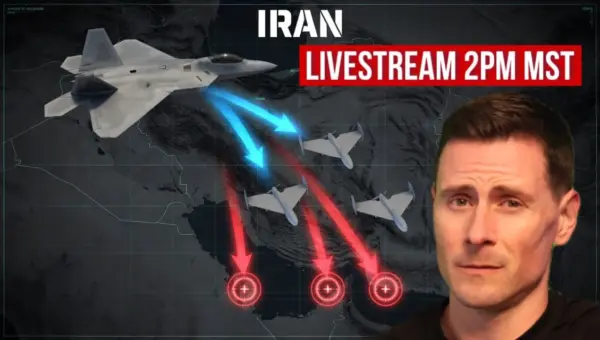
Iran Faces Blockade, New Targets Emerge
New intelligence reveals Iran's regime facing intensified pressure from international naval blockades and emerging domestic targets. Strikes have hit commercial vessels, including a French ship, near Larak Island. Diplomatic efforts are strained as a ceasefire nears expiration, with Iran withdrawing from negotiations.

Middle East Tensions Rise as Iran Ceasefire Deadline Looms
Tensions escalate in the Middle East as a U.S.-Iran ceasefire deadline nears, with Vice President Vance heading to Pakistan for peace talks amid uncertainty over Iran's participation. Iran vows retaliation after the U.S. seized a cargo ship, while President Trump issues stern warnings. In domestic news, FBI Director Kash Patel sues The Atlantic for defamation, and the Secretary of Labor resigns amid an investigation.