Iran Ceasefire Expires, Threatens Gulf Instability
A critical ceasefire between the U.S. and Iran is nearing its end, with the U.S. military doubling its firepower in the Gulf. Meanwhile, a narrow window for a deal with Cuba is open, with Senator Marco Rubio engaging in talks with Raulito Castro.

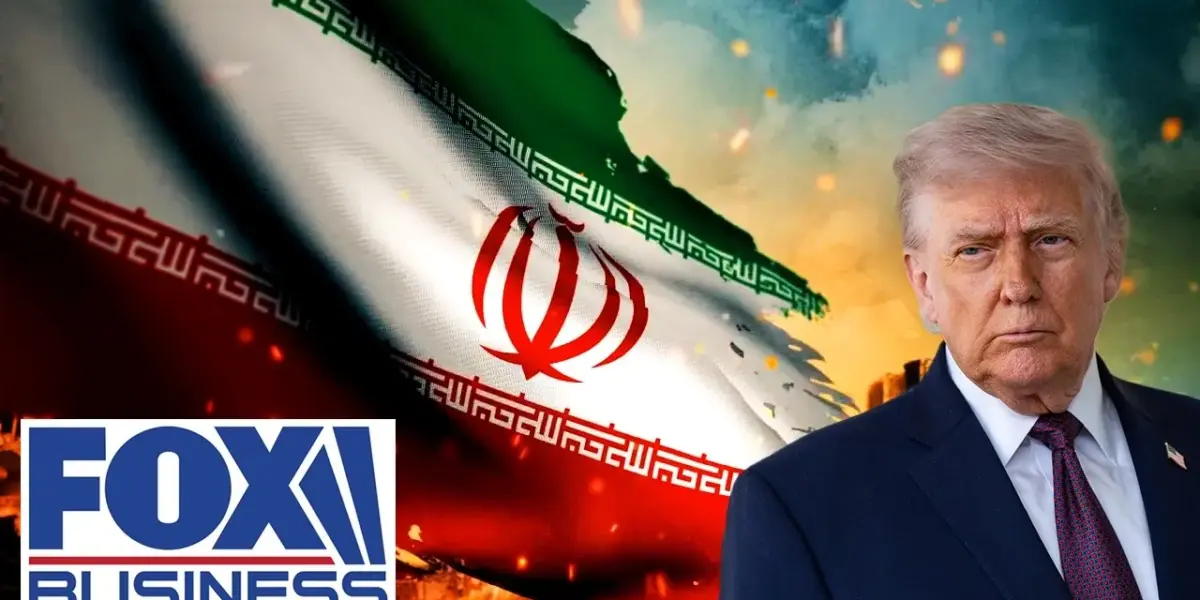
Iran Ceasefire Nears End, U.S. Military Readiness Doubled
A critical ceasefire agreement between the United States and Iran is set to expire, potentially unleashing significant geopolitical and economic instability in the Persian Gulf region. The situation is tense as Iran’s ruling military figures, the Islamic Revolutionary Guard Corps (IRGC), appear to be playing a waiting game. This tactic, described as a pattern of behavior spanning 45 years, suggests a refusal to deviate from established strategies.
Former Trump National Security Advisor KT McFarland noted that Iran’s approach involves reaching agreements only to break them, a cycle she expects to continue. The decisions are not made by civilian leaders but by the military commanders within the IRGC. This internal power dynamic is key to understanding Iran’s foreign policy actions and its interactions with global powers.
Trump’s Stance and Escalating Military Posture
President Donald Trump has a well-known aversion to being manipulated or made to appear foolish. McFarland emphasized that Trump has repeatedly shown his strong dislike for anyone attempting to outsmart him. The Iranians may be misjudging the current U.S. leadership, mistaking it for a more pliable administration like those of Joe Biden or Barack Obama.
With the ceasefire expiring in less than 24 hours, the U.S. military presence in the Gulf has significantly increased. Firepower in the region has nearly doubled compared to a month ago. This heightened readiness suggests a prepared response to potential escalations from Iran.
Israeli Role in Regional Tensions
The Israeli military is expected to continue its operations targeting top Iranian leadership. This strategy, aimed at disrupting Iran’s command structure, could intensify regional conflicts. McFarland predicted that the U.S. and Israel might coordinate actions to further weaken the IRGC’s capabilities.
The possibility exists that the IRGC leadership might be prepared for a final stand, potentially leading to severe consequences. This raises the question of how long the Iranian population will endure the current geopolitical pressures and economic hardships.
Economic Pressures and China’s Influence
Iran faces a stark choice: continue down its current path or seek a potential future with the U.S. under President Trump. An agreement with the U.S. could lead to sanctions relief and significant American investment in Iran’s energy sector. However, Iran’s primary economic partner, China, is likely to exert its influence.
China’s interests primarily lie in securing oil supplies. Beijing may pressure Iran to reopen the Strait of Hormuz, a vital shipping lane for global oil transport. This suggests that China’s economic imperatives could shape Iran’s strategic decisions more than nuclear concerns.
Cuba: A Narrow Window for Deal-Making
Shifting focus to Cuba, the U.S. administration is increasing pressure on the government in Havana. State Department officials recently met with Cuban counterparts, signaling a limited time frame for negotiations. A key demand from the U.S. is the release of political prisoners within Cuba.
Senator Marco Rubio, whose parents fled Cuba, is actively involved in discussions. He has been communicating with Raulito Castro, the grandson of Raul Castro. This younger generation leader, around 40 years old, reportedly sees a potential future for Cuba that differs from the current regime’s policies.
Potential for a Peaceful Resolution in Cuba
McFarland expressed optimism that a deal regarding Cuba could be reached relatively soon. She believes that once the intense focus on Iran subsides, progress on Cuba might accelerate. The potential for a peaceful resolution is seen as achievable.
A critical factor in the Cuba negotiations is preventing Chinese or Russian influence, particularly at the U.S. naval base in Guantanamo Bay. This strategic consideration adds urgency to the talks, suggesting a coordinated effort to secure U.S. interests.
Source: TICKING CLOCK: Expiring ceasefire could UNLEASH chaos (YouTube)

Related Articles

Iran Hides Missiles as War Clouds Gather
As a ceasefire nears its end, Iran is reportedly moving its ballistic missiles to hidden locations, signaling potential preparations for renewed conflict. The U.S. military stands ready to resume bombing campaigns if necessary, while diplomatic efforts face uncertainty with Iran's response to peace talks still pending. China's alleged involvement in supplying missile parts adds another layer of complexity to the volatile situation.


Internet Blackout Tanks Putin’s Approval Ratings
New approval ratings show a significant drop for Vladimir Putin, tied to widespread internet disruptions in Russia. The data indicates public frustration over loss of online access is greater than concerns about the war in Ukraine. This digital blackout presents a unique challenge to the Kremlin.
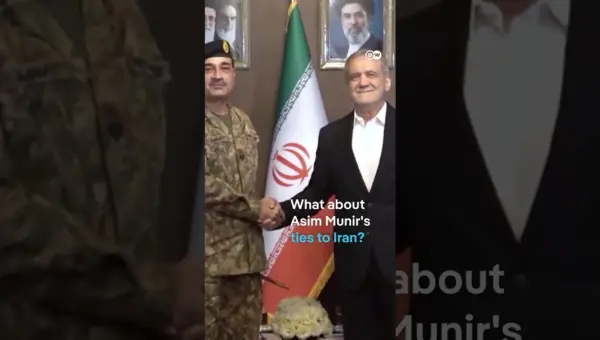
Pakistan Army Chief Acts as Trump’s Secret Diplomat
Pakistan's Army Chief, General Asim Munir, has become an unofficial diplomat, building a personal rapport with Donald Trump and mediating sensitive talks with Iran. This role highlights Pakistan's hybrid governance system, where the military plays a significant part in foreign policy. Munir's actions aim to stabilize the region and enhance Pakistan's global influence.