US, Iran Head to Pakistan for Ceasefire Talks
The U.S. and Iran are heading back to Pakistan for ceasefire talks, with Vice President JD Vance leading the American delegation. Washington has laid out firm "red lines" including Iran abandoning its nuclear program and halting support for terror proxies. While the U.S. might offer sanctions relief, Iran faces a critical decision on whether to meet these demands to avoid potential military action.

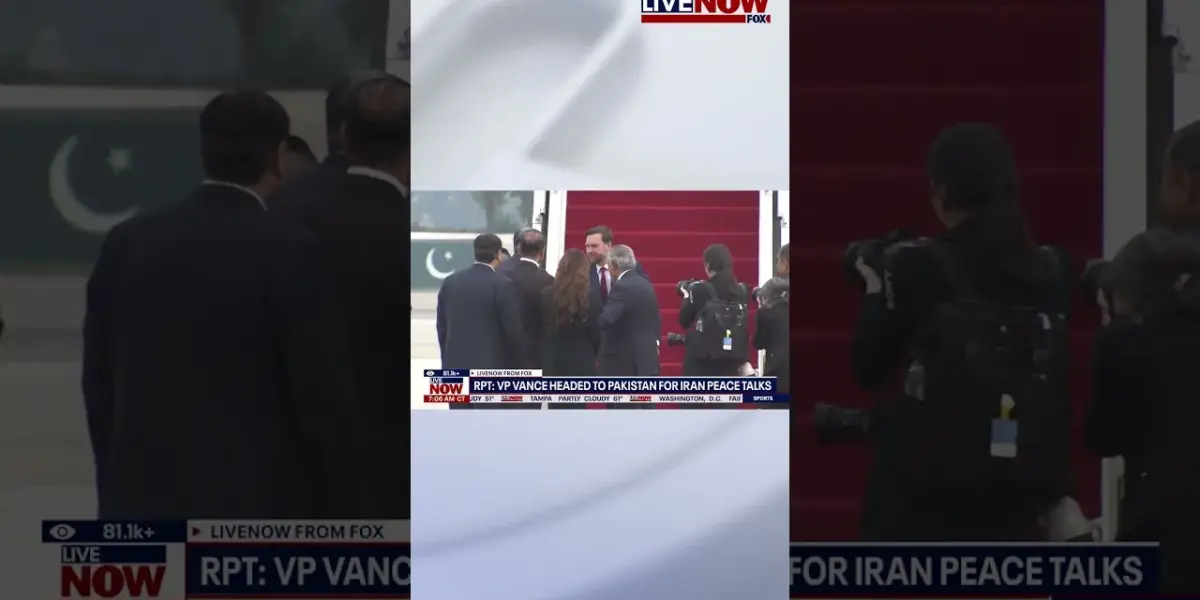
US, Iran Signal Return to Pakistan for Ceasefire Talks
The United States and Iran are preparing to return to Pakistan for further ceasefire negotiations, signaling a continued effort to de-escalate regional tensions. Vice President JD Vance is expected to lead the U.S. delegation, a move highlighting the seriousness with which Washington views these discussions. These talks follow previous rounds that did not yield a resolution, prompting questions about potential new strategies for the upcoming negotiations.
Vice President Vance’s leadership in these talks is a significant indicator of the U.S. commitment. Sending the highest-ranking official possible, aside from the President himself, demonstrates the importance the United States places on achieving a ceasefire and stability. The U.S. delegation aims to convey a clear message about American priorities in the region.
U.S. Red Lines and Potential Concessions
The United States has clearly defined its non-negotiable demands, often referred to as “red lines.” These include Iran abandoning its nuclear program and ambitions entirely. Iran must also surrender its enriched uranium, some of which is stored in underground facilities that have faced strikes from both U.S. and Israeli forces.
The U.S. insists that Iran cease its funding of proxy groups involved in terrorism worldwide. Iran must also halt its ballistic missile launches and ensure the free passage of vessels through the Strait of Hormuz. These demands represent the core of the American position in the negotiations.
Iran’s Decision Point
While the U.S. has firm red lines, there is room for potential U.S. concessions. Washington might consider offering relief from certain economic sanctions imposed on Iran. The U.S. could also explore providing some level of funding for the reconstruction of infrastructure damaged during recent conflicts.
However, the U.S. stance is that it does not need to compromise on its fundamental demands. The decision rests with Iran: whether meeting these U.S. red lines is worth avoiding further military action from Israel and the United States. This places Iran at a critical juncture, facing a choice between significant policy changes and the potential for escalated conflict.
Broader Implications and Regional Stability
The ongoing negotiations in Pakistan are part of a larger effort to manage a complex geopolitical situation. Iran’s nuclear program and its support for regional proxies have been major sources of concern for the U.S., Israel, and many other nations. A successful ceasefire could have far-reaching positive effects on regional stability.
Conversely, a failure to reach an agreement could increase the risk of military confrontation. The U.S. and its allies have demonstrated a willingness to use force to prevent Iran from acquiring nuclear weapons or destabilizing the region. The stakes are incredibly high for all parties involved.
Looking Ahead: What to Watch Next
All eyes will be on Pakistan as the U.S. and Iran reconvene for these critical talks. The focus will be on whether Iran shows a willingness to meet the U.S. red lines concerning its nuclear program, proxy activities, and missile development. Any sign of flexibility from Tehran could enable de-escalation.
The international community will be closely monitoring the outcomes of these discussions. The potential for sanctions relief or reconstruction aid might be used as incentives for Iran to comply. The world watches to see if diplomacy can prevail over the threat of further conflict in the coming weeks.
Source: US, Iran signal they will return to Pakistan for ceasefire talks (YouTube)

Related Articles


Europe Boosts Defense, UK Sends Drones to Ukraine
Europe is significantly increasing its defense spending and readiness, with the UK sending drones to Ukraine. Meanwhile, Pope Francis continues to call for peace amid global conflicts, drawing criticism from Donald Trump. U.S.-Iran nuclear negotiations are ongoing, with both sides making tentative proposals.


Expert Slams US Approach to Iran Talks as Amateurish
Sir Lawrence Freedman, a renowned war studies professor, has strongly criticized the U.S. handling of Iran negotiations as "amateurish and incompetent." Amidst confusion over potential ceasefire talks, key issues like the Strait of Hormuz and Iran's nuclear program remain unresolved. Freedman believes a lack of trust and internal divisions on both sides are major obstacles to a peace deal.

US Tightens Iran Blockade Amid Stalled Ceasefire Talks
As a critical ceasefire deadline looms, uncertainty clouds US-Iran talks, with a strict blockade of Iranian ports intensifying pressure. Experts debate the blockade's effectiveness and the deep mistrust hindering negotiations, while the Iranian people face ongoing repression and economic hardship.