Trump Uses Wartime Powers to Boost Energy
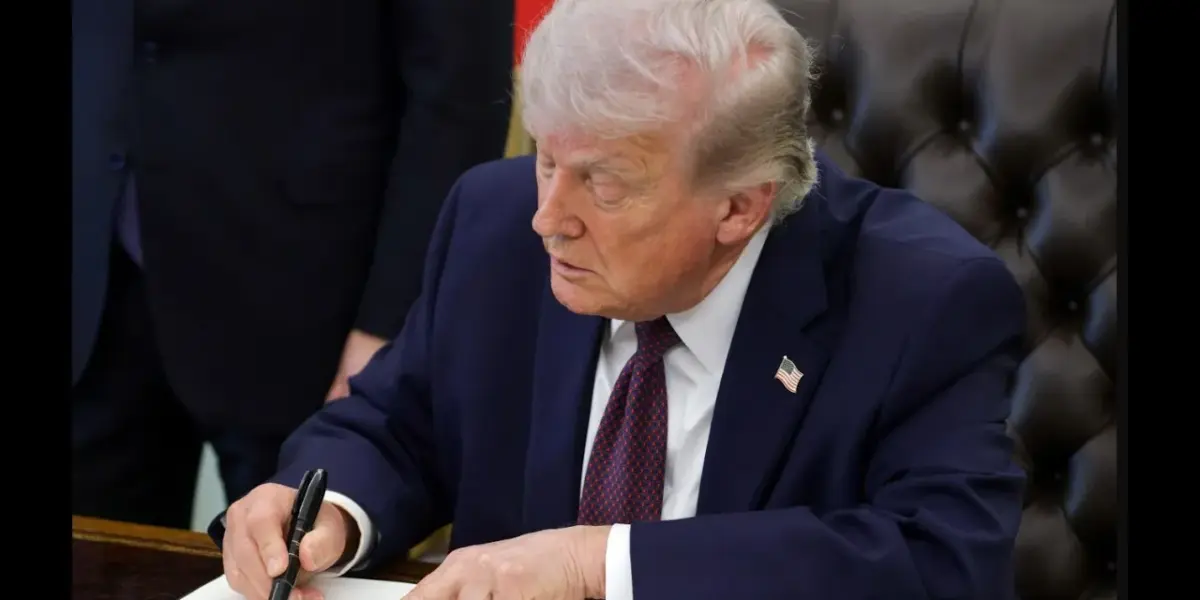
President Trump is using the Defense Production Act, a wartime law, to boost U.S. energy production and infrastructure. The move aims to ensure reliable, affordable, and secure energy, citing national security concerns amidst rising global energy prices.

Trump Uses Wartime Powers to Boost Energy
President Trump is using a powerful law from the Korean War era to speed up American energy projects. This law, called the Defense Production Act, gives the president special abilities during national emergencies.
He is using it now to help boost the country’s energy production and build more energy infrastructure. The goal is to make sure the U.S. has enough energy and can get it reliably.
The White House announced that the president signed memos to get federal money and support moving to important energy areas. These sectors have been facing delays and shortages.
The administration believes this action will help provide energy that is steady, not too expensive, and safe for everyone in the nation. President Trump has linked this effort directly to national security.
National Security Concerns Drive Action
President Trump has stated that weak spots in our energy supply could make the United States vulnerable to threats from other countries. He sees a strong domestic energy sector as a key part of national defense. This means that having enough oil, gas, and other energy sources made right here at home is not just about keeping the lights on; it’s about protecting the country.
This significant move comes at a time when the government is trying to manage rising energy costs. These rising costs are happening while international tensions are high, specifically mentioning the conflict with Iran. The administration views controlling domestic energy supply as a way to lessen the impact of global problems on American consumers and the economy.
What is the Defense Production Act?
The Defense Production Act (DPA) was first signed into law in 1950. Its main purpose was to help the United States military get the materials and resources it needed during the Korean War. Think of it like a wartime checklist that allows the government to quickly get things done.
The DPA allows the president to do several things. He can encourage domestic production of important goods, prioritize government contracts for defense needs, and even control certain aspects of the economy to support national defense. It’s a tool that has been used by presidents in the past for various emergencies, from natural disasters to public health crises.
Why This Matters
Using the Defense Production Act for energy signals a serious approach to energy independence and security. It shows the government is willing to use extraordinary measures to ensure a stable energy supply. This is important because energy costs affect everything from household budgets to the prices of goods and services.
This action could lead to faster development of new energy projects and upgrades to existing infrastructure. It might also mean more government investment and attention to energy companies that are seen as critical to national interests. For consumers, the hope is for more predictable energy prices and a stronger U.S. position on the world stage.
Looking Ahead
The long-term effects of invoking the DPA for energy remain to be seen. However, it sets a precedent for how future energy challenges might be addressed. The administration’s focus on domestic production and security suggests a continuing effort to reduce reliance on foreign energy sources.
This directive will likely lead to increased activity in the U.S. energy sector. Officials will be watching closely to see how quickly these projects move forward and what impact they have on energy prices and availability. The next steps will involve how federal agencies implement these directives and coordinate with private industry to achieve the stated goals.
Source: Trump Invokes Defense Production Act to Sign Energy-Related Directives (YouTube)

Related Articles

Generals Block Trump from Nuclear Codes Amidst Global Tensions
A report claims top generals blocked Donald Trump from accessing nuclear codes, citing his erratic behavior. This alleged incident, coupled with Trump's controversial statements on resuming nuclear testing, raises serious concerns about national security and global stability.

US Scientists’ Deaths, Disappearances Spark National Security Probe
At least 10 American scientists tied to US nuclear and space research have died or disappeared, prompting a national security probe by the House Oversight Committee. President Trump confirmed he was briefed on the deepening mystery, which began in 2023 and has intensified this year. Lawmakers are investigating the potential threat these incidents pose to the nation.
Ex-Official: Trump Risks War Crimes with Iran Threats
A former U.S. National Security official warns President Trump's threats against Iran risk war crimes and show a misunderstanding of the nation's government and people. The expert highlights the complexities of ongoing negotiations and the escalating situation around the Strait of Hormuz. A sustainable resolution is deemed necessary to avoid further economic fallout and potential conflict.