Hungary Demands Ukraine Reopen Key Oil Pipeline
Hungary is demanding that Ukraine reopen the southern branch of the Druzhba oil pipeline, a crucial supply route for Russian crude. Foreign Minister Péter Szijjártó urged Ukrainian President Zelenskyy to fulfill promises and allow oil flow, while also calling on Russia to resume pumping.

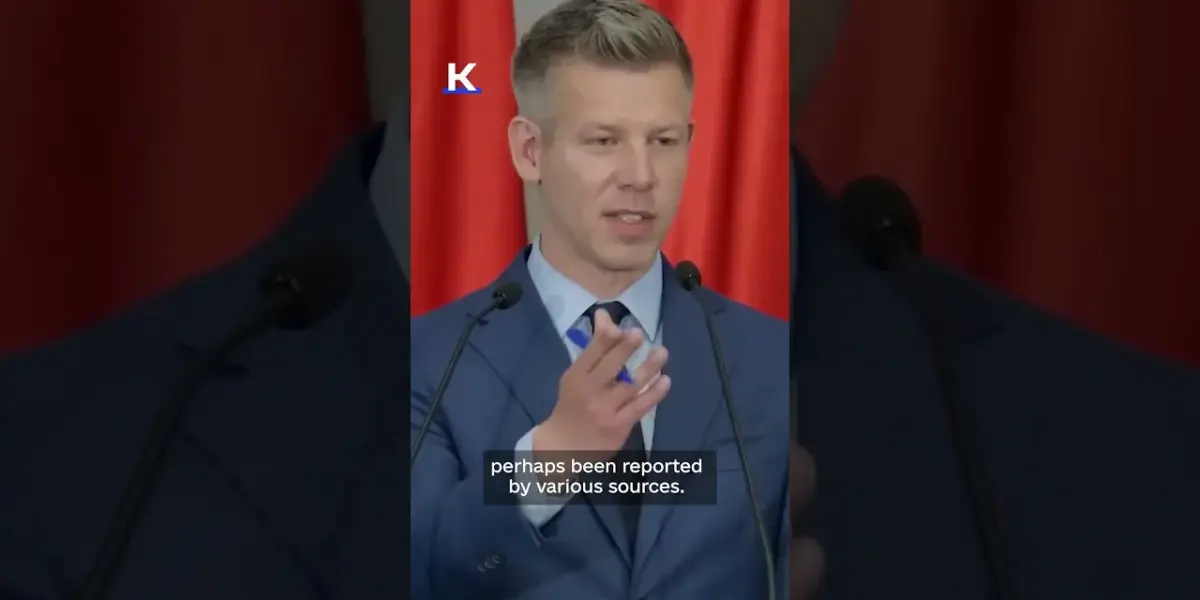
Hungary Presses Ukraine to Restore Druzhba Oil Flow
Hungary is urging Ukraine to reopen the southern branch of the Druzhba oil pipeline, a critical artery for supplying Russian crude oil to the Central European nation. Hungarian Minister of Foreign Affairs and Trade Péter Szijjártó directly addressed Ukrainian President Volodymyr Zelenskyy, stating that the reopening of the pipeline is not a game. He emphasized that if the pipeline is capable of transporting oil, Ukraine should fulfill its promises and allow the flow to resume.
The Druzhba pipeline, meaning ‘Friendship’ in Russian, is a vast network that stretches across Eastern Europe. The southern branch specifically supplies oil to Hungary, Slovakia, and the Czech Republic. Its operation is essential for Hungary’s energy security, providing a significant portion of its crude oil needs.
Call for Russian Cooperation
Szijjártó also called on Russia to resume pumping oil through the pipeline. He clearly stated that the system cannot function without oil being supplied from the Russian side. This dual request highlights Hungary’s reliance on both transit countries and the oil producer to maintain its energy supply chain.
Sources suggest that the resumption of oil flow could happen in the coming days. This information has reportedly been announced by various sources, indicating a potential shift in the situation. Hungary is closely watching for these developments to ensure its energy needs are met.
Hungary Warns Against ‘Blackmail’
The Hungarian minister issued a strong warning against any form of political pressure or ‘blackmail’ regarding the pipeline’s operation. Szijjártó stated that he does not know President Zelenskyy personally but advised him against pursuing such tactics. He asserted that Hungary would not tolerate such actions.
Szijjártó further warned that not only Hungary but also the broader European leadership would reject any attempts at coercion. This suggests that Budapest believes Ukraine’s actions on this matter have wider implications for European energy policy and inter-state relations. The Hungarian government views the dispute as a matter of principle concerning energy transit and fair cooperation.
Strategic Implications
The Druzhba pipeline’s southern branch is a vital piece of energy infrastructure. Its closure directly impacts Hungary’s ability to secure affordable crude oil, affecting everything from fuel prices at the pump to industrial production. The pipeline’s rerouting or alternative supply lines are often more expensive and logistically complex.
Restoring the flow through Druzhba would ease energy concerns for Hungary and potentially stabilize regional energy markets. It also touches upon broader European efforts to manage energy supplies amidst geopolitical tensions. Hungary’s firm stance highlights the importance of energy transit routes for landlocked nations.
Historical Context
The Druzhba pipeline has a long history, originating in the Soviet era as a symbol of energy cooperation within the Eastern Bloc. Its continued operation through multiple independent nations highlights the enduring importance of cross-border energy infrastructure, even as political relationships evolve.
Disruptions to this pipeline have occurred before, often linked to economic disputes or political disagreements between transit countries and Russia. Each interruption is a reminder of the vulnerabilities inherent in long, complex energy supply chains. Hungary’s current appeal is part of this ongoing narrative of managing energy security in a challenging geopolitical environment.
What This Means on the Ground
For Hungary, the reopening of the Druzhba pipeline means a return to a more stable and cost-effective source of crude oil. This could translate into lower prices for consumers and reduced operating costs for industries reliant on petroleum products. It also reduces Hungary’s dependence on potentially more volatile or expensive alternative supply routes.
The situation highlights the delicate balance of energy politics in Europe. Hungary’s public stance suggests it is prepared to confront Ukraine diplomatically over issues it deems critical to its national interests. The outcome of this dispute could influence future energy negotiations and transit agreements within the region.
Future Outlook
Hungary expects the oil flow to resume soon, based on available information. The government’s clear communication indicates a strong desire for a swift resolution. The coming days will be crucial in determining whether the Druzhba pipeline’s southern branch is reactivated as requested.
Source: Hungary’s Magyar urges Ukraine to reopen Druzhba oil pipeline (YouTube)

Related Articles


Europe Faces Energy Crisis as Trump Demands Self-Sufficiency
President Trump is pushing European allies to secure their own energy, potentially reshaping global markets. Meanwhile, TSA lines are shortening as agents receive paychecks amid a DHS shutdown, with lawmakers seeking ways to reopen the department.
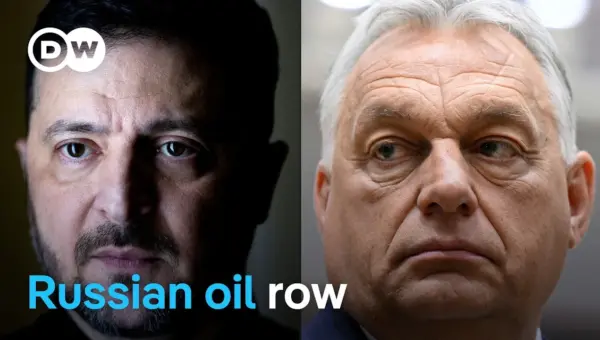
EU Rebuke: Ukraine-Hungary Oil Spat Escalates Over Russian Crude
The European Commission has condemned Ukrainian President Zelenskyy's threats against Hungarian Prime Minister Orbán amid a dispute over Russian oil deliveries via the Druzhba pipeline. Hungary's blocking of crucial EU aid to Ukraine, coupled with a recent seizure of Ukrainian cash and gold by Hungarian authorities, has escalated tensions between the two nations.

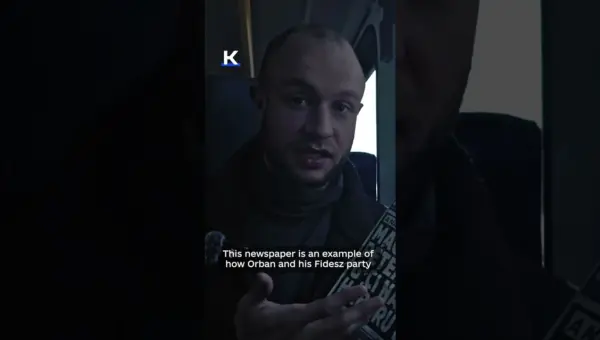
Hungary’s Media Dominance: Orban’s Soft Authoritarianism
Prime Minister Viktor Orban's government in Hungary has heavily influenced the media, a tactic described as "soft authoritarianism." While avoiding overt repression, this strategy saturates the information space with government propaganda, creating an uneven playing field for independent media and potentially facing public discontent.