Iran Regime Faces Financial Squeeze, Experts Warn
Experts are calling for a comprehensive financial squeeze on the Iranian regime, targeting its offshore banking assets and global businesses. This strategy aims to cripple the regime's ability to fund its operations amid widespread human rights abuses and brutal crackdowns on protests. The economic pressure is seen as a critical tool to counter the regime's actions.

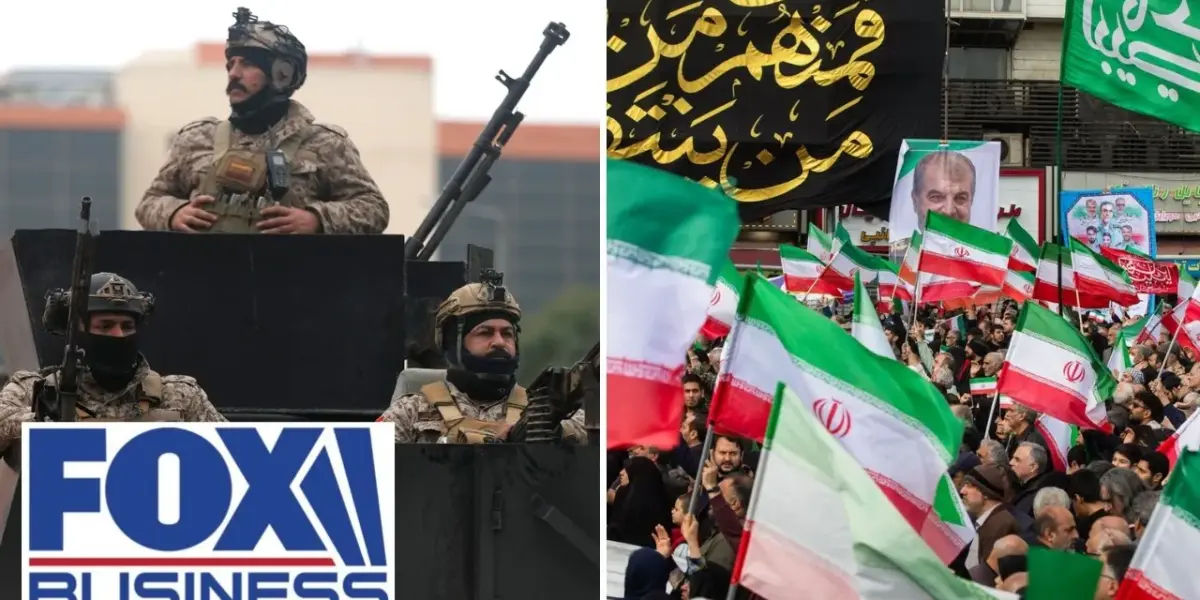
Iran’s Financial Lifelines Targeted Amid Human Rights Crisis
The Iranian regime is facing intense international pressure as calls grow to freeze its offshore banking assets and cripple its financial operations. This push comes amid widespread reports of brutal crackdowns on protests and severe human rights abuses within the country. Former U.S. energy officials and commerce department experts argue that a financial squeeze is a critical tool to counter the regime’s actions.
Tala Goudarzi, a former Commerce Department official with family ties to Iran, described the current situation as dire. She highlighted that thousands of people have died in the past 51 days due to the ongoing conflict and the regime’s suppression of dissent. Many are reportedly killed publicly or disappear after being moved to undisclosed locations, with their parents later notified of their deaths.
The victims are often young adults, aged 18 to 35, who are protesting for basic freedoms. These include the right to express themselves publicly and practice their chosen religions, rights that have been denied for decades. These young people are fighting for fundamental liberties that have been systematically taken away.
Economic Pressure as a Key Strategy
Larry, a commentator, emphasized the need to target the regime’s financial infrastructure. He drew parallels between the Iranian government’s operations and a cartel, suggesting that many officials control significant business interests and hold offshore accounts. The strategy involves not only restricting oil revenue but also freezing these banking assets to prevent the regime from funding its operations and paying its employees.
“We’re bottling them up in terms of the Iranian oil ports, okay? They’re not going to get any money there, so I think won’t make payroll.
And their retirement plans are going down. But I want to make sure their banking assets are gone too,” Larry stated, highlighting the complex approach needed.
Dan Brouillette, former U.S. Secretary of Energy, agreed that the financial pressure must extend beyond oil revenues. He noted that the regime operates businesses globally, and their assets are often held in offshore accounts in places like the UAE, Bahrain, Turkey, and Azerbaijan. Brouillette stressed that the U.S. has a strategic advantage through the dollar and the global banking system.
Targeting Offshore Accounts and Commerce
Brouillette explained that any financial transaction involving Iranian commerce should be subject to immediate scrutiny and potential sanctions from the U.S. Treasury. This approach aims to make international banking extremely difficult and risky for the regime. The goal is to cut off all financial lifelines, not just those directly tied to oil sales.
The effectiveness of this financial strategy is further supported by Iran’s current oil revenue situation. Experts point out that Iran’s break-even point for its economy is around $120 per barrel, yet it is currently selling oil at approximately $60 per barrel. This significant gap means the regime is already operating at a substantial deficit.
“You don’t need a Ph.D. In economics to figure out that the money is where the action is.
If we freeze it — yes. I tell you, you blockade the ports and please the money, and they’re going to go down even faster — and freeze the money,” Larry added.
Market Impact and Investor Considerations
The ongoing efforts to impose financial sanctions on Iran have broader implications for global markets and investors. By targeting the regime’s access to funds, international bodies aim to diminish its capacity to fund illicit activities, support regional instability, and suppress its own population.
For investors, understanding the geopolitical risks associated with countries under stringent financial sanctions is crucial. Companies with exposure to Iran or those operating in regions heavily influenced by Iranian commerce may face increased compliance burdens and potential disruptions. The U.S. Treasury’s actions and the broader economic squeeze on Iran suggest a sustained period of financial pressure.
The strategy highlights how financial tools can be used as powerful instruments in international relations and national security. The focus remains on intensifying the economic and financial pressure week after week to compel a change in the regime’s behavior. The ultimate aim is to weaken the regime’s grip on power and its ability to operate internationally.
The effectiveness of these financial measures will likely be monitored closely by global financial institutions and governments. The U.S. Treasury Department continues to play a central role in implementing and enforcing these sanctions. The situation in Iran remains dynamic, with significant attention on the economic fallout of international pressure.
Source: Iranian regime is ‘TRULY MEDIEVAL’: Former US energy official (YouTube)

Related Articles

Economists Urge Tougher Iran Sanctions, Banking Blockade
Economists Art Laffer and Steve Moore are pushing for a financial crackdown on Iran, including seizing overseas assets and imposing a banking blockade. They argue this personal approach would be more effective than current oil sanctions alone in pressuring the regime.

Iran Faces Financial Collapse: Sanctions Intensify
The U.S. Treasury's "Operation Economic Fury" is intensifying financial pressure on Iran by blocking ports and freezing assets. Billions in overseas accounts are targeted, with seizure and secondary sanctions proposed. This strategy aims to cripple the Iranian regime's funding and force its end.


Kuwaiti-American Journalist Held 7 Weeks, Faces New Law
Kuwaiti-American journalist Ahmed Shihab-Eldin has been detained for seven weeks under a new law enacted shortly after his arrest. The Committee to Protect Journalists is raising concerns, citing past U.N. criticism of Kuwait's custody practices. The case highlights ongoing global challenges to press freedom.