SCOTUS Now a ‘Frankenstein Monster,’ Legal Expert Warns
Legal expert Sherrilyn Ifill warns that the Supreme Court's conservative majority has transformed the institution into a "Frankenstein monster." She argues the court's majority believes it alone can decide when to check presidential power, potentially undermining democratic accountability. Ifill's critique raises serious questions about the court's role and its impact on public trust in the justice system.

Supreme Court Criticized as ‘Frankenstein Monster’
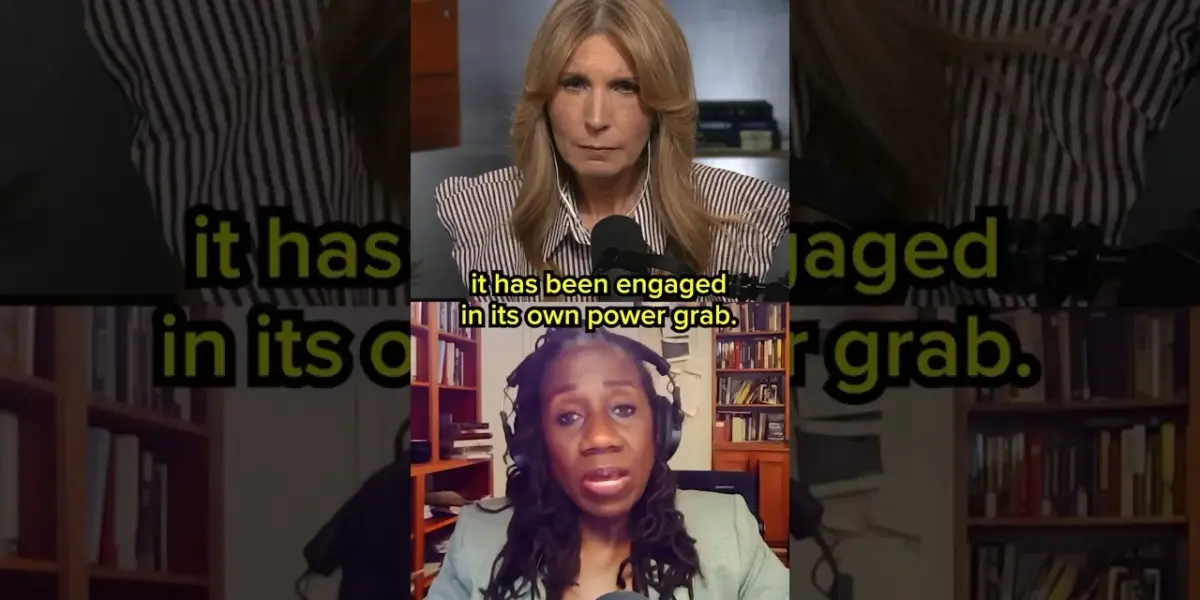
Legal expert Sherrilyn Ifill has voiced strong concerns about the current state of the Supreme Court, comparing its conservative majority to a self-created “Frankenstein monster.” Ifill, speaking on “The Best People with Nicolle Wallace,” suggested that the court’s majority believes it alone holds the authority to limit presidential power. This perspective, she argues, has led to a dangerous distortion of the court’s role in American governance.
The “Frankenstein” analogy highlights a creation that has grown beyond its creator’s control, often with unintended and negative consequences. Ifill’s critique implies that the court, through its recent decisions and perceived ideological leanings, has become an entity that operates outside established norms and potentially threatens the balance of power it is meant to uphold. Her comments point to a growing unease among legal scholars about the court’s direction and its impact on democratic institutions.
Concerns Over Presidential Power Checks
Ifill specifically pointed to the majority’s view on presidential accountability. She stated that the majority seems to believe they “alone have the power to determine when the president should be checked.” This suggests a belief that the court can, and should, decide when and if presidential actions require judicial review or limitation. Such a stance could allow for unchecked executive authority, as the court might defer to presidential actions it deems beyond its purview.
This concern is particularly relevant in light of ongoing debates about presidential immunity and executive power. If the court sees itself as the sole arbiter of when to intervene, it could create loopholes for presidents to act without fear of legal consequence.
The judiciary’s role is traditionally to interpret laws and ensure they are applied fairly, acting as a crucial check on the other branches of government. A court that opts out of this role, even selectively, could weaken democratic safeguards.
Broader Implications for American Justice
The implications of Ifill’s assessment extend beyond presidential power. A Supreme Court perceived as acting with its own agenda, rather than impartially interpreting the law, can erode public trust.
When citizens lose faith in the judiciary, the rule of law itself is threatened. This erosion can lead to increased political polarization and a sense of injustice among those who feel the court is not serving all people equally.
The court’s legitimacy is built on the foundation of public confidence in its fairness and independence. Ifill’s comments suggest that this foundation is being undermined.
The idea of a “Frankenstein monster” implies a loss of control, where the court’s actions may be driven by internal dynamics or ideological imperatives rather than a consistent application of legal principles. This could lead to unpredictable rulings and a legal system that feels arbitrary to the public.
The Judiciary’s Role in a Democracy
Historically, the Supreme Court has served as the ultimate interpreter of the Constitution and federal law. Its decisions shape American society in profound ways, from civil rights to economic policy.
The court’s power, though significant, is intended to be exercised with restraint and a deep respect for precedent and the separation of powers. The nine justices are meant to be impartial arbiters, not political actors shaping policy through their rulings.
The current debate surrounding the court touches on fundamental questions about judicial review and the balance between different branches of government. Ifill’s critical assessment urges a reconsideration of how the court’s power is wielded and whether its current composition and approach are serving the interests of justice and democratic accountability. The critique suggests a need for introspection within the court and a renewed focus on its role as a neutral enforcer of laws.
Looking Ahead: What’s Next for SCOTUS?
Sherrilyn Ifill’s stark warning about the Supreme Court becoming a “Frankenstein monster” is a call to attention for the public and legal community. The coming months will likely see continued scrutiny of the court’s decisions, particularly those involving executive power and constitutional interpretation. Observers will be watching closely to see if the court’s majority adjusts its approach or if Ifill’s fears about unchecked power and diminished public trust continue to materialize.
Source: Legal expert says SCOTUS "has become its own Frankenstein" (YouTube)

Related Articles


Trump Tariffs Refunded: Billions Now Flowing Back to Businesses
Businesses can now claim refunds for certain Trump-era tariffs following a Supreme Court ruling. U.S. Customs and Border Protection is managing the process, which involves billions of dollars in deposits. This development could provide significant financial relief to companies impacted by the tariffs.
Colorado Preschool Case Puts Faith vs. Rights on Supreme Court Docket
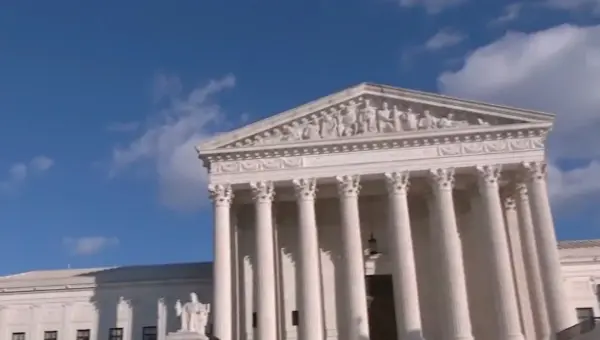
The Supreme Court will review a Colorado case concerning taxpayer-funded preschools and anti-discrimination laws. The case questions whether religious schools receiving public funds must enroll children of same-sex couples, testing the balance between religious freedom and equal rights.

Trump’s Tariffs Declared Unconstitutional; Government Repays Billions
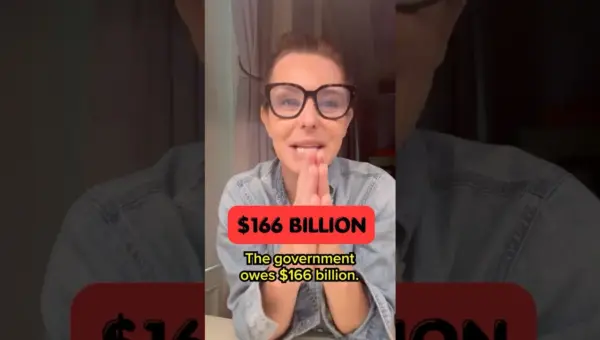
The U.S. government is returning $166 billion after the Supreme Court ruled Trump-era tariffs unconstitutional. This landmark decision allows businesses to recoup costs from duties deemed unlawful. The repayment signals a significant financial relief and a potential shift in future trade policy implementation.