Trump’s Iran Standoff: A Tightrope Walk to Nowhere
The U.S. faces a volatile situation with Iran, marked by Trump's inconsistent diplomacy and a search for cease-fire extensions. Internal administration turmoil and questionable reporting practices add to the chaos, while control of the Strait of Hormuz remains a key point of contention. This creates a dangerous stalemate with significant global economic and security implications.


Trump’s Iran Standoff: A Tightrope Walk to Nowhere
The situation with Iran has taken a dramatic turn, shifting from threats of obliteration to desperate pleas for extensions. Donald Trump’s approach has been a whirlwind of conflicting statements, leaving allies and adversaries alike confused.
One moment, he speaks of total victory and Iran’s surrender; the next, he’s seeking a cease-fire extension. This erratic behavior has created a deeply unstable environment in a critical global region.
This constant back-and-forth is not just confusing; it’s dangerous. It leaves nations in the Middle East on edge, fearing a return to open conflict.
The United States’ own position has become unclear, with allies questioning its reliability. The core issue seems to be who truly controls vital shipping lanes like the Strait of Hormuz, a point of contention that predates the current crisis.
The Shifting Sands of Diplomacy
What started with strong rhetoric about opening the Strait of Hormuz and Iran’s nuclear dust has devolved into a prolonged negotiation for a simple two-week extension of a cease-fire. Trump’s administration initially claimed Iran had agreed to all terms, including ceasing support for proxy groups. However, this narrative quickly crumbled, with Iran reportedly refusing further talks unless the U.S. accepts their proposed framework.
This Iranian framework, as detailed, includes lifting all sanctions, removing UN resolutions, and Iran retaining control over the Strait of Hormuz, allowing them to charge tolls. It also permits continued uranium enrichment and ballistic missile programs, alongside permanent security guarantees for Iran and its allies like Hezbollah. Trump himself previously reposted the Iranian foreign minister’s outline of these terms, suggesting a prior willingness to consider them.
A Cabinet in Turmoil
Adding to the chaos, the Trump administration has seen a string of high-profile departures. Three women have been forced out of cabinet positions: Christine Nome, Pam Bondi, and most recently, Labor Secretary Lori Chavez-DeRemer. While officially framed as resignations, the circumstances suggest otherwise, with investigations into improper spending and allegations of creating a hostile work environment.
Chavez-DeRemer’s tenure was marked by controversy, including placing a banner comparing Trump to authoritarian leaders on the Labor Department building. Her husband was also reportedly under investigation for misconduct within the department. These exits paint a picture of a White House plagued by internal strife and questionable conduct among its leadership.
Journalism Under Fire
The way this news is being reported has also come under scrutiny. There’s a growing concern that some journalists are acting as mere stenographers for Trump, uncritically repeating his statements.
This approach, often seen in social media posts and interviews, fails to provide the necessary context or fact-checking. It allows misinformation to spread, especially during times of international tension.
The transcript highlights a frustration with reporters who simply state, “I just spoke to President Trump and he said…” without questioning the validity of his claims. This is particularly problematic when dealing with adversaries like Iran, where information can be deliberately misleading. The reliance on Trump’s unverified statements risks manipulating public perception and even financial markets.
The Strait of Hormuz: A Symbol of Control
The control of the Strait of Hormuz remains a central issue. Before the recent conflict, the strait was largely open to free commerce.
Now, it appears to be under significant Iranian influence, with ships potentially having to navigate controlled routes. This shift in control is a tangible consequence of the escalating tensions and the breakdown of diplomatic efforts.
Trump’s strategy seems to involve a blockade, which is presented as a show of strength. However, critics argue this makes the U.S. appear more like pirates than a global power.
This tactic, while intended to pressure Iran into negotiations, may actually hinder them. Iran insists on respect for its sovereignty and its framework before agreeing to talks.
Caught in ‘No Man’s Land’
Currently, Trump appears to be in a diplomatic and military stalemate, a situation described as ‘no man’s land.’ He is neither committing to a full-scale invasion, which military leaders suggest would be catastrophic, nor has he secured a favorable negotiation outcome. The strategy of seeking repeated two-week extensions of the cease-fire is seen as an attempt to delay the inevitable and avoid admitting defeat.
This prolonged uncertainty has significant economic consequences. The disruption to oil shipments and other vital resources could lead to long-term supply shocks and price increases globally. The U.S. security umbrella in the Middle East, once seen as reliable, is now being questioned by regional allies who feel blindsided and unprotected.
Why This Matters
The ongoing standoff with Iran and the internal turmoil within the Trump administration have far-reaching implications. The inconsistent foreign policy signals a lack of clear strategy, potentially emboldening adversaries and alienating allies. The economic fallout from disrupted trade routes and potential oil shocks will affect global markets for years to come.
The erosion of trust in U.S. security guarantees could destabilize the Middle East further. The reliance on short-term cease-fire extensions, rather than a comprehensive peace strategy, suggests a failure to address the root causes of the conflict. This approach risks prolonging instability and increasing the likelihood of future confrontations.
Historical Context and Future Outlook
This situation echoes past diplomatic failures and escalations. The decision to withdraw from the Obama-era Iran nuclear deal (JCPOA) is often cited as a turning point that led to the current crisis. While Trump claims his proposed deal will be far better than the JCPOA, critics argue he has inadvertently strengthened Iran’s regional influence.
The future outlook remains uncertain. Without a clear and consistent strategy, the U.S. risks remaining in this precarious ‘no man’s land.’ The hope for a swift resolution through repeated extensions seems unlikely to succeed. The situation demands a return to stable diplomacy and a commitment to addressing the core issues, rather than relying on short-term tactical maneuvers.
The immediate next step involves observing whether the current two-week cease-fire extension will be granted and what terms, if any, will be agreed upon. The world watches to see if a stable path forward can be found, or if the cycle of confrontation and uncertainty will continue.
Source: LIVE: MeidasTouch RESPONDS to MAJOR BREAKING NEWS – 4/20/26 (YouTube)

Related Articles
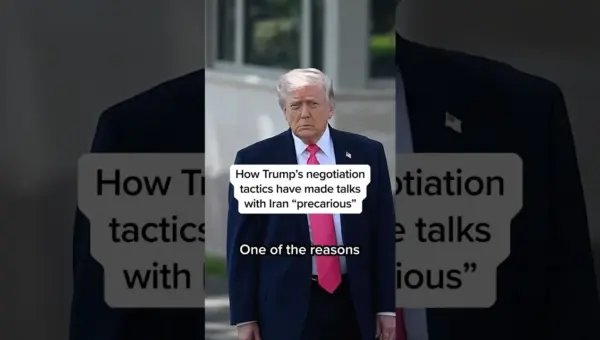
Trump’s Tactics Threaten Iran Peace Talks, Analyst Warns
Vice President JD Vance is set to lead new peace talks with Iran in Pakistan. Analyst David Rohde warns that former President Trump's unpredictable negotiation tactics may have created deep distrust, making current diplomatic efforts precarious. This history could force the U.S. back to square one in its quest for peace.

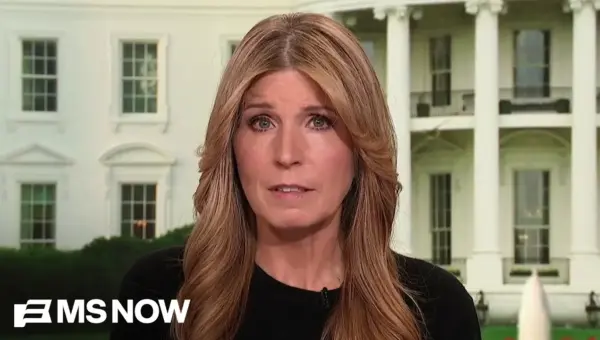
Trump’s Iran Policy: War Bravado Meets Diplomatic Chaos
As a fragile ceasefire nears its end, Donald Trump's volatile rhetoric and erratic decision-making are casting a shadow over potential peace talks with Iran. A new report details his behind-the-scenes anxieties and fears of repeating past foreign policy failures, while public opinion remains largely negative.

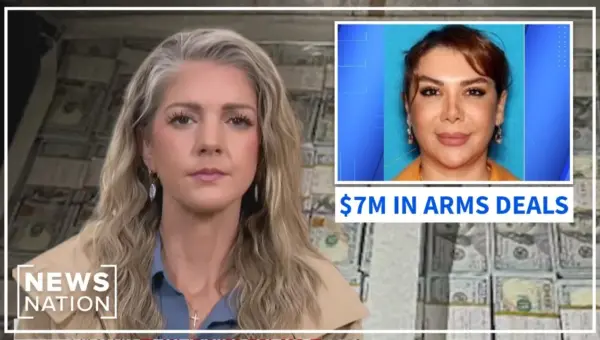
US Arrests Woman Suspected of Arming Iran’s Global Operations
A Los Angeles woman, Shamima Mafia, has been arrested and accused of brokering illegal arms deals for Iran. Authorities claim she facilitated the sale of Iranian-made weapons and ammunition, allegedly destined for Sudan, generating millions in payments. The case highlights the difficulties in tracking international arms trafficking networks.