Stock Market Hits Record Highs Amid Economic Uncertainty
The U.S. stock market has reached 53 all-time highs, yet economic challenges like inflation and affordability persist. Policy decisions on tariffs, housing, and healthcare are creating a complex environment for consumers and investors alike.

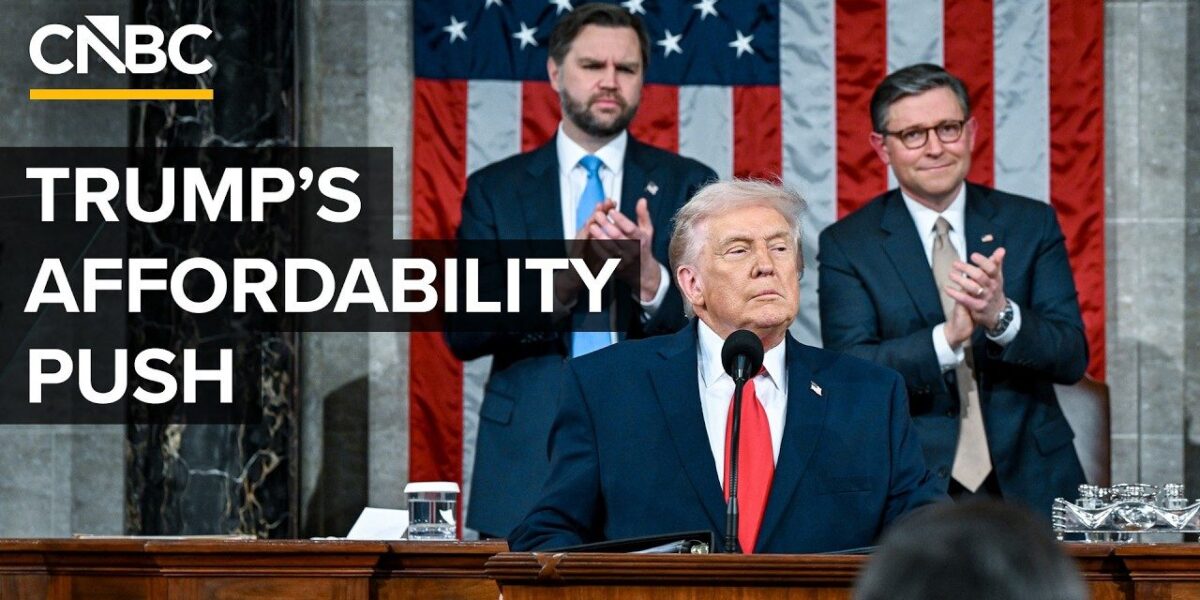
Stock Market Surges to Record Highs Despite Economic Headwinds
The U.S. stock market has demonstrated remarkable resilience, achieving 53 all-time record highs since the last election cycle. This performance, however, unfolds against a backdrop of persistent economic challenges and policy uncertainties, particularly concerning inflation and affordability, as the nation approaches the 2026 midterm elections.
Affordability Remains a Key Concern
Presidential efforts to combat rising prices and address consumer affordability are a central focus. While the administration is pursuing various policies intended to ease economic pressure, significant hurdles remain. A key point of contention and a potential economic lever lies in the continuation of tariffs imposed on imported goods. These tariffs have generated hundreds of billions of dollars, which proponents argue serve both economic and national security interests.
“The very best thing the President could do in order to address the affordability issue is to eliminate the tariffs.”
Despite the potential benefits of tariff reduction, many political observers believe this is an unlikely course of action for the administration. The impact of these tariffs on consumer prices is a subject of ongoing debate among economists. Some suggest that the bulk of the price increase has already been absorbed by consumers. Others contend that businesses, having pre-ordered goods, may not have fully passed on the tariff costs. Furthermore, companies that have absorbed these costs to protect profit margins may eventually seek to recoup them, potentially leading to further price increases in the coming months.
Housing Market Interventions and Their Impact
In an effort to cool the housing market, an executive order was signed to prevent large Wall Street investment firms from acquiring single-family homes in significant quantities. However, the effectiveness of this ban is being questioned. Institutional investors currently own a relatively small fraction of the total housing stock, meaning the policy’s impact may be marginal. While it could slightly help affordability by removing a class of buyers, it might also reduce overall market demand. Housing prices have been trending downward, which will contribute positively to inflation metrics, but the immediate relief for homeowners struggling with monthly costs is not guaranteed.
Tax Policies and Consumer Windfalls
A significant piece of legislation, referred to as the “One Big Beautiful Bill,” enacted mid-last year and made retroactive, offers tax relief, including no taxes on tips and overtime, and exemptions for Social Security benefits. A notable observation is that many individuals did not adjust their tax withholdings to reflect these changes. Consequently, taxpayers may experience an unexpected financial boost, particularly from overtime wages and untaxed tips, when filing their returns. This could result in a larger tax refund, especially in the first half of the year. The economic question remains whether this perceived financial gain will be viewed as a sustainable change or a one-time event, influencing consumer spending habits.
Healthcare Costs and Policy Offsets
The administration’s initiative to reduce the cost of prescription drugs, known as TrumpRx, aims to provide relief. However, this potential benefit could be counteracted by rising health insurance premiums. These increases may stem from natural market forces and the potential expiration of subsidies. The net effect on a household’s total healthcare expenditure could be neutral, with the savings from prescription drugs offset by higher insurance costs. This complex interplay means the perceived impact of TrumpRx on overall healthcare affordability might be limited.
Economic Indicators and Policy Lags
Various administration policies are seen as having distorted the economic landscape, making it challenging to ascertain the economy’s true momentum. Inflation numbers, which have remained stubbornly high, suggest that the economy might be overheating. A significant challenge for any administration is the timing of economic stimulus measures. There are inherent lags between policy enactment, bureaucratic implementation, consumer perception, and the eventual impact on the broader economy. These delays often make it difficult for stimulus efforts to align precisely with electoral timelines.
Investor Takeaways
The current market environment presents a dichotomy: record-breaking stock performance juxtaposed with persistent concerns about inflation and affordability. Investors are navigating a landscape where policy decisions, such as tariffs and housing market interventions, can have tangible, albeit sometimes uncertain, effects. The “One Big Beautiful Bill” may provide a temporary boost to consumer finances, but its long-term impact on spending is yet to be determined. Similarly, the net effect of healthcare policies hinges on the balance between prescription drug cost reductions and rising insurance premiums. The difficulty in accurately gauging the economy’s temperature due to policy distortions and the inherent lags in stimulus impact underscores the need for a cautious and data-driven approach to investment strategy.
Historically, public opinion regarding economic performance and political leadership tends to solidify well before elections. This suggests that even if economic conditions improve in the short term, it may be challenging to sway established voter sentiment. Investors should monitor key economic indicators, particularly inflation data and consumer spending patterns, while remaining aware of the potential for policy shifts and their subsequent market reactions.
Source: Can Trump And His Policies Turn The Economy Around Before The 2026 Midterm Elections (YouTube)

Related Articles
Trump Tax Cuts Failed Working Americans, Ex-Obama Aide Claims
Former Obama official Jim Messina argues that Trump's tax cuts primarily benefited the wealthy, failing to provide relief to average Americans struggling with rising gas and grocery prices. He suggests that while tax-free tips offer some help to specific workers, broader economic issues are more influential for most voters.


High Debt Forces Fed’s Hand, Paving Way for Rate Cuts
Massive U.S. debt is limiting the Federal Reserve's ability to fight inflation, potentially forcing interest rate cuts. This delicate balancing act risks higher inflation and impacts the real estate market, creating both challenges and opportunities.

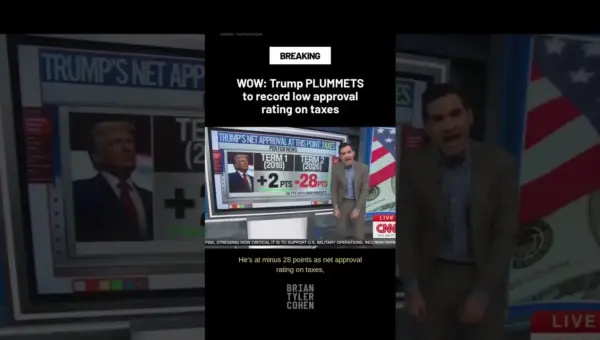
Trump’s Tax Plan Backfires: Approval Rating Plummets
Donald Trump's approval rating on taxes has fallen 30 points since his first term, reaching a new low of minus 28. This sharp decline, particularly among independent voters who are 58 points underwater, suggests the public does not credit him for tax cuts.