Trump Seeks Medal of Honor: A Tarnished Legacy?
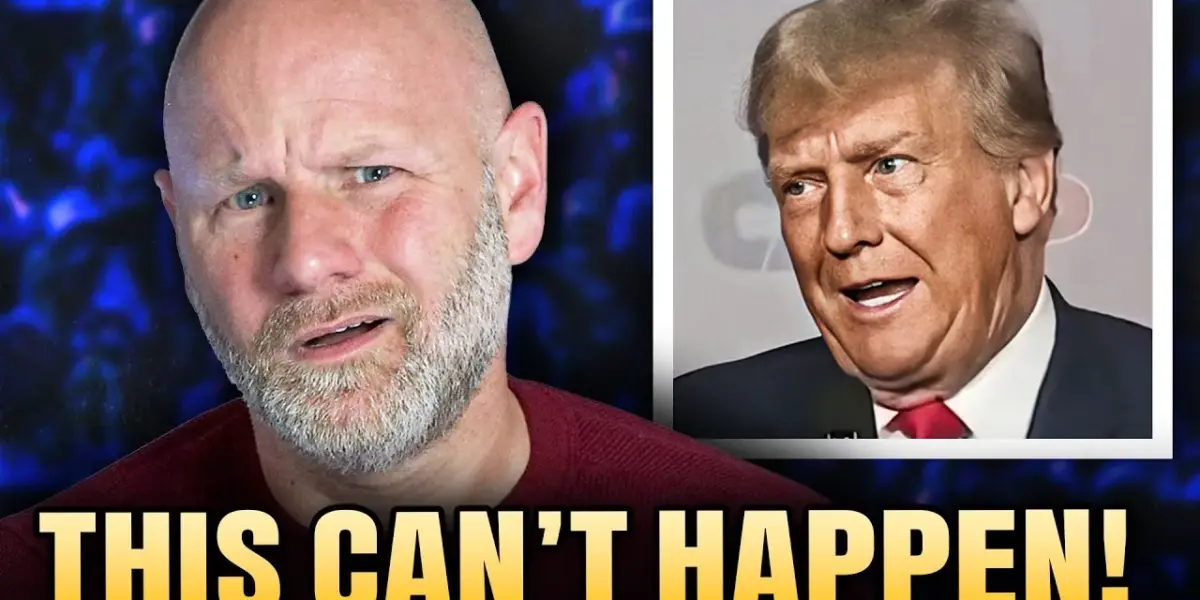
A report suggests Donald Trump is considering awarding himself the Medal of Honor, the U.S.'s highest military award. This potential move has sparked debate about presidential power and the integrity of military honors. Critics argue it would devalue the medal and disrespect genuine heroes.

Trump Seeks Medal of Honor: A Tarnished Legacy?
A recent report suggests former President Donald Trump is considering awarding himself the Medal of Honor. This highest military honor, given for extreme bravery, is meant for those who go above and beyond in combat. The idea itself sparks debate about presidential power and the nature of recognition.
Trump’s past actions already show a pattern of seeking accolades. He has been associated with receiving other awards, sometimes created for him or given by organizations to honor his political movement.
This includes awards from his own party and even a special prize from a soccer organization. These instances suggest a strong desire for public acknowledgment.
The Medal of Honor: A Sacred Trust
The Medal of Honor is not just another award; it is the pinnacle of military recognition. It signifies acts of valor where a service member risked their life and went to the extreme in the face of danger. Historically, recipients have displayed incredible courage in the heat of battle, saving lives or accomplishing critical missions against overwhelming odds.
The process for awarding the Medal of Honor is rigorous, involving recommendations from commanding officers and extensive review by military and government officials. It is intended to honor extraordinary heroism, not political service or general leadership. This makes the idea of a president awarding it to himself highly unusual and potentially controversial.
Arguments Against Self-Awarding
Critics argue that awarding oneself such a prestigious military honor would devalue its meaning. They believe it undermines the sacrifices of genuine heroes and disrespects the integrity of the award. The Medal of Honor is meant to be earned through exceptional bravery in life-or-death situations, not through executive action.
This perspective holds that such an action would be seen as self-serving, rather than a recognition of true merit. It could diminish the medal’s significance for all past and future recipients, making it seem like a political tool rather than a symbol of ultimate courage. This would be a disservice to the men and women who have truly earned it.
Why This Matters
The potential for a president to award himself the Medal of Honor touches on fundamental questions about power, honor, and accountability. It raises concerns about the abuse of authority and the erosion of institutions that hold deep meaning for the nation.
If such an award were to happen, it could set a dangerous precedent. It might suggest that presidential power is absolute, even when it comes to honoring military service. This could weaken public trust in the military’s award system and its traditional values.
Historical Context and Future Outlook
Historically, presidents have been commanders-in-chief, but awarding themselves the highest military honor is virtually unheard of and goes against the spirit of the award. While presidents have received honorary military titles or awards for their service, these are typically bestowed by external bodies or in recognition of broader contributions, not through self-decree for combat valor.
The future implications of such a move are significant. It could lead to increased scrutiny of presidential actions and a push for clearer ethical guidelines regarding the awarding of military honors. The public’s perception of the Medal of Honor could be permanently altered, potentially making it a symbol of political controversy rather than pure heroism.
Looking ahead, any move by a former president to award himself the Medal of Honor would likely face intense legal and public backlash. It would also spark a national conversation about the true meaning of valor and the responsibilities that come with high office. The integrity of military honors hangs in the balance.
The discussion around this potential award highlights a deeper issue: the perception of earned versus self-appointed recognition. While supporters might see it as a bold assertion of presidential prerogative, opponents view it as a profound disrespect to the military and its most sacred honors. The outcome, whatever it may be, will undoubtedly shape how future generations understand courage and leadership.
The report from the Wall Street Journal, citing administration insiders, indicates this is a serious consideration. The debate is not just about one award, but about the principles of honor, sacrifice, and the proper use of power in a democracy.
Source: Trump Wants To Award Himself The Medal Of Honor (YouTube)

Related Articles
Trump’s Iran Standoff: Diplomacy or Dangerous Game?
Iran has publicly defied President Trump's demands, refusing to attend negotiations unless the U.S. lifts its Persian Gulf blockade and stops issuing threats. Despite Iran's stance, the U.S. has sent an advance team, highlighting a tense diplomatic standoff. The situation is further complicated by conflicting public statements and social media rhetoric from both sides, raising questions about the path forward.
Rep. Smith: Trump Misrepresents Iran Talks, Escalation Risks
Congressman Adam Smith expressed significant concerns regarding the accuracy of President Trump's statements about U.S. negotiations with Iran. Smith stated that the talks are far from resolved and that Iran's demands remain vastly different from U.S. objectives. He also warned that escalating actions and threats against civilian infrastructure could be considered war crimes and harm U.S. credibility.

US Seizes Iranian Ship Amid Escalating Tensions
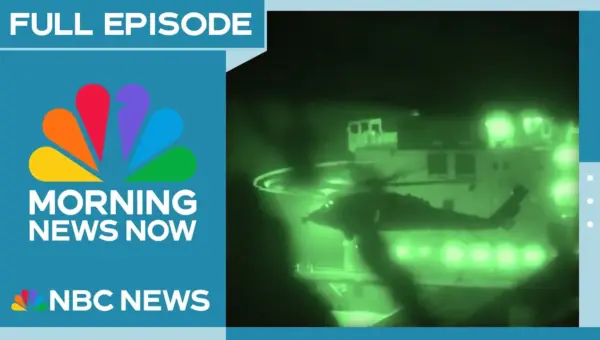
U.S. forces seized an Iranian-flagged cargo ship near the Strait of Hormuz, escalating tensions with Iran, which vowed retaliation. Peace talks remain uncertain as President Trump's approval rating dips amid global and domestic concerns. Elsewhere, a tragic mass shooting in Louisiana left eight children dead, while unseasonable snow surprised much of the Northeast.