Trump Won’t Rush Iran Deal, May End Ceasefire
President Trump stated he is in no rush to finalize a deal with Iran and is unlikely to extend the current ceasefire. Experts suggest this signals desperation, while conflicting messages from the administration add to the uncertainty surrounding the ongoing negotiations.

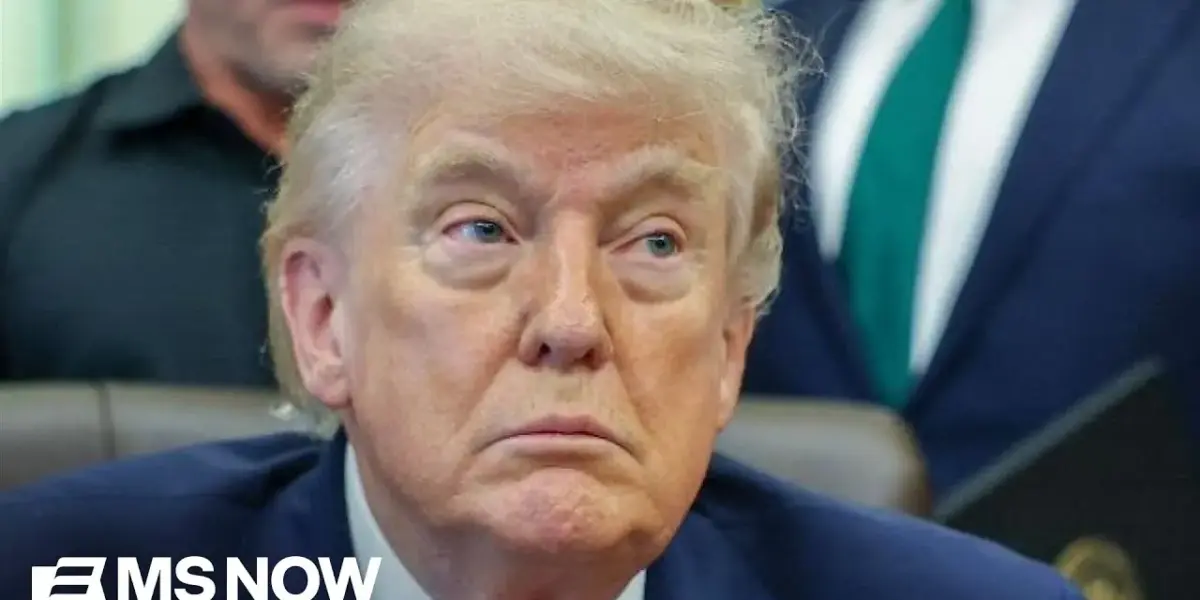
Trump Signals No Hurry for Iran Deal, May End Ceasefire
President Trump has indicated he will not be rushed into a deal with Iran, stating he is in no hurry to reach an agreement. In a recent conversation, he also expressed that he is unlikely to extend the current ceasefire. These statements signal a shift from his earlier stance of seeking a quick resolution.
Context and President’s Perspective
The President drew parallels to the long duration of conflicts in Vietnam, Afghanistan, and Korea to provide context for his patient approach. Despite the cautious tone regarding a deal, he did express some optimism, suggesting that talks could progress favorably for all parties involved. This suggests a complex diplomatic strategy is unfolding.
Expert Analysis: A Need for a Deal
Max Boot, a Senior Fellow at the Council on Foreign Relations and a Washington Post columnist, offered a different perspective. He suggested that President Trump’s claims of not needing a deal quickly should be viewed with skepticism. Boot believes the President is desperate for a resolution, citing the dispatch of Vice President Vance and a negotiating team to Islamabad even without guaranteed reciprocation from Iran.
“He’s obviously desperate for a deal. That’s why he sent Vice President Vance and his negotiating team to Islamabad even before there was any assurance that the Iranians were going to reciprocate and send a team of their own.”
Blockade Strategy Questioned
Boot suggested that the current blockade strategy against Iran might be counterproductive. He proposed an alternative: an open deal where the U.S. lifts its blockade in exchange for Iran reopening the Strait of Hormuz. This, he argued, would allow global commerce to flow, benefiting both nations and the world, while buying time to address more complex issues like the nuclear program.
Conflicting Messages and Negotiator Uncertainty
Adding to the complexity, there have been mixed messages from the administration regarding the war and the ongoing negotiations. While President Trump stated that J.D.
Vance and other negotiators would be leaving for Islamabad, details about the delegation and their specific roles have remained unclear. This lack of clarity has caused confusion, even within the White House.
President’s Public Statements and Potential Consequences
President Trump recently reverted to more forceful rhetoric on social media, threatening to target Iranian infrastructure if a deal is not accepted. Experts like Max Boot interpret these statements as improvisation rather than a strategic plan. They suggest that Iran perceives these threats as lacking credibility, especially since previous threats have not been carried out.
“The way the Iranians are reading it is that Trump is desperate for a deal and he’s bloviating, beating his chest, making threats. But those threats have decreasing credibility because he’s made these threats before and he hasn’t carried them out.”
The Risk of Escalation
The primary reason President Trump has not followed through on threats to target Iranian infrastructure, according to Boot, is the clear communication from Iran of potential retaliation. Such retaliation, targeting energy infrastructure in the Gulf, could severely worsen the existing energy crisis and harm the global economy. Therefore, Trump’s escalating threats are seen as a sign of his desire to end the conflict, not necessarily to start one.
Internal White House Dynamics
Jeff Mason, White House Correspondent for Bloomberg, reported that President Trump enjoys direct communication and that his instincts often guide his policy decisions. Despite having advisors and a press secretary, the President often bypasses traditional channels to communicate his messages directly. This untraditional approach has a significant impact on the policies he pursues, including the current conflict with Iran.
Looking Ahead
Negotiators are reportedly heading to Islamabad, but it remains uncertain if Iran will fully participate in the talks. The coming days will reveal whether the diplomatic approach will lead to a de-escalation or if the conflicting messages will continue to complicate the situation.
Source: Bloomberg: Trump won't be 'rushed' into 'bad deal,' 'unlikely' he'll extend ceasefire (YouTube)

Related Articles

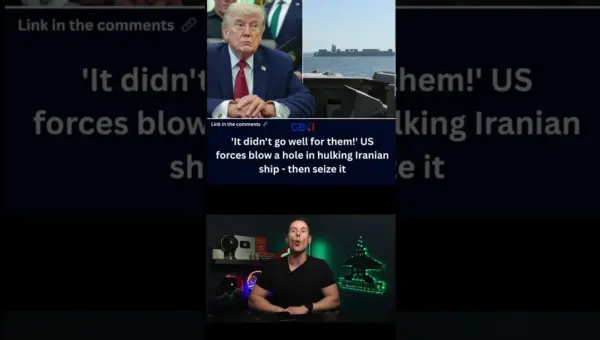
US Navy Blasts Iranian Ship Near Hormuz
U.S. naval forces seized the Iranian cargo ship Motor Vessel Touska near the Strait of Hormuz after a six-hour standoff. The USS Spruance disabled the ship with gunfire, and Marines from the 31st MEU took custody. This action escalates regional maritime tensions as a ceasefire deadline nears.
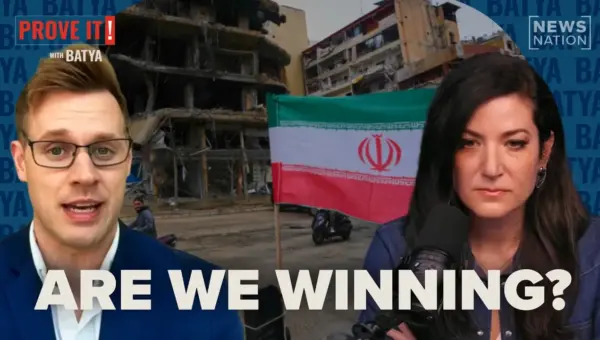
Trump’s Iran Standoff: A Risky Bet for Global Stability?
Libertarian journalist Robby Soave and host Batya debate President Trump's Iran strategy. Soave questions the long-term benefits versus the costs, while Batya highlights market confidence and strategic gains. The discussion covers military power, diplomatic goals, and the potential risks of nuclear proliferation.

Iran Clashes with US in Strait of Hormuz, Peace Talks Loom
A naval confrontation in the Strait of Hormuz between the U.S. and Iran has escalated tensions amid a fragile ceasefire. The incident, involving the seizure of an Iranian tanker by U.S. forces, complicates upcoming peace talks. Both nations are trading accusations, with experts questioning the administration's strategy and the potential for renewed conflict as the ceasefire nears expiration.