Iran Clashes with US in Strait of Hormuz, Peace Talks Loom
A naval confrontation in the Strait of Hormuz between the U.S. and Iran has escalated tensions amid a fragile ceasefire. The incident, involving the seizure of an Iranian tanker by U.S. forces, complicates upcoming peace talks. Both nations are trading accusations, with experts questioning the administration's strategy and the potential for renewed conflict as the ceasefire nears expiration.

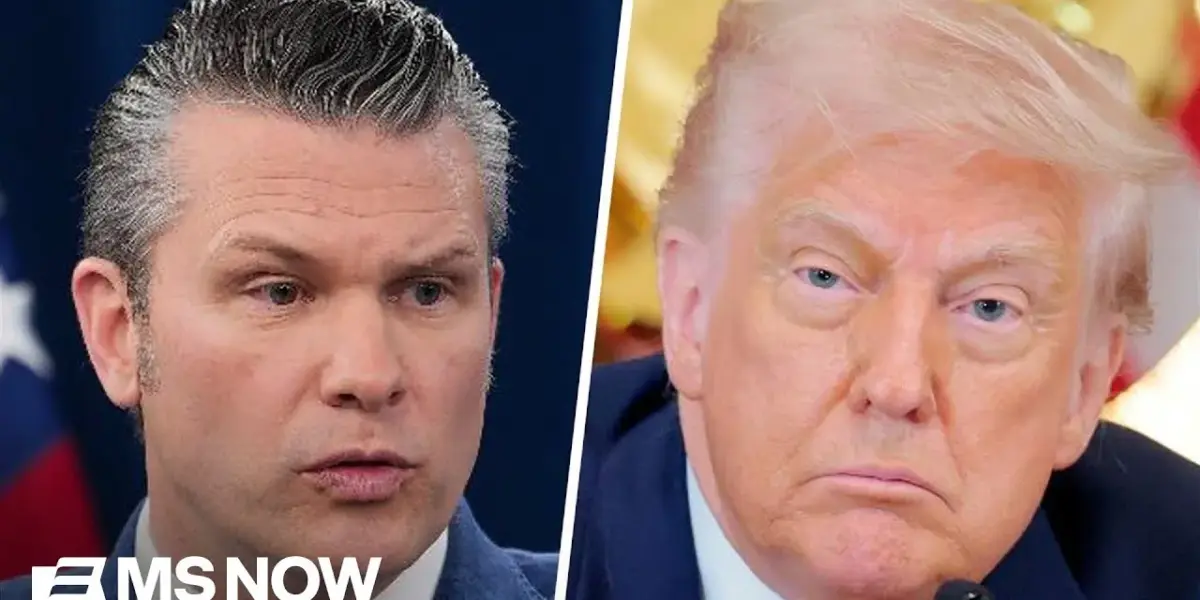
US and Iran Clash in Key Waterway Amid Fragile Ceasefire
A tense standoff has erupted in the Strait of Hormuz, a vital global oil shipping route, following a naval confrontation between the United States and Iran. The incident occurred just as a ceasefire was set to take effect, complicating potential peace talks and raising fears of renewed conflict. The events have left the American public uncertain about the true state of the conflict and its potential impact on global stability.
Naval Confrontation Escalates Tensions
The situation deteriorated rapidly over the weekend. Iran fired on two Indian oil tankers attempting to pass through the Strait of Hormuz.
In response, a U.S. destroyer tracked an Iranian vessel, the Tuska, for six hours. The U.S. had declared a blockade of Iranian ports, meaning nothing could enter or leave.
Despite repeated warnings to stop, the Iranian vessel continued its course. U.S. Marines subsequently boarded and took control of the tanker, marking the first time American forces have seized an Iranian ship. The crew of the captured tanker is now in American custody, adding another layer of complexity to the ongoing diplomatic efforts.
Conflicting Narratives Emerge from Both Sides
Iran’s Foreign Ministry initially stated that a ceasefire in Lebanon would lead to the reopening of the Strait of Hormuz. However, following the naval incident, Iran’s military force, the IRGC, asserted that Iran still controlled the strait and that it would remain closed. This apparent division within the Iranian government highlights the uncertainty surrounding their strategy moving forward.
U.S. officials, including President Trump, declared the strait open, but the subsequent events contradicted this assertion. Experts suggest that both sides are attempting to gain leverage before any potential negotiations, leading to a cycle of accusations and counter-accusations. This finger-pointing highlights a deep distrust between the two nations.
Peace Talks Hang in the Balance
Amidst the escalating tensions, peace talks were scheduled to take place in Islamabad, Pakistan. However, Iran had not yet officially agreed to attend the discussions. The U.S. delegation, including Vice President Vance, was en route, but Iran’s participation remained uncertain.
Ambassador Mark Ginsberg noted that neither side appears to have a clear vision for a negotiated agreement. He suggested that the talks might focus on fundamental issues like Iran’s nuclear program and the situation in the Strait of Hormuz. The deep mistrust and breakdown in communication between Iran’s military and civilian leadership further cloud the prospects for meaningful progress.
Iran’s Leverage in the Strait of Hormuz
The Strait of Hormuz has long been a critical point of leverage for Iran. Historically, Iran has used naval mines to control the waterway, particularly during its war with Iraq in the 1980s. Today, Iran possesses a significant arsenal of missiles and drones, making it easier to threaten commercial shipping without laying mines.
Mark Mazzetti, an investigative reporter, stated that Iran’s ability to disrupt shipping in the strait remains substantial. He criticized the U.S. administration for largely ignoring this threat, assuming Iran would not act as it had not done so in previous incidents. However, current circumstances are different, as Iran perceives the recent actions as an existential threat.
Military Options and Miscalculations
Colonel Mark Kansian suggested that while fully eliminating Iran’s ability to threaten the strait might be impossible, the U.S. could secure passage through a major combat operation. This would involve escorting ships, air support, and potentially seizing key islands. However, the administration has so far avoided such a large-scale military engagement.
Ambassador Ginsberg criticized President Trump’s optimistic pronouncements, arguing they often precede a deterioration of the situation. He believes the president and his defense secretary are misleading the American public into thinking the war is being fought on favorable terms. The idea of bombing Iran into submission is seen as unrealistic and counterproductive, ultimately harming both the Iranian and American people.
Looking Ahead: The Ceasefire Expiration
The current ceasefire is set to expire on Tuesday night. The outcome of this expiration is a major point of concern, with fears that the conflict could escalate significantly if no agreement is reached. The presence of Vice President Vance at the potential talks is seen as a positive sign, given that these are the highest-level discussions between the U.S. and Iran since the 1979 revolution.
The coming days will be critical in determining whether a path to de-escalation can be found or if the region will slide back into open conflict. Progress before the ceasefire deadline is crucial to avoid further instability and potential economic repercussions.
Source: Trump, Hegseth 'misleading' Americans into believing war is being fought on our terms: Fmr. Amb. (YouTube)

Related Articles

US Navy Blasts Iranian Ship Near Hormuz
U.S. naval forces seized the Iranian cargo ship Motor Vessel Touska near the Strait of Hormuz after a six-hour standoff. The USS Spruance disabled the ship with gunfire, and Marines from the 31st MEU took custody. This action escalates regional maritime tensions as a ceasefire deadline nears.

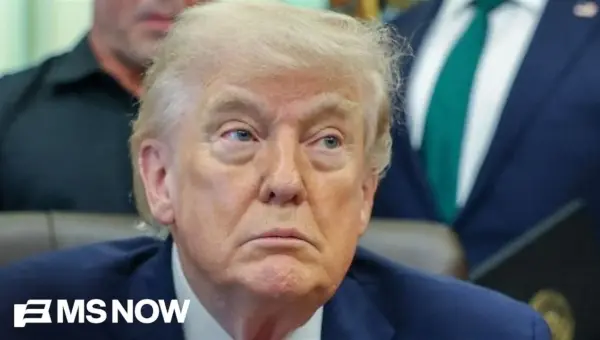
Trump Won’t Rush Iran Deal, May End Ceasefire
President Trump stated he is in no rush to finalize a deal with Iran and is unlikely to extend the current ceasefire. Experts suggest this signals desperation, while conflicting messages from the administration add to the uncertainty surrounding the ongoing negotiations.

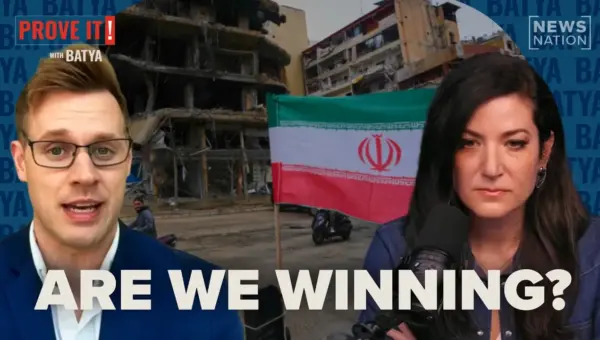
Trump’s Iran Standoff: A Risky Bet for Global Stability?
Libertarian journalist Robby Soave and host Batya debate President Trump's Iran strategy. Soave questions the long-term benefits versus the costs, while Batya highlights market confidence and strategic gains. The discussion covers military power, diplomatic goals, and the potential risks of nuclear proliferation.