Iran Skips Peace Talks, Citing US Demands and Blockade
Iran has withdrawn from upcoming peace talks in Pakistan, citing unrealistic U.S. demands and an ongoing naval blockade in the Strait of Hormuz. The critical waterway remains closed, impacting global shipping. Tensions are high as the U.S. maintains a strong stance, raising concerns about potential attacks on civilian infrastructure.

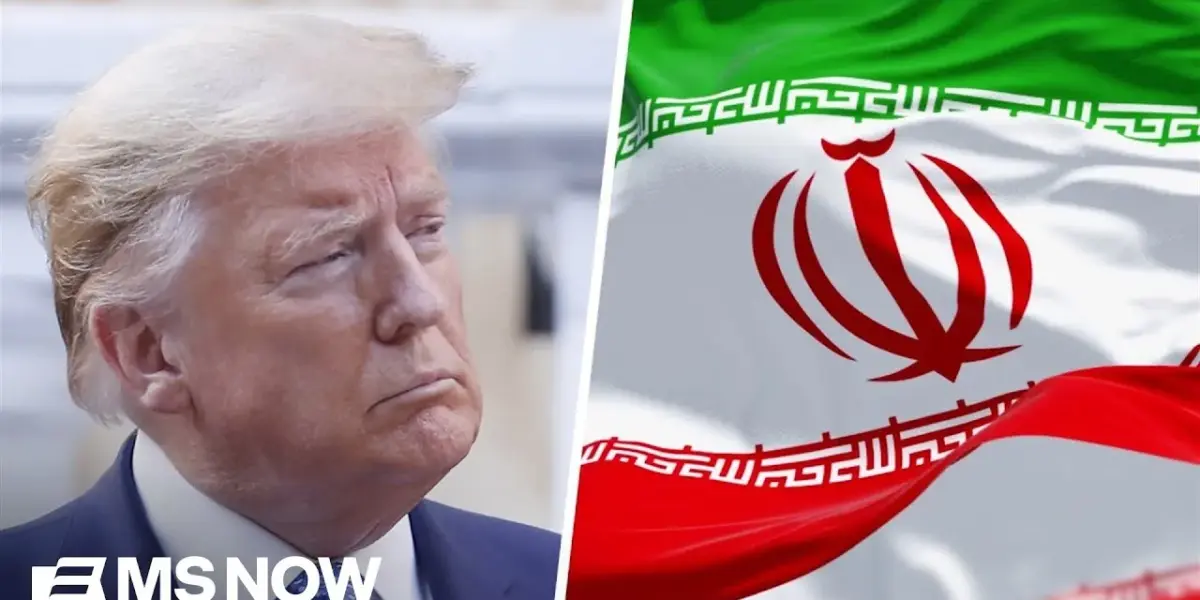
Iran Pulls Out of Pakistan Peace Talks
Iran has indicated it will not attend the upcoming peace negotiations in Islamabad, Pakistan, according to reports. The decision casts doubt on the possibility of resuming talks with the United States.
Pakistan had been preparing to host U.S. Vice President J.D. Vance, along with his team, hoping for Iran’s participation.
Iranian officials cited several reasons for their withdrawal. They stated that Washington’s demands are unrealistic and that the U.S. has shown constant shifts in its stance and repeated contradictions. The ongoing U.S. naval blockade in the Strait of Hormuz was a significant factor in their decision.
Strait of Hormuz Remains Closed
The Strait of Hormuz, a critical global shipping route, remains effectively shut down. This closure is a direct result of Iran’s dissatisfaction with the U.S. blockade. Unlike previous times when Iran controlled the strait, allowing some vessels to pass, current blockades mean no ships are moving through the waterway.
The situation escalated after Iran initially announced it would open the strait. However, Iranian gunboats reportedly targeted and fired upon several vessels. This action led to a complete halt in shipping traffic, making the Strait of Hormuz a major point of discussion should negotiations proceed.
Broader Regional Conflicts Loom
Beyond the Strait of Hormuz, other regional conflicts are adding urgency to peace efforts. A ceasefire in Lebanon is currently in effect for approximately eight days. A wider conflict involving Iran, Israel, and the U.S. has been ongoing for seven weeks, with an active ceasefire nearing its end.
The urgency to bring all parties to the negotiating table is palpable. U.S. Vice President J.D.
Vance recently spent 21 hours in Pakistan discussing these issues. There is a hope that longer, more productive talks could lead to a conclusion and bring peace to the region.
US Stance and Rhetoric
Meanwhile, the Trump administration has maintained a strong stance. President Trump has previously threatened to destroy infrastructure in Iran, including bridges and power plants. While some administration officials have defended these statements, the potential impact on civilian life and international humanitarian law is a serious concern.
When questioned about these threats, U.N. Ambassador Mike Waltz suggested historical precedents, referencing actions taken during World War II. He argued that such infrastructure could be used for military purposes, such as manufacturing drones and missiles. He also pointed to Iran’s alleged history of hiding military assets within civilian areas.
Tensions High Ahead of Talks
Tensions remain high as the scheduled talks approach. Reports suggest President Trump had a heated phone call with Iranian officials, believing that is the only language they understand. Iranian officials have expressed unhappiness with President Trump’s rhetoric and his social media posts.
Despite these challenges, President Trump has spoken optimistically about the potential for these talks. He has even left open the possibility of attending the negotiations in Pakistan himself. The coming days will reveal whether Iran will ultimately participate and if any progress can be made amidst the ongoing regional instability.
Source: Iran disputes Trump’s claim peace talks with U.S. will resume, throwing negotiations into question (YouTube)

Related Articles

Trump Renews Threats on Iran Amid Peace Talks Confusion
President Trump is renewing threats against Iran's energy infrastructure amidst confusion over upcoming peace talks. Conflicting reports about Vice President Pence's attendance and President Trump's varied public messages are creating uncertainty. Experts suggest Iran's struggling economy provides incentives for a deal, but significant military capabilities remain.


Iran’s Digital Barrage: How Social Media Targets Trump
Iranian social media accounts are using AI and rapid content creation to mock Donald Trump and his allies. They employ satire and direct accusations, turning Trump's own tactics against him. This digital campaign highlights the growing role of social media in international influence operations.

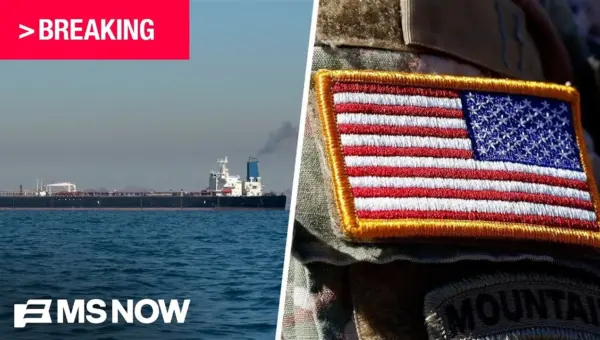
US Navy Seizes Iranian Ship After Engine Room Breach
The U.S. Navy has seized an Iranian-flagged cargo ship, the Tosan, after it attempted to pass through a naval blockade in the Strait of Hormuz. President Trump announced the incident, detailing how the ship was intercepted and disabled by U.S. forces when its crew refused to comply. The vessel and its crew are now in U.S. custody.