Tax Hikes Spark Investor Fears as Dow Drops 100 Points
Major stock indices like the Dow and Nasdaq saw declines amid Republican opposition to proposed tax hikes by Democrats. While tax refunds have reached record levels, new proposals in New York target wealthy non-resident homeowners, sparking debate about tax fairness and potential market impacts.

Markets Tumble Amidst Tax Hike Concerns
The Dow Jones Industrial Average fell 100 points in early trading, while the Nasdaq Composite saw a 70-point decline. This market movement comes as Republicans strongly criticize tax increase proposals from Democratic-led cities and states. Investors are watching closely as these policy discussions unfold, with initial market reactions showing unease.
Record Tax Refunds Contrast with Proposed Hikes
Despite the market jitters, the U.S. Treasury reported a significant increase in tax refunds this year. The average refund reached $3,400, an 11% jump, with 53 million taxpayers benefiting from previous tax cut legislation. This positive news for many filers is currently overshadowed by new tax hike proposals, particularly targeting wealthier citizens.
Public Sentiment Shows Growing Tax Dissatisfaction
A recent Fox poll indicates a growing concern among voters regarding tax burdens. A record 70% of those surveyed believe the taxes they are currently paying are too high. This sentiment suggests that many Americans feel their hard-earned money is increasingly going towards government spending rather than their personal financial goals.
New York Leads Charge with Wealth Tax Proposals
New York is at the forefront of these new tax initiatives. Governor Kathy Hochul and Assemblyman Zohran Mamdani are proposing a new tax on wealthy non-resident homeowners with second homes in the city valued at $5 million or more. This move aims to increase contributions from those who may not reside in the city full-time but benefit from its offerings.
Targeting the Wealthy: A Political Stance
Assemblyman Mamdani specifically called out Citadel CEO Ken Griffin in a video message, stating his intention to tax the wealthy. He argued that while New York City is a valuable place, some wealthy individuals are not contributing proportionally to the city’s needs compared to its 8.3 million residents. This highlights a political strategy focused on increasing tax revenue from the top income earners.
The Top 1% Bear a Significant Tax Load
Data shows that the top 1% of earners in New York already contribute a substantial portion of the tax revenue. This group pays over 38% of all taxes collected. The proposed new taxes could further increase this burden, sparking debate about tax fairness and economic impact.
Market Impact
The proposed tax hikes, particularly those targeting high-net-worth individuals and second homes, could impact real estate markets in expensive urban areas. They may also lead to discussions about capital flight or reduced investment in cities that implement such policies. For broader markets, increased taxes on the wealthy can sometimes be associated with slower economic growth, contributing to investor caution.
What Investors Should Know
Investors should monitor tax policy developments at both the federal and state levels. Proposed tax increases can affect corporate profitability and individual investment returns.
Understanding these potential policy changes is crucial for assessing the long-term outlook for various sectors and asset classes. The current market reaction suggests that investors are sensitive to any potential increases in the tax burden.
The debate over tax policy is expected to continue as lawmakers consider proposals that could reshape tax obligations for many Americans. Upcoming legislative sessions will likely provide more clarity on the future direction of taxation.
Source: TAX FIRESTORM: Democrats PUSH new hikes as backlash GROWS (YouTube)

Related Articles
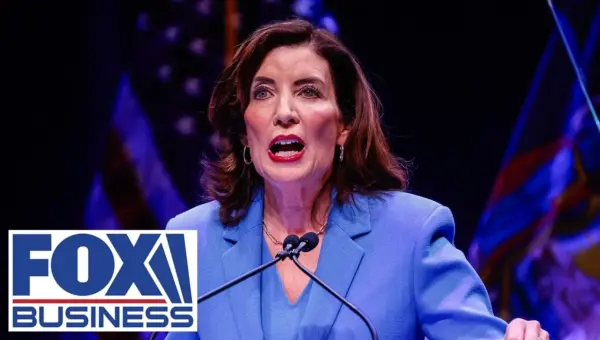
NY Eyes New Tax on Luxury Second Homes
New York Governor Kathy Hochul is proposing a new tax on luxury second homes in New York City, aiming to raise $500 million annually. The levy targets properties over $5 million, with supporters saying it taxes the ultra-wealthy. Critics, however, warn of negative economic impacts, including job losses and decreased property values.


Middle East Diplomacy Fuels Market Rally; Oil Prices Tumble
Middle East diplomacy has ignited a significant rally across U.S. stock markets, with the Dow Jones Industrial Average and NASDAQ Composite posting substantial gains. This optimism is fueled by a sharp drop in oil prices, which fell 10% to around $85 a barrel, signaling potential relief at the gas pump. The positive sentiment is boosting the tech sector, particularly companies involved in artificial intelligence, as investors embrace a 'risk-on' environment.


Markets Cheer Trump’s Actions, Defying Expectations
The stock market is showing unexpected strength and optimism, reacting positively to President Trump's policies and actions. This trend appears to defy common political sentiment, with markets celebrating moves that impact global oil supplies and trade routes.