FBI Director Patel Faces Allegations of Misconduct and Job Insecurity
A new report from The Atlantic alleges FBI Director Cash Patel is concerned about his job security due to alleged excessive drinking and unexplained absences. Multiple sources claim his conduct has alarmed officials and potentially weakened national security. Patel's spokesperson denies the report and is threatening legal action.

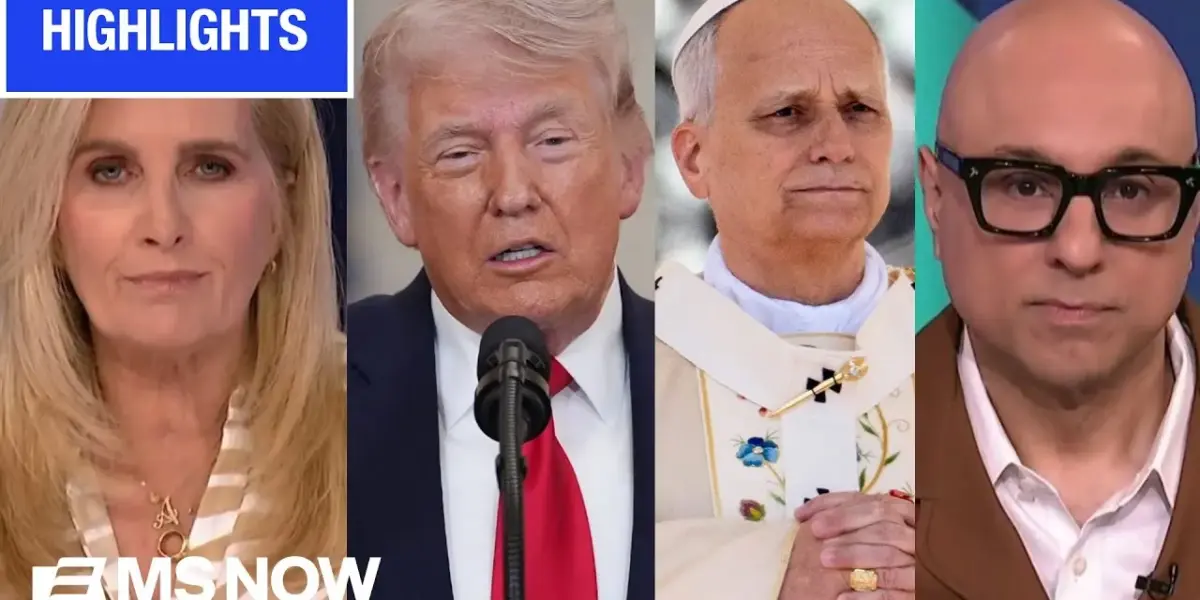
FBI Director Faces Troubling Report Amid Job Fears
Washington D.C. Is buzzing this morning with news of a bombshell report published by The Atlantic.
Staff writer Sarah Fitzpatrick’s investigative piece claims FBI Director Cash Patel is deeply concerned about his job security. This worry, according to multiple current and former officials, stems from alleged incidents of excessive drinking and unexplained absences.
The report details how Patel’s behavior has often alarmed officials within the FBI and the Department of Justice. These concerns reportedly extend beyond his conduct at public events, such as celebrating with the U.S. men’s hockey team after their Olympic gold medal win. Fitzpatrick’s sources indicate that the issues are more serious than previously known, impacting the FBI’s operational capabilities.
Concerns Over FBI Leadership and National Security
Fitzpatrick’s reporting highlights significant worries among FBI personnel regarding the country’s security. Some officials fear Patel’s alleged conduct has left the nation more vulnerable. A former senior intelligence official told Fitzpatrick that a lack of experience at FBI headquarters, combined with high turnover in field offices due to departures and alleged purges, weakens the agency.
This situation means the FBI workforce is tasked with achieving more with fewer resources and less clear direction from leadership. The report suggests these operational issues are central to the concerns, especially in light of global threats. Fitzpatrick noted that this is a government-wide alarm being sounded by those who feel the stakes are exceptionally high, particularly concerning threats from Iran and other potential adversaries who might sense American weakness.
A Specific Incident Highlights Alarm Bells
The report includes a specific incident from last year where members of Patel’s security detail had difficulty waking him due to suspected intoxication. This led to a request for specialized equipment, normally used by SWAT teams, to gain entry into his locked office. This request, according to multiple sources, was made because Patel was unreachable, raising significant alarm bells within the Justice Department and the White House.
Fitzpatrick emphasized that this was not about personal drinking habits but about a critical operational failure. The need for such extreme measures indicated a deep concern among colleagues that this conduct could pose a major problem in the future. This request itself reportedly set off alarm bells, showing how widely known the problem was.
Patel’s Alleged Paranoia and White House Support
The Atlantic’s piece also touches on an incident from April 10th, where FBI Director Cash Patel reportedly panicked, believing he had been fired by the White House. He struggled to log into a computer system and frantically called aides, convinced he had lost his job. This appears to have been a technical error that was quickly resolved, according to sources familiar with the matter.
This event, coupled with the other allegations, suggests Patel may feel he is on thin ice. The report implies that even people within the White House acknowledge his precarious position. This creates a potentially dangerous situation, as a leader feeling fearful and insecure could have significant ramifications for national security and overall leadership.
Spokesperson Denies Allegations, Threatens Legal Action
In response to the allegations, Patel’s team has vehemently denied the reporting. Erica Knight, a spokesperson for Director Patel, stated that a lawsuit is being filed. MSNOW has not independently confirmed the details of The Atlantic’s report.
The implications of Patel’s alleged conduct for the FBI, described as America’s premier law enforcement agency, are described as huge. The concerns raised by officials suggest a potentially weakened agency facing significant national and international threats.
Broader Political Context and Related Concerns
The discussion then shifted to broader political concerns, including the conflict in Iran and the fitness of leadership. Congresswoman Melanie Stansberry, a member of the Oversight and Government Reform Committee, voiced strong criticism regarding the president’s handling of foreign policy and his perceived lack of strategy.
She highlighted the president’s statements on Iran and the Straits of Hormuz, suggesting he lacks a clear plan and is putting service members at risk. Stansberry is a co-sponsor of a bill to create a commission on presidential capacity, citing concerns about the president’s mental fitness and public statements. The bill aims to establish a process for assessing a president’s fitness to serve, utilizing a bipartisan commission and medical examinations.
Economic Woes and Tax Policy Criticisms
The conversation also touched upon the economy, with criticisms leveled against the president’s economic policies and tax cuts. Despite the president’s claims of economic success, polls show low approval ratings on the economy, with rising gas prices, mortgage rates, and inflation. Congresswoman Stansberry argued that the cost of living is out of control, impacting seniors, low-income individuals, and students.
She criticized tax policies that she believes benefit billionaires while cutting essential services like healthcare and food assistance. The congresswoman also expressed concern that the president’s economic plan is driving Americans toward an economic cliff, disproportionately affecting those already struggling.
Ghislaine Maxwell Plea and Accountability Questions
The discussion briefly addressed Ghislaine Maxwell’s legal situation and her claims of being a scapegoat for Jeffrey Epstein’s crimes. Maxwell’s attorney is reportedly engaging with DOJ officials, suggesting she would testify before Congress if granted clemency.
Concerns were raised about whether the president might consider a pardon, which would send a problematic message about accountability. The congresswoman noted that Maxwell is a convicted sex predator and trafficker, and any attempt to gain clemency from the president, given his past association with Epstein, would be met with legal challenges.
President’s Religious Imagery and Evangelical Support
The segment also explored the president’s use of religious imagery, including an AI-generated image of himself as a Jesus-like figure, which drew outrage. This was followed by his participation in a marathon Bible reading and statements suggesting he sees himself as a representative of God. This behavior has been interpreted as an attempt to solidify support within the evangelical Christian community.
Commentators suggested that the president is surrounded by individuals who encourage this narrative, reinforcing his belief that he is divinely appointed. This approach is seen as deeply intertwined with white nationalism and white supremacy, creating a brand of Christianity that excludes rather than includes, contrasting sharply with the Pope’s more inclusive message.
Hungarian Election and the Global Rise of Illiberalism
A significant portion of the discussion focused on the recent parliamentary elections in Hungary, where longtime leader Viktor Orban suffered a significant defeat. Orban, known for his “illiberal democracy” model, which suppresses opposition and restricts freedoms, lost to the opposition party, TISA.
This election is viewed as a rejection of authoritarian rule and a potential turning point for governments that have embraced illiberal ideologies. Ann Applebaum’s analysis in The Atlantic suggests that Orban’s loss could signal a decline for similar movements in Russia and the United States. The incoming TISA government has pledged to shut down state-controlled media, which have been described as propaganda machines.
Kennedy Center Art Collection Controversy
The report concluded with an account of controversy at the Kennedy Center, involving the removal of its permanent art collection. A former employee detailed being tasked with getting the art off campus for renovations, with the intention of replacing it with new pieces.
This directive came shortly after President Trump declared the Kennedy Center would be closing for renovations. The former employee expressed shock and fear over the implications of this order, especially concerning the legacy of artists like Maestro Julius Rudel, who had a deep connection to the center and its values. The mismanagement was largely attributed to Rick Grinnell, with allegations of a pay-to-play system centered around proximity to Donald Trump.
Source: MS NOW Highlights – April 18 (YouTube)

Related Articles
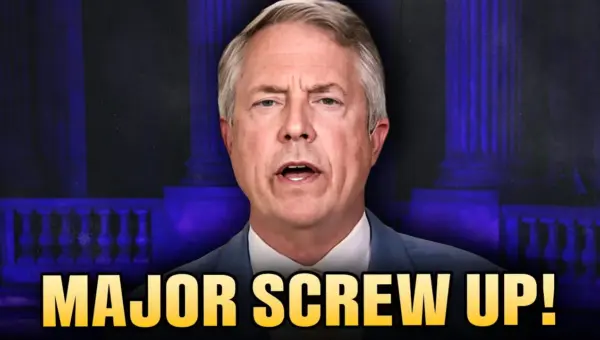
Senator’s Gas Price Plea Ignores Real American Struggles
Senator Roger Marshall suggested Americans must accept higher gas prices for national security, comparing the situation to World War II sacrifices. Critics argue his claims about the economy and the threat from Iran are inaccurate, highlighting the struggle for everyday Americans to afford necessities.
Trump’s Ballroom Battle: Judge Rules Against Sky-High Ambitions
A federal judge has ordered a halt to above-ground construction of a new White House ballroom, allowing only underground work to continue. Former President Trump reacted strongly on Truth Social, calling the judge "Trump-hating" and claiming national security is at risk. The ruling underscores legal requirements for construction projects, even for former presidents.
Ex-FBI Agent Debunks UFO Researcher Death Conspiracy
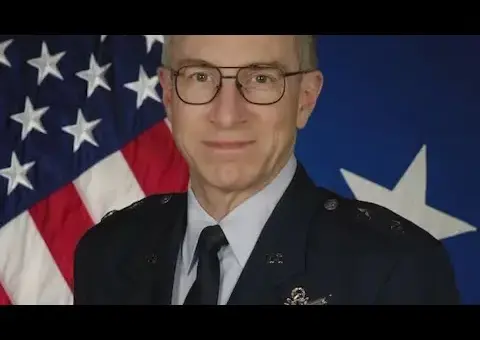
A former FBI agent argues that recent deaths and disappearances of UFO researchers are not linked to a government conspiracy. He has reviewed individual cases and found practical, separate explanations for each incident, debunking theories of a coordinated plot to silence scientists.