Trump Threatens Iran: “Knock Out Every Power Plant”
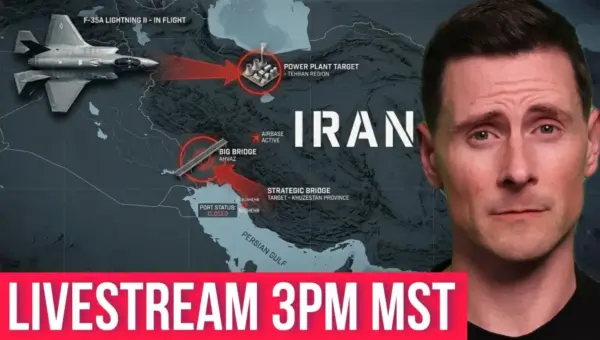
President Trump posted a stark warning on Truth Social, threatening to "knock out every single power plant and every single bridge in Iran" if a "fair and reasonable deal" is not accepted. Congressman Derek Tran called the threats "war crimes" and expressed deep skepticism about the administration's strategy and credibility, urging Congressional action.

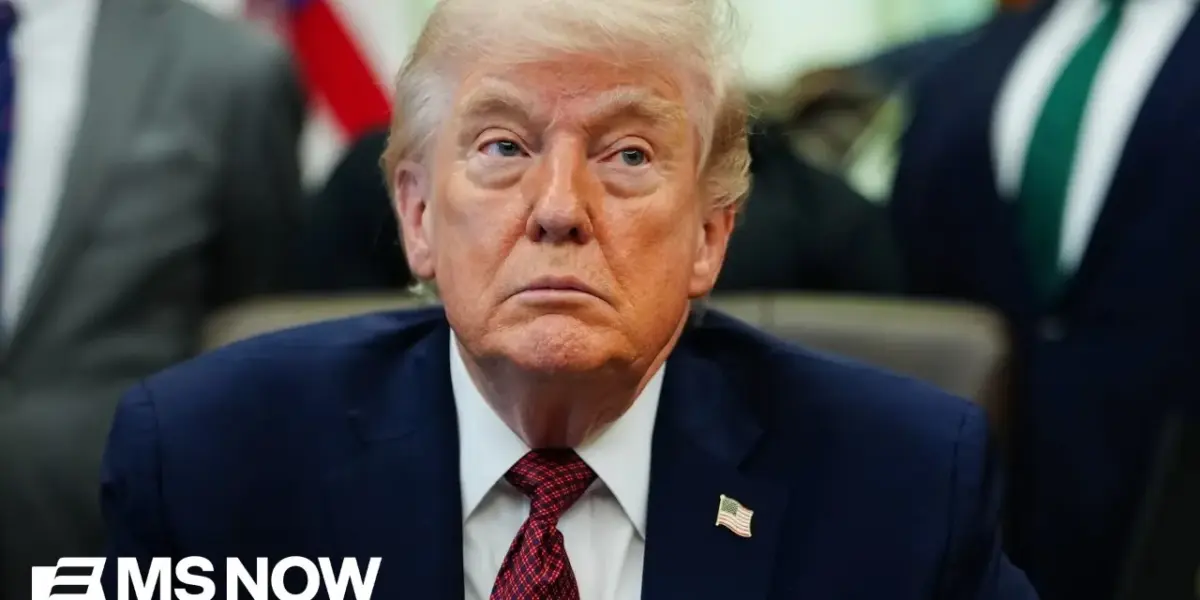
Trump Issues Stark Warning to Iran via Truth Social
President Trump posted a strong message on Truth Social on Saturday, threatening severe action against Iran if a deal is not accepted. He stated, “We’re offering a very fair and reasonable deal, and I hope they take it because if they don’t, the United States is going to knock out every single power plant and every single bridge in Iran.” The post, written in all caps, concluded with “No more Mr. Nice Guy.” This statement comes as the United States is reportedly seeking negotiations with Iran.
Lawmaker Calls Threats “War Crimes”
Congressman Derek Tran, a member of the House Armed Services Committee, reacted strongly to Trump’s statement. He described the president’s rhetoric as difficult to follow, noting that messages can change rapidly.
Tran stated that threats to commit genocide or bomb civilian infrastructure like bridges and power plants violate international law and constitute war crimes. He expressed deep disappointment and upset, calling such actions heartbreaking for Americans and disturbing for a national leader.
Doubt Cast on Administration’s Credibility
When asked about the credibility of the administration’s statements regarding a potential deal, Congressman Tran expressed strong skepticism. “I do not believe a single word out of his mouth,” Tran said.
He compared the situation to a child caught misbehaving, where trust is broken. This lack of faith extends to the president and his representatives, casting doubt on the reliability of any information coming from the administration.
Negotiations Amidst Uncertainty
The president’s Truth Social post mentioned that representatives would be in Islamabad, Pakistan, for negotiations. While the specific individuals were not named, speculation suggests figures like Steve Witkow and Jared Kushner might be involved. However, the context of these negotiations is overshadowed by Trump’s threats.
International law experts suggest that targeting civilian infrastructure like power plants and bridges, even if not directly used by the military, could be considered war crimes. This raises serious questions about the strategy and legality of the proposed actions.
Call for Congressional Action
Congressman Tran highlighted that the House was only one vote away from passing a War Powers Resolution to limit the president’s actions regarding Iran. He supports holding weekly votes on such resolutions to force colleagues to publicly address and potentially condemn the president’s actions.
Tran believes there is still common sense among Republicans and hopes for an agreement that recognizes the war is not beneficial for the United States or its economy. He advocates for Congress to actively engage in finding a diplomatic solution.
Strategy or Instability?
A recent report from The Wall Street Journal suggested that the president’s strategy might be to appear unstable to pressure Iran into negotiations. Tran, however, views this approach as reckless and not a true strategy.
He questioned how an administration could send negotiators while simultaneously declaring potential failure through public statements. Tran believes this behavior undermines diplomatic efforts and requires Congressional intervention to find a viable exit strategy from the conflict.
Moral and Global Implications
The phrase “No more Mr. Nice Guy” followed Trump’s threat, with additional comments about bridges coming down quickly and easily. He stated, “if they don’t take the deal it will be my honor to do what has to be done.” Congressman Tran reiterated that such actions would constitute war crimes.
He also shared that European allies are deeply concerned about the global impact of the conflict, including rising oil, aluminum, and fertilizer prices. Tran expressed sympathy for the Iranian people suffering from the ongoing situation and believes a diplomatic solution is essential.
Allies Express Concern
Tran confirmed hearing from allies, including recent meetings with Norwegian officials. Their primary concern, beyond the Iran conflict, is the administration’s stance on NATO.
Allies are worried about the U.S. pulling away from the alliance and the negative impact of the president’s critical remarks on NATO. They desire a united front against shared adversaries, which is undermined by such actions.
Intelligence Briefings Questioned
Regarding intelligence briefings from the Pentagon, Tran stated they have not been sufficient. The last briefing on Iran occurred about a week to ten days prior.
He noted a significant difference between information shared publicly and what is discussed in classified settings. Even within classified briefings, Tran indicated restrictions on the information the Department of Defense is providing to Congress, suggesting a lack of transparency and complete information flow.
Looking Ahead
As the situation develops, Congress is expected to continue seeking greater transparency and oversight regarding the administration’s actions and communications concerning Iran. The focus remains on preventing further escalation and pursuing diplomatic resolutions while holding the executive branch accountable for its international conduct and statements.
Source: Trump on Truth Social: If Iran doesn't take deal "will knock out every power plant" (YouTube)

Related Articles
US-Iran Talks Stall Amid Strait of Hormuz Tensions
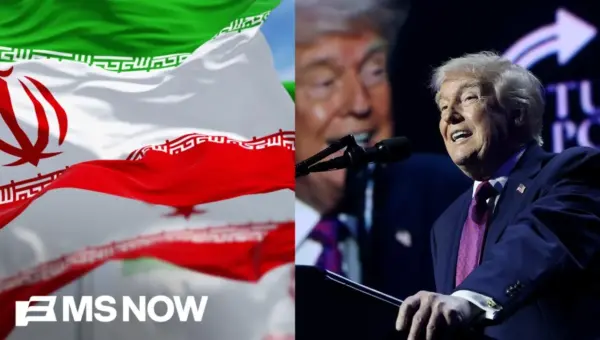
U.S.-Iran negotiations are faltering amidst rising tensions in the Strait of Hormuz, with Iran indicating it's not ready for new talks. The country has demonstrated an ability to disrupt global trade with limited military assets, raising questions about the credibility of U.S. administration statements on the conflict's progress.
US Navy Seizes Iranian Tanker, Escalating Maritime Tensions
U.S. naval forces have seized an Iranian-linked tanker attempting to breach a blockade near the Strait of Hormuz. The operation underscores U.S. resolve to enforce maritime control and pressure Iran over its nuclear program. Iran has rejected new nuclear talks, citing the blockade, while the U.S. continues its interdiction efforts.
Trump Threatens Iran, Sends Kushner to Pakistan for Peace Talks
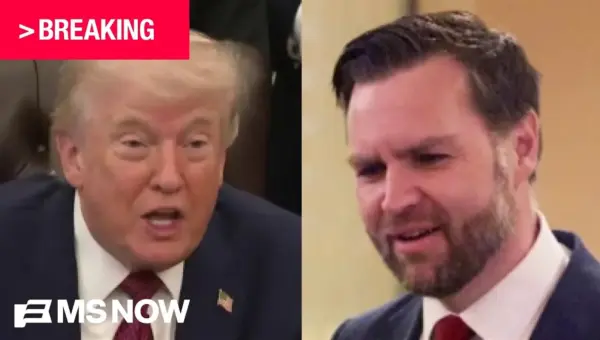
President Trump has issued a stark warning to Iran, threatening to destroy its infrastructure if a deal is not accepted, while sending negotiators Steve Wyckoff and Jared Kushner to Pakistan for peace talks. The absence of Vice President J.D. Vance from the delegation has raised questions about the potential for a successful agreement. Reports also suggest China has been providing satellite imagery to Iran, complicating the diplomatic landscape.