Chappelle’s Jokes: Comedy Caught in Political Crossfire
Dave Chappelle clarified his controversial jokes about transgender people are not for those with traditional views on gender, but for Democrats who dislike them. He felt the Republican Party weaponized his comedy. This raises questions about artistic intent versus audience interpretation in an increasingly polarized world.

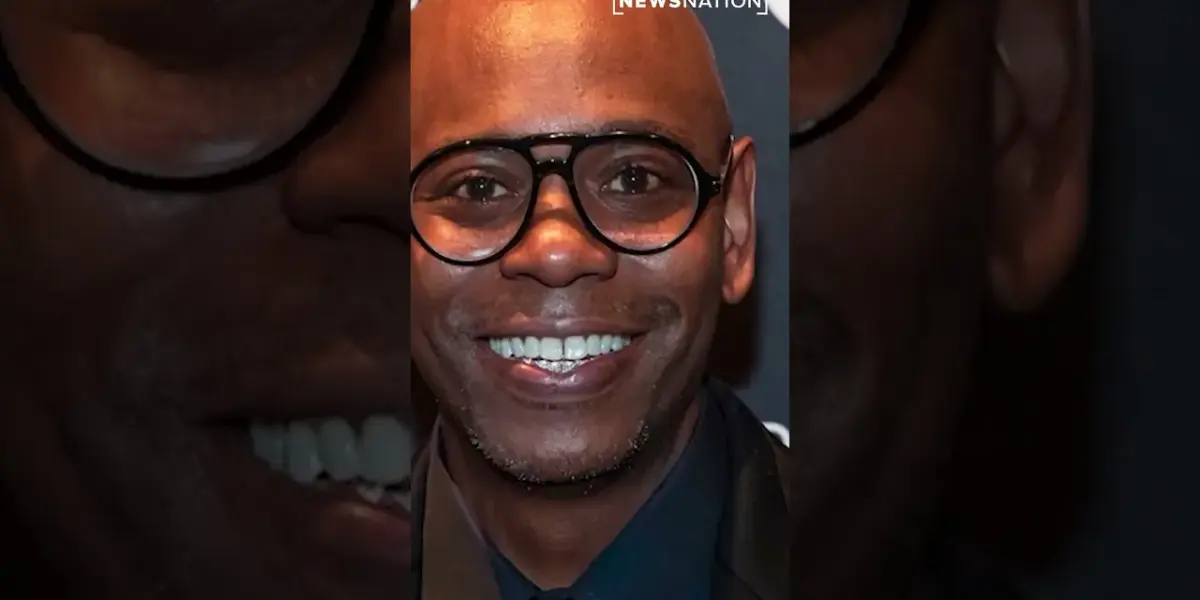
Chappelle’s Jokes: Comedy Caught in Political Crossfire
Dave Chappelle, a comedian known for pushing boundaries, finds himself in a peculiar situation. He has clarified that his jokes, particularly those targeting transgender people, are not meant for individuals who believe there are only two genders. Instead, he stated in an interview with NPR’s Newsmakers that these jokes are specifically for Democrats who dislike them.
Chappelle expressed resentment that the Republican Party used transgender jokes in their political messaging. He felt they were weaponizing his style of comedy for their own agenda, which he did not intend. This distinction suggests that his humor is not a broad commentary but a targeted critique, meant to provoke a specific audience.
This brings up an interesting point: if comedy is only for people on your team, what does that mean for its purpose? Chappelle seems to imply that his jokes are for Democrats who disagree with the very issues he is joking about. He feels they were using his jokes in a way he did not approve of, especially when the Republican party co-opted them.
The Political Divide in Comedy
The comedian’s remarks highlight a growing trend where art, and comedy specifically, is increasingly viewed through a political lens. What was once seen as a space for shared laughter or uncomfortable truths is now often analyzed for its political alignment. This can lead to situations where the intended audience and the actual audience diverge, causing confusion or even offense.
Chappelle’s position suggests a desire to control the narrative around his work. He wants to distance himself from the idea that his jokes are simply anti-transgender statements. Instead, he frames them as a form of internal critique or a challenge to a particular political viewpoint, even if that viewpoint is held by some Democrats.
This creates a complex dynamic. If a joke is meant for a specific group, but people outside that group enjoy it, does that invalidate the joke or the comedian’s intent? Chappelle’s frustration seems to stem from others using his material in a way he feels misrepresents his message or serves an opposing political goal.
Historical Context of Comedy and Controversy
Throughout history, comedians have often used their platforms to tackle sensitive or controversial topics. Lenny Bruce, for example, faced legal battles for his use of obscenity and his critiques of societal norms in the 1960s. George Carlin famously explored language and societal hypocrisy, often pushing the limits of what was acceptable.
The difference now is the speed and intensity with which reactions can spread, amplified by social media. An interpretation or criticism of a comedian’s work can quickly gain traction, shaping public perception before the artist can even respond. This rapid dissemination can lead to misunderstandings and create pressure on performers.
Chappelle’s current situation echoes past controversies but is also unique in its specific political framing. The idea that his jokes are exclusively for Democrats who dislike them is a highly specific and unusual boundary to set for comedy.
Why This Matters
This situation matters because it speaks to the broader conversation about free speech, artistic expression, and political polarization. When comedy becomes a battleground for political factions, it can stifle creativity and limit the potential for genuine dialogue or shared understanding.
It raises questions about who gets to decide what is funny and who is allowed to laugh. If comedians start to gatekeep their audiences based on political affiliation, it could fundamentally change the nature of comedy. It might move from a universal human experience to a partisan activity.
Chappelle’s comments highlight the difficulty of navigating complex social issues through humor. His attempt to draw a clear line between his intent and the political appropriation of his jokes shows how easily such lines can blur in today’s charged environment.
Implications and Future Outlook
The implications are significant for comedians and audiences alike. Comedians may feel increased pressure to tailor their material to specific political groups, or they may face backlash for perceived misalignments. Audiences, in turn, might become more critical of the political subtext in every joke, potentially leading to less spontaneous enjoyment.
This could lead to a more fragmented comedy scene, where different political groups consume and appreciate different forms of humor. The shared cultural experience that comedy can sometimes provide might diminish. It could become harder for comedians to connect with a diverse audience.
Looking ahead, it will be interesting to see if other artists adopt a similar approach to Chappelle’s. Will comedians begin to define their audiences by political affiliation? Or will the inherent nature of comedy as a connector of people ultimately resist such divisions?
A Call for Nuance
Chappelle’s stance, while perhaps intended to reclaim his artistic integrity, complicates the reception of his work. His desire to ensure his jokes about transgender people are not used by those who hold opposing views is understandable from his perspective.
However, the very nature of comedy often involves its interpretation by a wide range of people. Once a joke is told, its life is often out of the comedian’s hands. This is part of what makes comedy so dynamic and sometimes unpredictable.
The comedian stated that he felt the Republican Party was using a weaponized version of his jokes. He wants to be very clear his trans jokes are not for people who think there are only two genders. They are for Democrats.
Source: Batya: We had the audacity to enjoy Dave Chappelle’s jokes in the wrong way (YouTube)

Related Articles

Trump Culls Judges Over Israel Criticism Rulings
President Trump has fired six immigration judges, including two who refused to deport students for criticizing Israel. This action raises concerns about judicial independence and the potential for political influence in legal decisions.

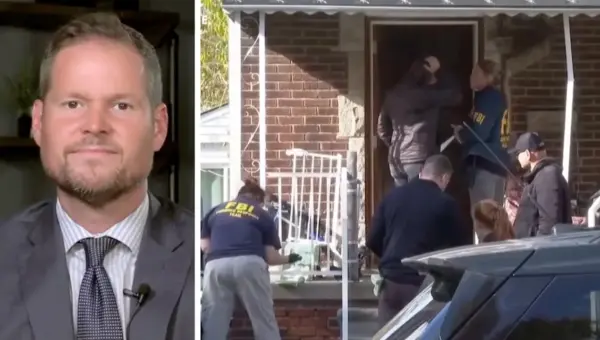
Government Weaponized Law Against Pro-Life Advocates
A report suggests the Biden administration targeted pro-life advocates using federal law. Shawn Carney of 40 Days for Life calls this harassment, detailing the extreme case of Mark Houck, whose home was raided by 25 agents. Houck was later acquitted of federal charges and won a civil suit against the DOJ.


Celebs Hilariously Break The Internet With Viral Moments
From Keke Palmer's unforgettable "Sorry to this man" to Adele's epic Nicki Minaj rap, these 20 celebrity moments broke the internet with their humor and sheer unexpectedness. WatchMojo counts down the clips that had everyone talking, sharing, and replaying.