Trump Signs Surveillance Bill; Two Lawmakers Resign Amid Scandal
President Trump has signed a short-term extension for the controversial Section 702 surveillance program, while two U.S. Representatives, Eric Swalwell and Tony Gonzalez, resigned amid misconduct allegations. Meanwhile, a partial government shutdown affecting the Department of Homeland Security continues with little sign of resolution. Attention is also beginning to focus on potential 2024 presidential candidates, particularly governors facing re-election this year.

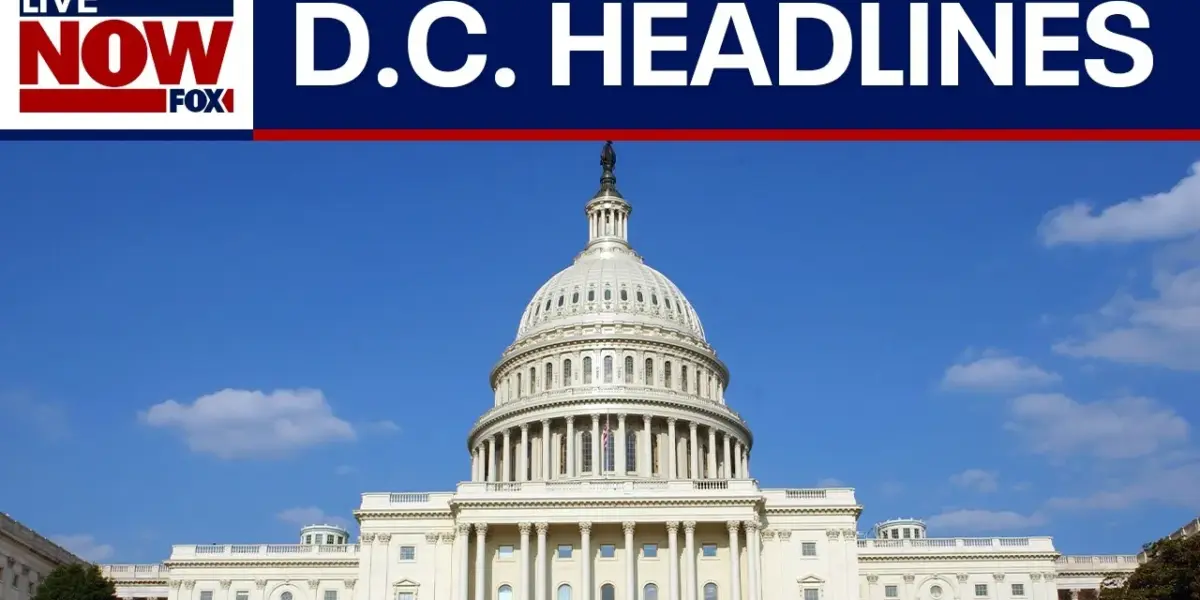
Trump Extends Controversial Surveillance Program
President Trump has signed a bill extending a controversial surveillance program known as Section 702 of the Foreign Intelligence Surveillance Act (FISA). The short-term renewal pushes the program’s authority to April 30th, setting the stage for another major debate in Congress. The bill passed the Senate in a last-minute effort to prevent the program’s authority from expiring.
Section 702, originally enacted in 2008 under President George W. Bush, allows the U.S. government to conduct warrantless wiretapping of foreign nationals.
This power has drawn criticism from both the progressive left and the libertarian right, who argue it infringes on privacy rights. The Fourth Amendment protects against unreasonable searches and seizures, but the interpretation of ‘unreasonable’ remains a point of contention.
While many mainstream Republicans view the program as a reasonable security measure, Democrats and libertarian Republicans argue it is an overreach. President Trump’s decision to prioritize and actively lobby for this extension has surprised some, as it’s not typically the kind of legislation associated with presidential legacies.
Two House Members Resign Amid Allegations
The past week also saw the resignations of two U.S. Representatives: Democrat Eric Swalwell of California and Republican Tony Gonzalez of Texas. Both lawmakers stepped down amid allegations of sexual assault and sexual harassment.
These resignations result in a net loss of one seat for each party, maintaining the current slim Republican majority in the House of Representatives. Speaker Mike Johnson’s Republican party holds a narrow two-seat advantage, making it difficult to lose even one vote on key legislation. The close balance was highlighted during a recent vote on a war powers resolution concerning U.S. involvement in Iran, where the outcome depended on a few key votes.
Swalwell’s seat is considered a safe Democratic district, making it unlikely to flip. Gonzalez’s seat is more competitive, a center-right district that could potentially be won by a strong Democratic challenger. The resignations will trigger special elections in both districts.
Parties React to Resignations
Democrats have largely distanced themselves from Eric Swalwell, with no prominent party members publicly defending him. His former political allies have also moved on, with candidates vying for support in his former district.
Republicans have used Swalwell’s situation to criticize the Democratic party, attempting to make him a symbol of perceived hypocrisy. For Tony Gonzalez, Republicans are also signaling a lack of support, with some conservatives calling for the forfeiture of pensions for both lawmakers.
Historians note that while resignations due to ethical improprieties are not new, the simultaneous departure of two members from opposing parties over similar allegations is rare. Both Swalwell and Gonzalez likely resigned to avoid the certainty of expulsion from the House, a fate similar to figures like James Trafficant and, in a different context, Richard Nixon, who resigned to avoid impeachment proceedings.
Partial Government Shutdown Continues
A partial government shutdown, specifically affecting the Department of Homeland Security (DHS), continues with little progress made toward a full resolution. The issue has become a secondary concern for many, receiving less media attention than during previous full government shutdowns.
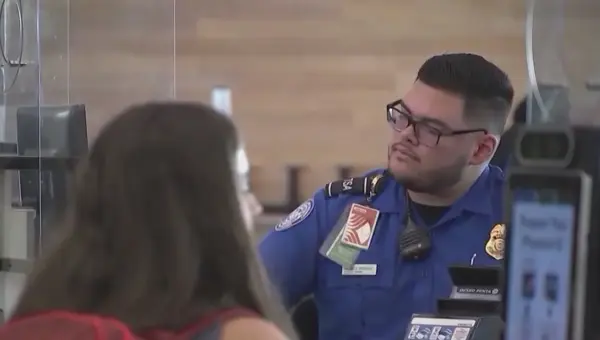
Despite the ongoing shutdown, much of the federal government continues to operate on autopilot. Essential functions like entitlement spending, defense, and debt interest payments are largely unaffected. However, the shutdown has created difficulties for TSA workers and travelers.
The DHS funding fight is separate from the other 12 annual appropriations bills, making it a distinct legislative challenge. The partisan nature of Washington means that funding debates often involve political maneuvering, delaying resolutions even for critical government functions.
Looking Ahead: The 2024 Presidential Race
As political attention shifts, attention is already turning toward the 2024 presidential election. Governors like Andy Beshear of Kentucky and Gavin Newsom of California are mentioned as potential candidates.
Governors Josh Shapiro of Pennsylvania and J.B. Pritzker of Illinois are particularly noteworthy as they face re-election this year. Their campaigns will be closely watched to see how they navigate their state responsibilities alongside potential presidential ambitions.
Historically, candidates have handled questions about presidential runs differently during re-election bids. Some, like Bill Clinton and Pete Wilson, were evasive and later ran for president. Others, like George W.
Bush, were more direct. Current governors will face similar scrutiny, with Republicans likely to push for direct answers on whether they will serve out their full terms if re-elected, a decision that will impact their states and their own political futures.
Source: Top political headlines (YouTube)

Related Articles
GOP Rebels Defy Trump on Surveillance Bill
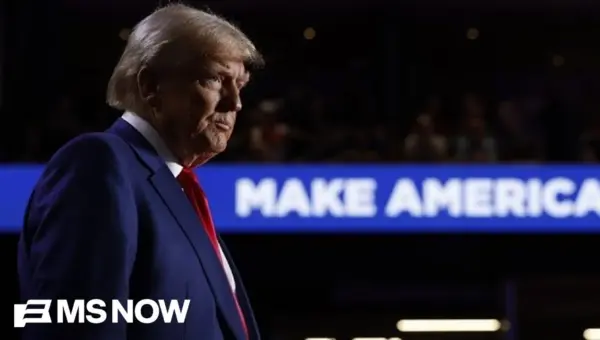
Twenty Republican lawmakers defied President Trump this week, voting against a renewal of the Foreign Intelligence Surveillance Act (FISA). The dissent forced a short-term extension of the law and signals growing divisions within the GOP, raising questions about Trump's influence. This rebellion highlights internal power struggles and principled stands on surveillance within the party.

Spy Powers Extended; DHS Funding Stalls Amidst Controversy
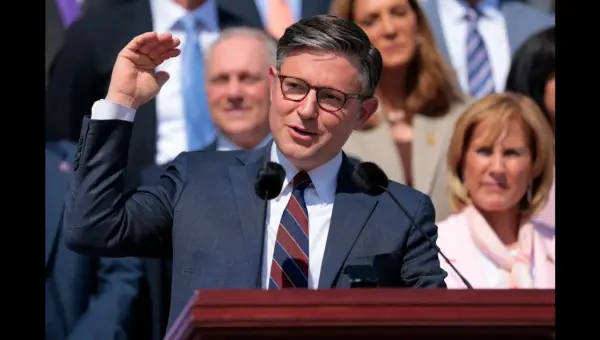
Congress has approved a 10-day extension for Section 702 of FISA, a surveillance law, while debates on privacy continue. Meanwhile, a partial DHS shutdown persists as House Speaker Mike Johnson holds up funding until the Senate acts on border security measures. The week also saw resignations of two lawmakers due to misconduct allegations.

Privatize Airport Security? Plan Sparks Job Cut Fears
The Trump administration is considering privatizing TSA airport screenings, a move that could cut thousands of federal jobs but potentially reduce wait times for travelers. About 20 airports already use private screeners, and the TSA has explored this option to address staffing shortages.