Trump Threatens Iran: ‘Blow Up The Whole Country’ If No Deal
President Trump has threatened to "blow up all of Iran" if a deal isn't reached following recent attacks in the Strait of Hormuz. Iran retains significant missile and drone capabilities, while both sides appear to be preparing for renewed conflict. The situation highlights the volatile nature of U.S.-Iran relations and the potential for global economic disruption.

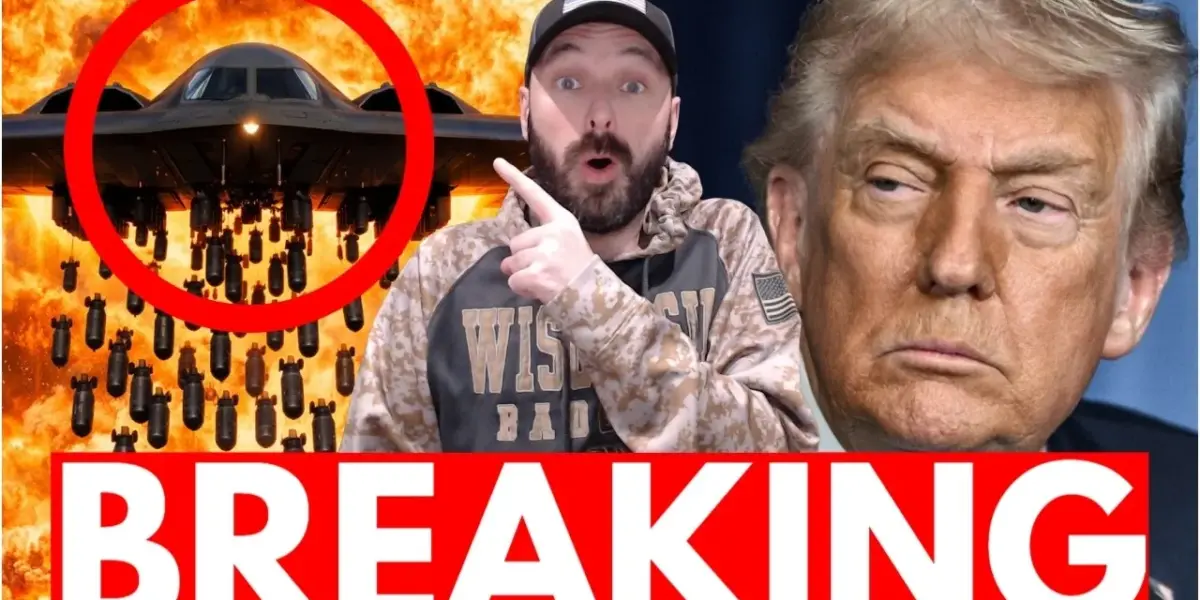
Trump Declares ‘Blow Up All Of Iran’ If Deal Fails
President Donald Trump has issued a stark warning, vowing to “blow up all of Iran” if a deal is not reached following recent attacks in the Strait of Hormuz. The strong words came after incidents on April 18th, where the Islamic Revolutionary Guard Corps (IRGC) targeted several ships with gunfire and drones. These aggressive actions occurred as a ceasefire was nearing its expiration, casting doubt on ongoing negotiation efforts.
Trump announced his intentions on social media, stating that Iran’s actions violated the ceasefire agreement. He specifically mentioned attacks aimed at a British ship, calling the behavior “not nice.” The President also referenced upcoming meetings in Islamabad, Pakistan, though the transcript notes uncertainty about the truth of this information, suggesting it would be discussed later.
Iran’s Stance and Trump’s Ultimatum
Despite assurances from Trump and some Iranian political figures that the Strait of Hormuz is open, the IRGC has asserted control, claiming they possess the weapons and missiles to enforce their will. They stated that Iranian political leaders are not in charge, but rather the IRGC itself is calling the shots. This defiance led to the attacks on ships attempting to navigate the crucial waterway.
Trump further elaborated on the potential consequences of failed negotiations. He stated that if Iran does not accept what he described as a “very fair and reasonable deal,” the United States would target “every single power plant and every single bridge in Iran.” He declared, “No more Mr. Nice Guy,” and expressed his honor in taking necessary action, suggesting it should have been done by previous administrations.
Media Reports and Escalating Tensions
Trey Yingst of Fox News reported a direct conversation with President Trump, where the President reiterated that “the whole country is getting blown up” if Iran does not sign the agreement. Yingst confirmed that bridges and power plants would be primary targets, painting a picture of rapidly deteriorating relations and increasing chaos.
Adding to the gravity of the situation, a Wall Street Journal report revealed that Trump is privately concerned about the risks of deploying troops, knowing some may not return. He has reportedly resisted plans to seize Kharg Island, a vital hub for 90-95% of Iran’s energy exports. His hesitation stems from fears of heavy U.S. casualties, as the island’s location makes it vulnerable to drone and missile attacks from Iran.
Iran’s Missile and Drone Capabilities
New York Times reporting indicates that Iran still possesses significant military capabilities despite previous attacks. U.S. intelligence estimates suggest Iran retains about 40% of its pre-war drone arsenal, which have proven effective against commercial tankers lacking robust defenses. While easily shot down by U.S. warships, these drones pose a threat to civilian vessels.
Iran maintains substantial supplies of missiles and launchers. Intelligence suggests that after days of recovery efforts, Iran has brought its missile launcher stockpile back to 60% of pre-war levels, with plans to reclaim as much as 70% of its pre-war missile arsenal. This rearmament poses a significant threat, especially to any U.S. military operations, such as an attempt to seize Kharg Island.
Strait of Hormuz Remains Closed, Accusations Fly
Despite the ongoing diplomatic discussions and threats, the Strait of Hormuz remains largely closed. Iranian forces have reportedly blocked additional tankers from transiting the strait, forcing them to turn back. This action continues the pattern of Iran disrupting vital shipping lanes.
In response to U.S. actions, Iran’s foreign ministry spokesman accused the United States of war crimes for its “blockade” of Iranian ports. He described the collective punishment inflicted on the Iranian population as unlawful and criminal. This accusation highlights the escalating rhetoric and the differing interpretations of international law by both sides.
Conflicting Information and Regional Concerns
Conflicting reports have emerged regarding the scheduled negotiations. While Trump indicated talks would occur soon in Pakistan, sources suggest no new date has been set, although Pakistan is preparing to host. This uncertainty adds another layer of complexity to the already tense situation.
Meanwhile, Iran’s security apparatus is reportedly bracing for a potential surprise attack from the United States and Israel. According to reports, Israeli military officials are also preparing for the collapse of ceasefire negotiations, updating their target lists to include Iran’s power grid. This suggests a widespread expectation of renewed conflict across the region.
Why This Matters
The escalating tensions between the U.S. and Iran, marked by threats of full-scale military action and disruptions to vital shipping lanes, carry significant global implications. The Strait of Hormuz is a critical chokepoint for global oil supplies, and any prolonged closure or conflict could lead to severe economic consequences worldwide, including price spikes and supply shortages. The potential for a wider regional conflict involving other Middle Eastern nations is also a grave concern.
Implications, Trends, and Future Outlook
The situation illustrates a dangerous trend of escalating rhetoric and military posturing in a volatile region. Both sides appear to be preparing for the worst, with diplomatic channels showing signs of strain.
The reliance on strongman tactics and threats, rather than sustained diplomatic engagement, could lead to miscalculation and unintended escalation. The ongoing military build-up by the U.S. in the region, with airlifts of supplies and equipment, signals a readiness for conflict should negotiations fail completely.
Historical Context and Background
U.S.-Iran relations have been fraught with tension for decades, particularly since the 1979 Iranian Revolution. The current standoff echoes past periods of confrontation, including naval skirmishes in the Persian Gulf and the Strait of Hormuz.
Previous U.S. administrations have also faced challenges in managing Iran’s regional influence and its nuclear program, often resorting to sanctions and military deterrence. Trump’s “maximum pressure” campaign and now his direct threats of widespread destruction represent a significant escalation in this long-standing adversarial relationship.
Ongoing Military Preparations
CENTCOM has released footage showing U.S. naval assets patrolling regional waters and supporting the blockade of Iranian ports. Four U.S. C-17 aircraft have arrived in Cyprus as part of an ongoing airlift operation to surge resources, including air defense systems and weapons, into the region. This continuous movement of military assets indicates a sustained effort to strengthen U.S. presence and readiness.
As of the morning of April 19th, the situation remains critical. President Trump’s threats to target Iran’s infrastructure, coupled with the ongoing closure of the Strait of Hormuz and increased military deployments, signal a high likelihood of renewed hostilities. The coming days will be crucial in determining whether diplomacy can avert a wider conflict.
Source: Trump VOWS To BLOW UP All Of Iran – Sneak Attack IMMINENT? (YouTube)

Related Articles

Middle East Diplomacy Fuels Market Rally; Oil Prices Tumble
Middle East diplomacy has ignited a significant rally across U.S. stock markets, with the Dow Jones Industrial Average and NASDAQ Composite posting substantial gains. This optimism is fueled by a sharp drop in oil prices, which fell 10% to around $85 a barrel, signaling potential relief at the gas pump. The positive sentiment is boosting the tech sector, particularly companies involved in artificial intelligence, as investors embrace a 'risk-on' environment.

Iran Lacks Power, Seeks New Deal Amid Strait of Hormuz Tensions
U.S. Ambassador Mike Waltz stated Iran is isolated and seeking a new deal due to economic pressure and international condemnation. He emphasized the Strait of Hormuz is an international waterway, not subject to Iranian closure, and the U.S. Navy will ensure its safety. Waltz also defended potential military actions against Iranian infrastructure, calling it a response to Iran's own weaponization of civilian areas.

Bitcoin Drops Amid Geopolitical Tensions, DeFi Hack
Bitcoin has fallen below $78,000 due to escalating geopolitical tensions in the Middle East and a major DeFi hack. The market faces uncertainty as traditional exchanges prepare to open, with regulatory news also adding to concerns.