Italy Storm Fury: Family Survives 10m Waves in Sicily
Cyclone Harry battered Sicily in January 2026 with 10-meter waves, leaving a path of destruction and fear. Residents narrowly escaped disaster, highlighting the dangers of coastal development in the face of rising sea temperatures and extreme weather. While some communities are exploring innovative protection methods, the future remains uncertain without significant policy changes.

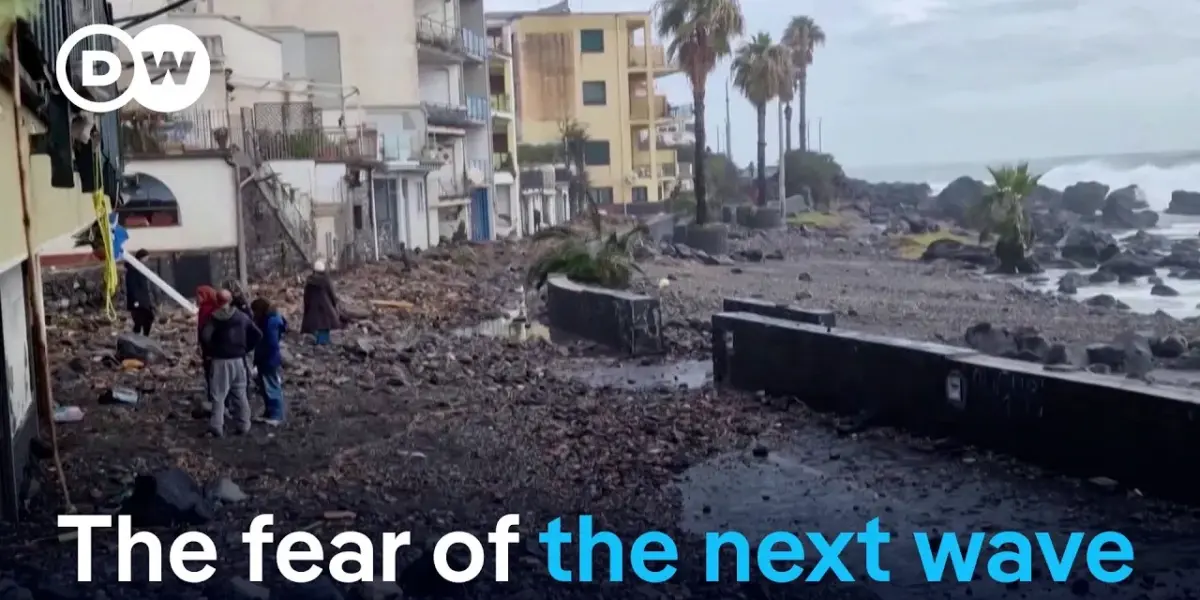
Sicily Coastal Town Devastated by Cyclone Harry
In January 2026, a monstrous storm dubbed Cyclone Harry unleashed its fury on Sicily, bringing waves up to 10 meters high. This powerful cyclone, the worst in living memory for the southern Italian coast, left a trail of destruction. Residents like Rosario and his father, Pipo, experienced the terrifying force firsthand.
“I ran downstairs. There was no door. Just a terrible monster in front of me,” Rosario recounted, unable to erase the image from his mind.
The towns of Nita DC, Chileia, and the area around Telmina in eastern Sicily bore the brunt of the storm’s impact. Rosario described how normally gentle waves reached a small wall, but during the cyclone, he had to physically hold his front door shut against the wind and water. His quick decision to move his family upstairs proved lifesaving.
A Harrowing Escape from the Storm’s Wrath
Rosario recounted the terrifying moments when a massive wave crashed against the front door. “If we had stayed here,” he said, his voice filled with the memory of the danger, “me, my son, my daughter, we’d all be dead.” He explained they were standing near the door, and the storm’s force would have been fatal.
The storm’s devastation left furniture blocking doorways, making escape or rescue impossible in the immediate aftermath. The fear and chaos were palpable for those caught in the storm’s path. The experience left deep emotional scars, with the memory of the “terrible monster” a constant reminder of their close call.
Coastal Development Fuels Future Risk
The area’s vulnerability is partly due to development choices made over decades. Until the 1970s, houses were built about 200 meters from the sea. However, a tourism boom led to construction creeping closer and closer to the coast, turning natural buffer zones into valuable building land.
Homes like Rosario’s and his neighbor Agatino’s are now only about 50 meters from the water. Despite the significant damage they suffered, neither Rosario nor Agatino are considering moving.
“We’re definitely not leaving. We’ll do everything we can to get back on our feet as best we can, maybe even better than before,” Agatino stated, showing a strong resolve to rebuild.
Innovative Coastal Protection Offers Hope
While many coastal communities face an uncertain future, examples of effective protection exist. Santa Margarita, a few kilometers north, remained undamaged by Cyclone Harry. This success is credited to a coastal protection wall built 70 meters offshore.
Gano Shaka, who supervised the construction, explained the project. “We built an underwater breakwater out at sea,” he said.
This structure, about 40 meters wide at its base and tapering to 20 meters, sits 1.8 meters below the surface, acting like an artificial reef. The goal was for marine life to settle there, helping to slow down waves and protect the coast.
Reconstruction Efforts and Climate Warnings
Despite successful protection models, many municipalities focus on rapid reconstruction. In Santa Teresa Diva, the storm destroyed the beach promenade and a state highway. Gano Shaka believes that only an underwater barrier along the entire coast, combined with renaturalizing rivers, can ensure long-term safety.
He pointed out that upstream, a large amount of material has been deposited instead of flowing into the sea. Routine maintenance could have managed this material, allowing it to be naturally distributed along the shore, thus reinforcing coastal defenses. However, such comprehensive measures are not currently planned by authorities.
The Mediterranean’s Warming Trend Fuels Extreme Weather
Climate researcher Christian Moulder from the University of Catania warns that storms like Cyclone Harry will become more common. “The Mediterranean is warmer than ever before,” he stated, comparing it to a pot on a stove that’s always boiling. This warming trend directly contributes to more intense rainfall and extreme weather events.
The Italian government has allocated €100 million for reconstruction, a sum that represents only a fraction of the total damage. Without improved coastal defenses and a revised building policy, communities remain vulnerable to future storms. The fear of the next destructive event lingers, especially on rough sea days, affecting residents like Rosario and Pipo deeply.
Looking Ahead: Resilience and Policy Challenges
The fight for survival and recovery in Sicily highlights a critical challenge: balancing coastal development with the growing threat of climate change. The resilience of families like Rosario’s, coupled with the potential of innovative engineering solutions, offers a path forward.
However, the future safety of these coastal towns hinges on decisive action from local and national authorities. Implementing robust coastal protection and rethinking building strategies are essential to safeguard communities from the increasing power of extreme weather events in the Mediterranean.
Source: Italy: One family’s fight against destructive storms | Focus on Europe (YouTube)

Related Articles
Wisconsin River Swells to Crisis Levels, Forcing Evacuations
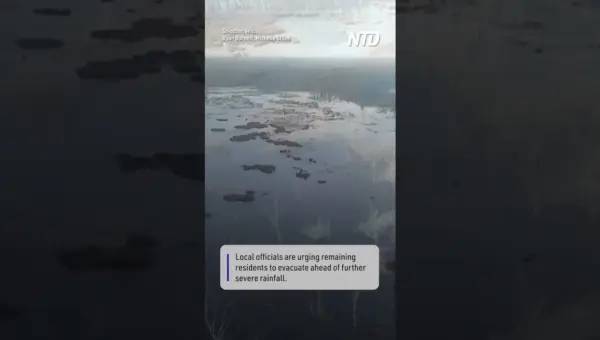
The Wolf River in Shiocton, Wisconsin, has reached historic flood levels, forcing officials to order evacuations. Drone footage shows the river has spread far beyond its banks. Forecasters predict more rain, worsening the situation and highlighting the need for disaster preparedness.
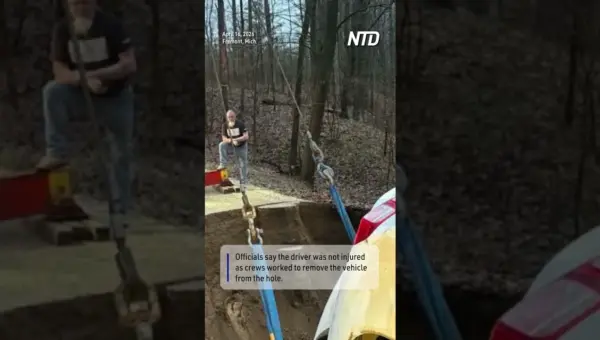
Michigan Floods Open Chasms, Swallowing Cars Whole
Severe flooding in Fremont, Michigan, caused roads to buckle and dangerous sinkholes to open up. One car was swallowed by a newly formed chasm, highlighting the hidden dangers of extreme weather events. This incident serves as a stark reminder of the need for improved infrastructure and disaster preparedness.

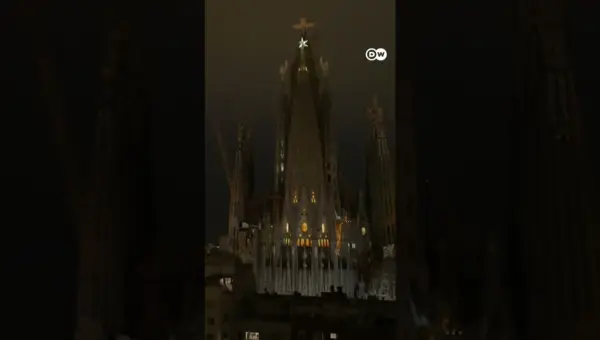
World Lights Dim for Earth Hour Climate Call
Iconic landmarks and millions of people worldwide turned off their lights for the 20th annual Earth Hour on Saturday. The WWF campaign aimed to raise awareness about environmental protection and the urgent need for climate action. Beyond the symbolic hour of darkness, the event calls for sustained commitment to sustainable living and stronger environmental policies.