Iran Shuts Strait of Hormuz, Escalating Tensions With U.S.
Iran has closed the Strait of Hormuz, a vital global shipping lane, and fired on ships. The U.S. is pushing back, ready to board Iranian vessels. This escalation comes as a ceasefire nears its end, with Iran's nuclear program remaining a key point of contention.

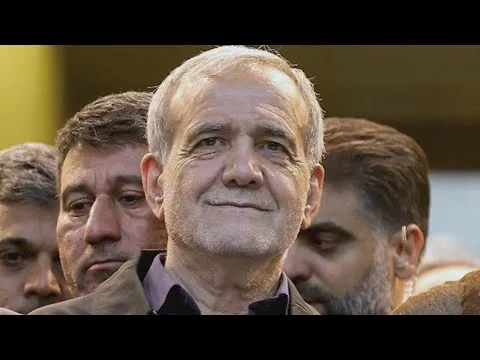
Iran Shuts Strait of Hormuz, Escalating Tensions With U.S.
Tensions are rising sharply between the United States and Iran as a ceasefire nears its end. The crucial Strait of Hormuz, a vital shipping lane, has been closed by Iran for over 24 hours. This move follows reports of at least two ships being fired upon while attempting to pass through the strait overnight.
The U.S. military is pushing back against Iran’s actions, stating they will not be intimidated. Iran’s foreign minister initially suggested the strait would reopen, but Iran has now declared it closed.
In response, the U.S. is prepared to board Iranian-linked ships in and around the Strait of Hormuz. This action is seen as another way the U.S. is applying economic pressure.
The Strait of Hormuz is a narrow waterway, making it a critical bottleneck for global trade. The waters there have become dangerous once again.
This past weekend, three separate incidents were reported by British maritime authorities. Two cargo ships were confirmed attacked, and another incident involved a suspicious splash near a cruise ship.
Iran has threatened to attack any ships that try to pass through the Strait of Hormuz without Iran’s direct permission. Currently, Iran states no ships are allowed to go through. However, President Trump has made it clear that the United States will not give in to this pressure from Tehran.
President Trump has left some mystery about what exactly will happen when the current ceasefire expires in a few days. He mentioned it might be extended, or a deal could be reached before then. This ambiguity leaves options open, and the President has stated the U.S. is not afraid to strike Iran if necessary.
Iran’s Nuclear Ambitions Remain a Sticking Point
For weeks, a major issue in the conflict has been Iran’s nuclear stockpile. Iran’s president has shared his views on the nation’s rights, but there is a fundamental disagreement between the U.S. and Iran on this matter, at least publicly.
The United States does not want to see any Iranian uranium enrichment, either for a long time or indefinitely. Iran, however, continues to insist that this is a right they possess, especially for civilian purposes. The Iranian president stated, “We were not the initiators of the war.
We did not attack anywhere, nor do we currently intend to attack anyone. We are seeking our rights. They are trying through bullying to deny the rights of a nation.”
Despite this fundamental disagreement on nuclear issues, reports from the last round of talks suggested there was a surprising amount of agreement on other matters. However, the gaps remain widest when it comes to Iran’s nuclear ambitions.
Historical Context and Current Dynamics
The Strait of Hormuz has long been a strategic chokepoint in global energy supply. Its closure or disruption has significant implications for oil prices and international trade. Iran has used threats to control passage through the strait before, but this sustained closure, coupled with attacks on shipping, marks a significant escalation.
Historically, Iran has viewed its nuclear program as a matter of national sovereignty and energy security. The international community, led by the U.S., has viewed it with suspicion, fearing it could be used to develop nuclear weapons. This has led to years of tension, sanctions, and diplomatic efforts.
The current situation is happening within the context of ongoing military actions and a fragile ceasefire. The U.S. and its allies have been working to counter Iran’s regional influence and nuclear program. Iran, under pressure, is using the Strait of Hormuz as its primary leverage to impose economic pain.
Why This Matters
The closure of the Strait of Hormuz directly impacts global oil supplies and prices. If disruptions continue, consumers worldwide could face higher energy costs. This can affect everything from the cost of gasoline to the price of goods that rely on transportation.
For Iran, controlling the strait is a way to assert its power and potentially gain concessions in negotiations. It’s a high-stakes move that could lead to further conflict if the U.S. responds militarily. The situation highlights the delicate balance of power in the Middle East and the potential for regional instability.
Implications and Future Outlook
The U.S. response, including the potential boarding of ships, indicates a willingness to maintain freedom of navigation. This could lead to direct confrontations. The approaching end of the ceasefire adds urgency to the situation, as both sides appear unwilling to back down.
The coming days are critical. The decisions made by both the U.S. and Iran will determine whether tensions de-escalate or spiral into a wider conflict. The world watches closely as this standoff unfolds, with significant economic and geopolitical consequences hanging in the balance.
The next few days will be crucial as the ceasefire deadline approaches.
Source: Iran’s president says US trying to deny Tehran its rights | Morning in America (YouTube)

Related Articles

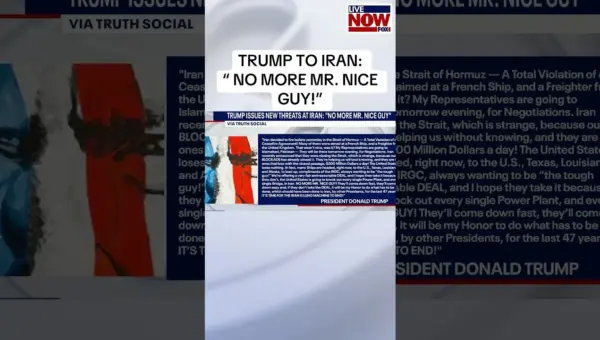
Trump Sends Negotiators to Pakistan for Iran Talks
President Trump announced Sunday that U.S. negotiators are heading to Pakistan for talks with Iran regarding a potential deal. The announcement followed a strong statement from Trump condemning Iran's actions in the Strait of Hormuz and issuing an ultimatum regarding its nuclear program.


Congressman Calls Iran’s Regime ‘Demonic’ Amid Tensions
Congressman Tim Burchett described Iran's regime as "demonic" and "savage" during a recent interview. He expressed strong concerns about Iran's nuclear ambitions and the effectiveness of current international alliances. Burchett believes the regime represents a small portion of the Iranian people and that it will eventually fall.

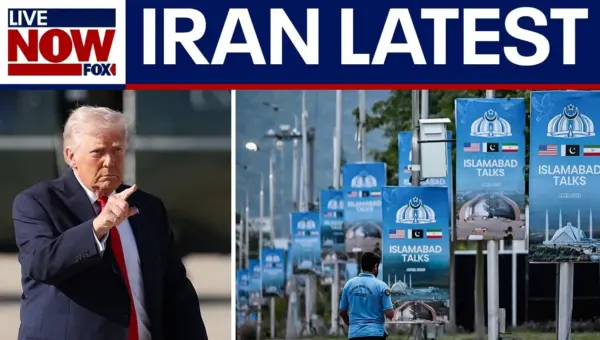
US Talks with Iran Set Amid Tensions, Ceasefire Nears End
US negotiators are heading to Pakistan for talks with Iran as a critical ceasefire nears its April 22nd expiration. Iran has stated it is not ready for direct talks, citing US "maximalist demands." The situation is complicated by conflicting messages, internal Iranian power dynamics, and President Trump's strong rhetoric.