US Talks with Iran Set Amid Tensions, Ceasefire Nears End
US negotiators are heading to Pakistan for talks with Iran as a critical ceasefire nears its April 22nd expiration. Iran has stated it is not ready for direct talks, citing US "maximalist demands." The situation is complicated by conflicting messages, internal Iranian power dynamics, and President Trump's strong rhetoric.

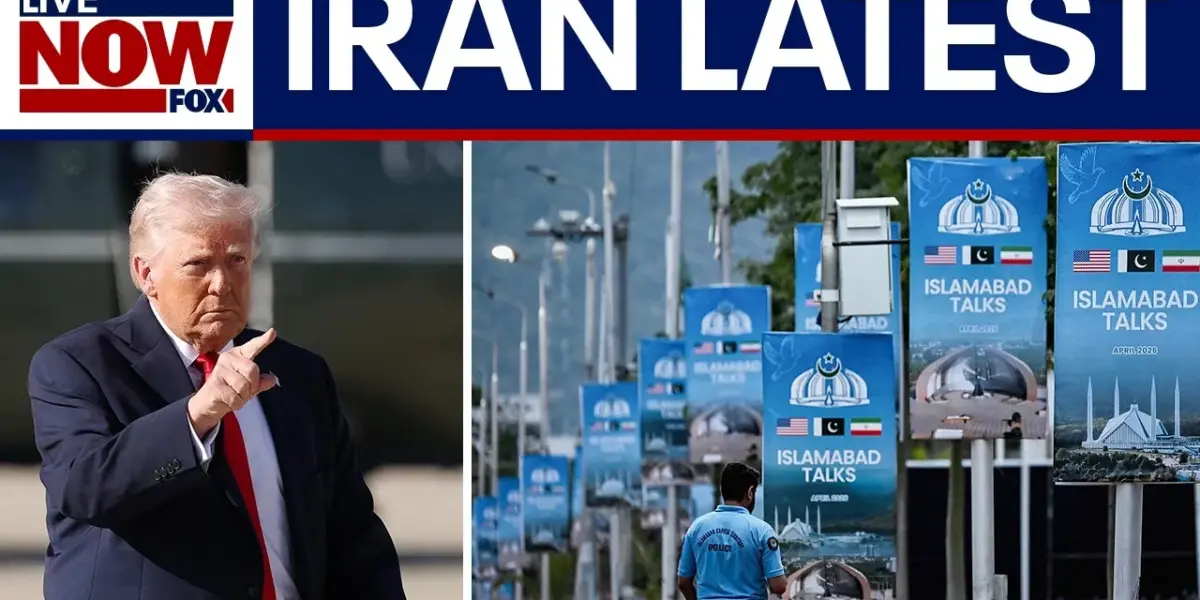
US Negotiators Head to Pakistan for Talks with Iran
US negotiators are reportedly traveling to Islamabad, Pakistan, for talks with Iranian officials as a critical ceasefire between the two nations approaches its expiration on April 22nd. The announcement comes amidst conflicting messages and heightened tensions following recent incidents in the Strait of Hormuz.
Iran Rejects Direct Talks Amid ‘Maximalist Demands’
A senior Iranian official stated on Saturday that Iran is not prepared for direct, face-to-face negotiations with the United States. This refusal stems from Washington’s alleged unwillingness to abandon what Iran describes as “maximalist demands” on key issues. The official also rejected claims made by US President Donald Trump regarding Iran’s enriched uranium.
In a recent interview, Iran’s deputy foreign minister confirmed that the country would not hand over its enriched uranium to the United States. This directly challenges President Trump’s public statement that US negotiators would go to Iran to “Get all the nuclear dust.” Trump was referring to an estimated 970 pounds of enriched uranium believed to be stored at sites damaged by US military strikes last year.
Fragile Truce Benefits Both Sides, But Incentives Differ
Jonathan S., an Iran program research analyst with the Foundation for the Defense of Democracies, described the current situation as a “fragile truce.” He explained that both the US and Iran have benefited from a period of calm, but their motivations differ significantly.
“On one hand of course, Trump wanted to calm the markets politically and economically. On the other hand, the Islamic Republic was suffering a devastating blow to its military apparatus.”
S. Noted that the ceasefire offered greater benefits to the Iranian regime, which faced what he termed an “existential threat.” For the United States, the benefits were primarily economic. This disparity gives Tehran a stronger incentive to exploit the ceasefire, especially when they perceive the US is eager for a swift diplomatic resolution.
He also highlighted a key challenge in negotiations: the Iranian government is not a single, unified entity. “The guys in suits that appear on behalf of Tehran and their diplomats are not the ones calling the shots. It comes down to the IRGC,” S.
Stated, referring to the Islamic Revolutionary Guard Corps. This means negotiators may be dealing with competing interests within the Iranian leadership, making the process complex.
Internal Iranian Dynamics and Competing Narratives
Addressing potential internal debates within Iran’s leadership, S. Explained that while leadership changes have occurred, the core hardline stance remains. The grievances and competing interests among different factions of the regime have always existed and were exacerbated by recent conflicts.
There are unconfirmed reports suggesting a potential reluctance within the presidency to fully coordinate with the IRGC. However, S.
Cautioned that even if true, the president is not the ultimate decision-maker. The core debate, he explained, lies between policymakers who believe they hold leverage and could gain more from the current administration, viewing compromise as weakness.
Conversely, a pragmatic faction recognizes the existential threat posed by a prolonged or escalating war, particularly if it were to extend into Iranian territory. These two competing narratives influence Iran’s approach to negotiations.
Trump’s Strong Rhetoric and Negotiation Strategy
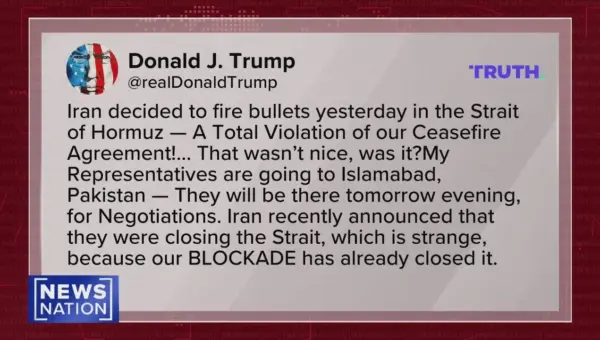
In a recent social media post, President Trump issued a strong warning to Iran, accusing them of violating the ceasefire agreement by firing at French and UK ships in the Strait of Hormuz. He announced that US representatives would travel to Islamabad for negotiations.
“Iran decided to fire bullets yesterday in the Strait of Hormuz, a total violation of our ceasefire agreement. Many of them were aimed at a French ship and a freighter from the United Kingdom.
My representatives are going to Islamabad, Pakistan. They will be there tomorrow evening for negotiations.”
Trump asserted that Iran’s threat to close the Strait was irrelevant, as the US blockade had already effectively closed it, costing Iran an estimated $500 million per day. He emphasized that the US offered a “fair and reasonable deal” and warned of severe consequences if it were not accepted.
“If they don’t take the deal, the United States is going to knock out every single power plant and every single bridge in Iran. No more Mr. Nice Guy.”
He concluded by stating it was time for the “Iran killing machine to end,” suggesting that past presidents had failed to take decisive action.
Analysis of Trump’s Stance and Negotiation Points
S. Broke down President Trump’s message into three main themes.
First, the ongoing nuclear negotiations, which reportedly center on short-term sanctions relief or the release of frozen assets in exchange for enriched uranium. However, he noted this is a simple transaction and does not address Iran’s broader centrifuge capabilities.
Second, the incidents in the Strait of Hormuz raise questions about the consistency of messaging and negotiations. S. Pointed out a disconnect between Iran’s portrayal of events and the US administration’s statements, suggesting Iran might be buying time with dual messaging.
Third, Trump’s focus on the economic angle highlights Iran’s deteriorating economy. Disrupting Iran’s cash flow is seen as crucial for creating internal fractures.
If a deal with current officials proves impossible, the strategy may shift towards provoking internal unrest among the Iranian people, which S. Identifies as the regime’s greatest existential threat.
Iranian Public Sentiment and Internal Repression
The mood on the ground in Iran is described as “less than ideal” due to the devastating impact of the war. S. Drew a stark comparison between current casualties and a past event where an estimated 40,000 people were killed within 48 hours, noting that civilians were the primary targets then, whereas current conflict casualties, though horrific, did not have civilians as the main target.
Since the announcement of the ceasefire and President Trump’s statements about regime change, internal repression in Iran has reportedly escalated. Increased checkpoints, the use of force against citizens, and the deployment of foreign proxy forces from Iraq, Pakistan, Afghanistan, and Lebanon have been reported. These measures appear aimed at terrorizing the population and suppressing dissent.
S. Suggested that the US could adopt a dual-track messaging strategy, addressing both Iranian leadership and the Iranian population, to maintain pressure and ensure that the people are not forgotten. He also mentioned the critical role of Israel in targeting Iran’s repression apparatus, suggesting the US could enable such actions with plausible deniability, mirroring Iran’s use of proxies.
Looking Ahead: Escalation or Negotiation?
With the ceasefire set to expire on April 22nd, the situation remains highly volatile. The coming week will likely reveal whether tensions will escalate further or if meaningful negotiations can lead to a de-escalation. The outcome will depend on the complex interplay between US and Iranian leadership, internal Iranian dynamics, and the broader geopolitical context.
Source: Trump: U S negotiators going to Pakistan for talks with Iran (YouTube)

Related Articles
Trump Claims Iran Violated Ceasefire in Hormuz Strait
President Trump accused Iran of violating a ceasefire by firing on ships in the Strait of Hormuz. Conflicting reports and "media warfare" from both sides create confusion. The situation impacts global oil prices and highlights the ongoing diplomatic challenges.

Strait of Hormuz Reopens, Easing Global Oil Fears
The Strait of Hormuz has reopened, potentially easing global economic pressures and lowering oil prices. Meanwhile, singer D4vd has been arrested on suspicion of murder, with new details emerging about the case. A broader investigation is underway into the suspicious deaths and disappearances of 11 scientists involved in sensitive US research.

Trump’s Iran Claims Ignite Crisis, Sparking Emergency Talks
Reports detail an emergency meeting convened by Donald Trump following Iran's denial of his claims about a trade deal. Iran has threatened to close the Strait of Hormuz, escalating tensions. Analysis suggests military pressure is unlikely to yield concessions from Iran, potentially leading to further confrontation.