Trump Claims Iran Violated Ceasefire in Hormuz Strait
President Trump accused Iran of violating a ceasefire by firing on ships in the Strait of Hormuz. Conflicting reports and "media warfare" from both sides create confusion. The situation impacts global oil prices and highlights the ongoing diplomatic challenges.

Trump Claims Iran Violated Ceasefire in Hormuz Strait
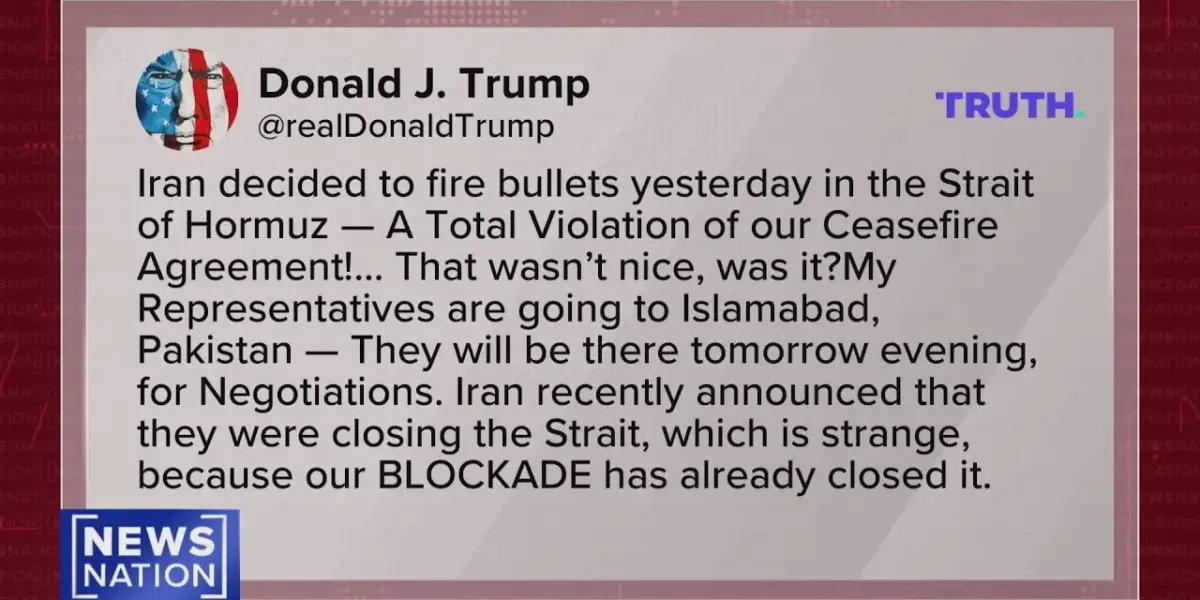
President Trump recently accused Iran of breaking a ceasefire agreement. He stated on social media that Iran fired on multiple ships in the Strait of Hormuz.
This action, he believes, is a clear violation of their deal. The President also mentioned that U.S. representatives are heading to Pakistan for negotiations.
Iran had previously announced it was closing the Strait of Hormuz. Trump countered this by saying a U.S. blockade had already effectively closed it.
This back-and-forth creates a confusing situation. It highlights the complex nature of the ongoing talks between the two nations.
Conflicting Reports and “Media Warfare”
The situation is made more confusing by conflicting reports. Iran’s parliament speaker suggested that “media warfare” is part of the conflict.
This means public opinion is being shaped through information control. In just one day, the Strait of Hormuz was reported as both open and closed.
This constant flow of updates makes it hard to follow. Different sides present their own versions of events.
For example, President Trump’s accusation of a ceasefire violation came shortly after Iran’s foreign ministry spokesman blamed the U.S. for violating international law with its blockade. Iran called the blockade a crime against humanity, stating the Iranian people would suffer.
A Strategic Game of Negotiation
The rapid changes in reports about the Strait of Hormuz suggest a strategic game. Both sides appear to be posturing and playing for advantage in the negotiations.
On Friday, Iran’s foreign minister announced the Strait was open. This news initially caused oil prices to drop and stocks to rise.
However, later that day, a different Iranian parliamentary speaker stated the Strait was not open for business. This created immediate confusion and uncertainty. These actions seem designed to influence the ongoing diplomatic discussions.
Behind the Scenes: Military and Diplomacy
While public statements create a lot of noise, what’s happening behind the scenes is less clear. The White House has been very quiet about the details. Reports indicate a meeting occurred in the Situation Room, including the Chairman of the Joint Chiefs of Staff.
This suggests military strategy is a key part of the discussions. President Trump has made strong statements, even threatening to target more Iranian infrastructure if a deal isn’t reached. U.S. forces in the region are reportedly preparing to act if ordered by the President.
Impact on Oil Prices and the Economy
The developments in the Strait of Hormuz have a direct impact on global oil prices. When the Strait was reported as open on Friday, oil and gas prices fell. This offered some relief to consumers.
However, the ongoing uncertainty makes it difficult to predict future price trends. Economists are concerned that oil prices may not recover for a long time due to the situation. The White House understands that gas prices will likely fluctuate based on these ongoing peace talks and potential conflicts.
Why This Matters
The Strait of Hormuz is a critical chokepoint for global oil transportation. About 20% of the world’s oil passes through this narrow waterway every day. Any disruption there can send shockwaves through the global economy, affecting everything from gas prices at the pump to the cost of goods worldwide.
The conflict between the U.S. and Iran, particularly concerning the Strait, is more than just a regional issue. It has real-world consequences for economies and consumers far beyond the Middle East. The constant tension and unpredictable nature of the situation create instability that affects global markets.
Historical Context and Future Outlook
Tensions between the U.S. and Iran have a long history. The Strait of Hormuz has often been a flashpoint in these relations. Iran has previously threatened to close the Strait to disrupt oil shipments, especially during times of heightened conflict or sanctions.
The current situation involves complex negotiations, possibly related to Iran’s nuclear program. The U.S. goal, as stated, is to get rid of Iran’s nuclear material.
The effectiveness of these negotiations, and whether they lead to lasting stability, remains to be seen. The upcoming talks in Pakistan will be a key indicator of the direction these relations are heading.
The U.S. delegation is expected to arrive in Islamabad for talks. This meeting represents another opportunity for diplomacy amidst the heightened tensions. The world will be watching to see if a breakthrough can be achieved, or if the cycle of threats and counter-threats will continue.
Source: Trump accuses Iran of ceasefire violation in Hormuz | Morning in America (YouTube)

Related Articles

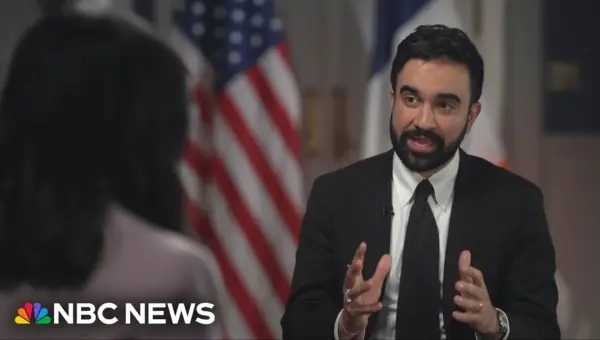
Mayor Mamdani Delivers on Promises, Tackles Budget Woes
Mayor Zohran Mamdani outlined progress on his campaign promises, including universal childcare and faster buses, during his first 100 days. He is addressing a $5.4 billion budget shortfall through progressive taxation and plans for city-run grocery stores. Mamdani also discussed his productive relationship with President Trump and his commitment to New York City.
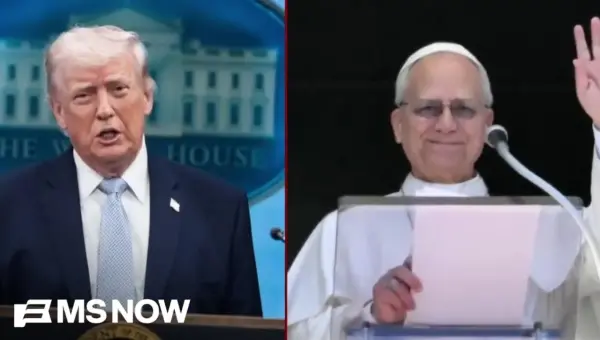
Trump’s Divine Claims Fuel Feud with Pope Francis
Former President Donald Trump has escalated his feud with Pope Francis by sharing an AI image of himself as a Jesus-like figure and planning a marathon Bible reading. Analysts suggest his actions are fueled by those around him who encourage him to see himself as divinely appointed, a sentiment echoed by some political allies.
GOP Rebels Defy Trump on Surveillance Bill
Twenty Republican lawmakers defied President Trump this week, voting against a renewal of the Foreign Intelligence Surveillance Act (FISA). The dissent forced a short-term extension of the law and signals growing divisions within the GOP, raising questions about Trump's influence. This rebellion highlights internal power struggles and principled stands on surveillance within the party.