GOP Rebels Defy Trump on Surveillance Bill
Twenty Republican lawmakers defied President Trump this week, voting against a renewal of the Foreign Intelligence Surveillance Act (FISA). The dissent forced a short-term extension of the law and signals growing divisions within the GOP, raising questions about Trump's influence. This rebellion highlights internal power struggles and principled stands on surveillance within the party.

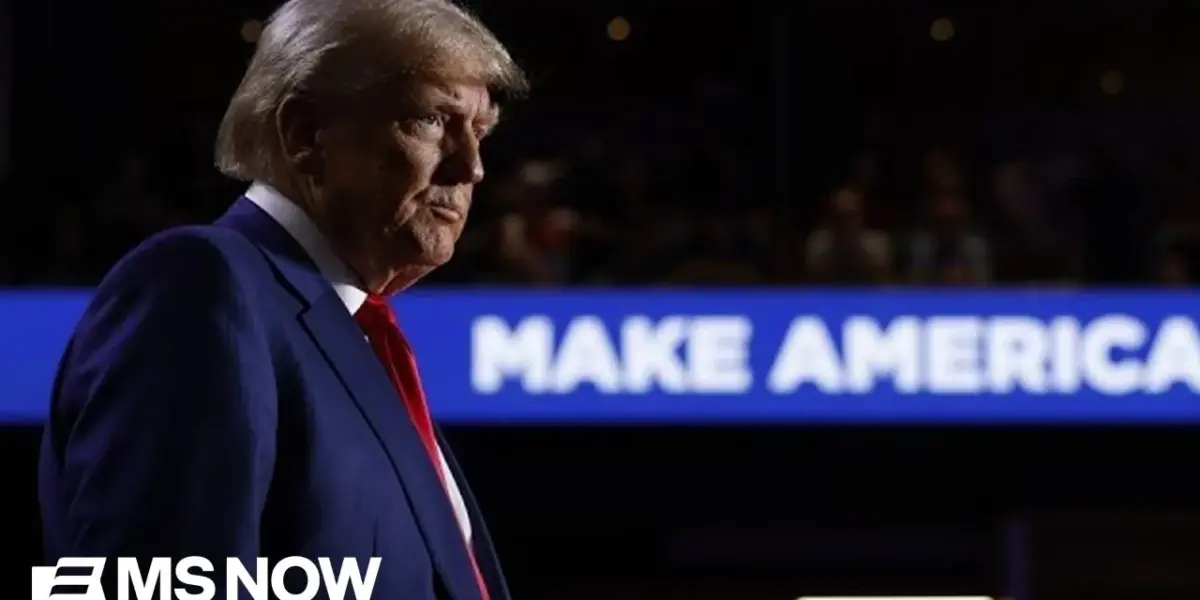
GOP Lawmakers Break Ranks on Key Surveillance Measure
In a significant display of independence, 20 Republican lawmakers in the House of Representatives defied President Donald Trump this week by voting against a renewal of the Foreign Intelligence Surveillance Act (FISA). The move led to a short-term extension of the law, highlighting growing divisions within the Republican party and questioning Trump’s once-absolute control over his congressional allies.
The vote, which occurred late Friday night, was seen as a major blow to Trump’s efforts to secure an 18-month renewal of FISA. House Speaker Mike Johnson’s attempt to rally support for the bill failed, forcing Congress to grant a mere 10-day extension. This brief reprieve allows lawmakers time to continue debating the controversial surveillance powers.
FISA Controversy and Republican Divisions
The Foreign Intelligence Surveillance Act, particularly Section 702, has become a focal point of debate. This section, enacted after the September 11th attacks, allows U.S. intelligence agencies to collect communications data of foreign nationals located outside the United States. However, critics argue that it can inadvertently sweep up the personal data of Americans.
Alex Shepard, senior editor at The New Republic, noted the significance of the Republican dissent. “This is pretty significant in that 20 Republicans, you know, it’s not nothing,” Shepard stated. He contrasted this with previous instances where fewer Republicans opposed measures related to war powers.
Shepard explained that while Trump himself has expressed opposition to FISA when he felt it was used against him, his administration now supports its broad powers. This shift highlights a potential disconnect between Trump’s personal grievances and the executive branch’s operational needs.
Emerging Factions Within the GOP
The rebellion against Trump’s wishes on FISA suggests a growing willingness among some Republicans to challenge him. Shepard believes this indicates the emergence of factions within the GOP that are pushing back against established party lines. “What we’re seeing here right now is that, you know, Mike Johnson basically called the kind of 11th literally an 11th hour vote…
And he couldn’t do it. You know, it was a huge humiliation for him,” Shepard said.
This defiance may stem from various factors. Some Republicans might hold principled stands on civil liberties and privacy concerns related to surveillance. Others may see an opportunity to assert their independence as Trump’s influence potentially wanes or as they look to position themselves for future leadership roles within the party.
The current political climate, with a president nearing 80 and a party seeking its future direction, could be creating openings for such challenges. “There is an opportunity to move here,” Shepard commented, referring to lawmakers who prioritize issues like civil liberties.
The Future of the MAGA Movement
Beyond immediate political battles, the events surrounding the FISA vote offer insights into the evolving nature of the MAGA movement. Shepard suggested that figures within the movement are beginning to look beyond Trump himself, considering who will control and shape its priorities in the future.
This internal jockeying for influence is also visible among prominent conservative voices. Figures like Tucker Carlson and Marjorie Taylor Greene, once staunch Trump loyalists, have shown signs of distancing themselves. Shepard pointed to a potential “betrayal” if the administration appears to abandon the non-interventionist foreign policy principles espoused by Trump in 2016.
Opportunism also appears to play a role. With the president’s approval ratings fluctuating, some lawmakers may be making long-term strategic decisions. “They’re starting to make long-term plays and they can,” Shepard observed, noting that elected officials must still consider their own re-election prospects in November.
Potential Successors Emerge
The question of who might inherit the mantle of leadership within the populist wing of the GOP is becoming increasingly relevant. Names like Senator J.D. Vance and Secretary Marco Rubio are frequently mentioned as potential future leaders.
Shepard finds the dynamic between Rubio and Vance particularly interesting. He described Rubio as representing a potential “continuity” with an updated image for the party. Vance, on the other hand, is seen by some as more opportunistic and potentially aiming to position himself as a steward of Trump’s legacy.
The handling of recent foreign policy events, such as the conflict in Iran, has drawn scrutiny to Vance’s positions. Shepard noted that Vance’s responses have been interpreted differently, with some seeing principled stands and others viewing them as calculated political moves.
What’s Next for FISA and the GOP
Congress has until December 15th to reach a consensus on the FISA renewal. The outcome of these negotiations will not only determine the future of the surveillance law but also offer further clues about the shifting power dynamics within the Republican party and the enduring influence of Donald Trump.
Source: TRUMP HUMILIATED: 20 Republicans defy Trump’s push to renew surveillance act (YouTube)

Related Articles
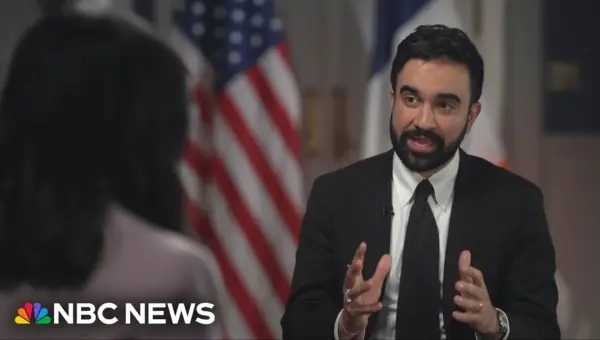
Mayor Mamdani Delivers on Promises, Tackles Budget Woes
Mayor Zohran Mamdani outlined progress on his campaign promises, including universal childcare and faster buses, during his first 100 days. He is addressing a $5.4 billion budget shortfall through progressive taxation and plans for city-run grocery stores. Mamdani also discussed his productive relationship with President Trump and his commitment to New York City.
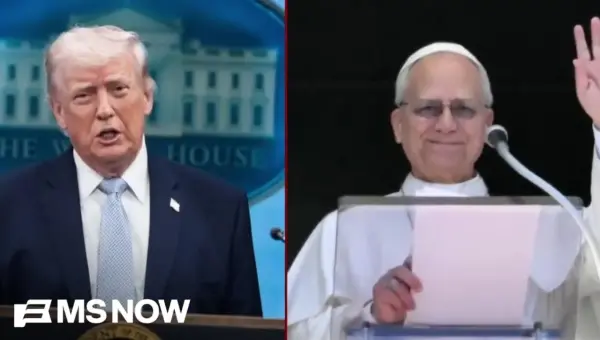
Trump’s Divine Claims Fuel Feud with Pope Francis
Former President Donald Trump has escalated his feud with Pope Francis by sharing an AI image of himself as a Jesus-like figure and planning a marathon Bible reading. Analysts suggest his actions are fueled by those around him who encourage him to see himself as divinely appointed, a sentiment echoed by some political allies.
Trump Mulls Cuba Action Amid Secret Talks, Pentagon Prep
U.S. officials held secret talks in Cuba while the Pentagon reportedly planned military options, raising questions about future U.S. policy. An expert believes military action is unlikely due to Cuban military loyalty and economic interests, suggesting a focus on economic reforms instead.