US Policy in Iran Falters: Experts Doubt Administration’s Strategy
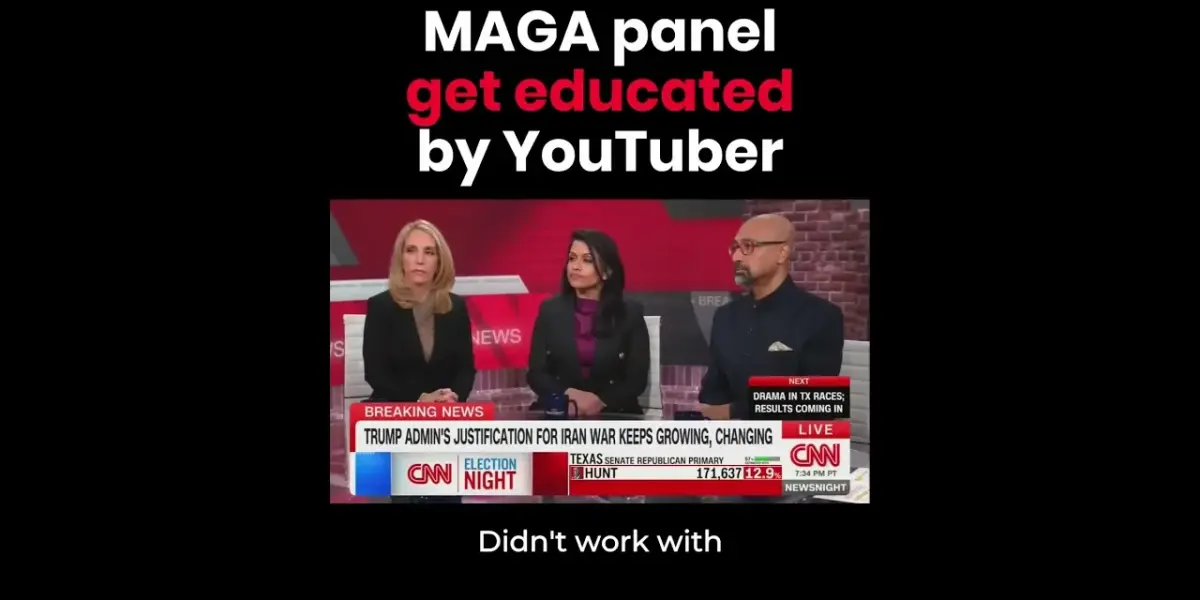
US policy towards Iran faces criticism for lacking a clear strategy. Experts point to past failures where removing leaders led to worse outcomes. The current administration's apparent absence of a transition plan raises serious concerns about potential instability.

US Policy in Iran Falters: Experts Doubt Administration’s Strategy
Many want to see Iran’s current government removed. However, the United States has tried this approach for many years without success.
Past attempts show that simply removing a leader doesn’t fix everything. This has led to concerns about the current administration’s strategy.
The idea of taking out a leader, like a dictator, sounds simple. But history shows it often makes things worse. Think about what happened in Libya after Gaddafi was removed.
Or in Iraq after Saddam Hussein was overthrown. In both cases, the situations became more unstable and dangerous.
This approach fails because it lacks a plan for what comes next. Removing a leader without a solid plan to build new, stable institutions is like tearing down a house without knowing how to rebuild it. You end up with a mess, not a better structure.
The current US administration seems to be making this same mistake. They appear to have no clear plan for Iran after any potential regime change. There’s no detailed strategy for a transition period or for establishing a new government.
This lack of foresight is deeply concerning. It suggests a potential repeat of past failures. The administration might not even have a clear idea of who would step in or how a new system would be put in place.
Conflicting Messages and Lack of Clarity
Adding to the confusion, there are conflicting messages coming from within the government. For example, Senator Marco Rubio has contradicted President Donald Trump on certain points. This shows a lack of unified thinking on foreign policy.
Even President Trump has appeared to contradict himself on this issue. This makes it hard for allies and adversaries alike to understand the US position. Such mixed signals can weaken America’s standing on the world stage.
Some officials seem unclear about basic concepts. Senator Mark Wayne Mullen, for instance, has shown confusion about the meaning of ‘war.’ This suggests a lack of deep understanding among key figures, which is dangerous when dealing with complex international conflicts.
Why This Matters
The strategy the US chooses for Iran has significant consequences. A poorly planned intervention could lead to widespread chaos, humanitarian crises, and increased regional instability. This could draw the US into a prolonged and costly conflict.
A stable Iran is important for global security and the world economy. Unpredictability in the region can disrupt oil supplies and affect international trade. Therefore, a well-thought-out policy is crucial, not just for Iran, but for the entire world.
Historical Context and Future Outlook
For decades, US policy towards Iran has been complex and often focused on containment or influencing internal politics. Attempts to directly influence regime change have rarely gone according to plan. The Iranian revolution in 1979 marked a turning point, leading to decades of strained relations.
Past administrations, including those of Bush and Obama, faced similar challenges in crafting effective Iran policy. President Trump promised a different approach, but the current situation suggests that the fundamental challenges remain unsolved. The administration’s current direction seems to follow old patterns rather than offering new solutions.
The lack of a clear, cohesive plan is a worrying trend. It suggests that decision-makers may not fully grasp the complexities of Iranian society or the potential fallout of intervention. Without a robust strategy for building lasting institutions, any gains from removing a leader could be quickly lost.
The future outlook depends heavily on whether the administration can develop a coherent and realistic plan. This plan must consider not only removing the current regime but also establishing a stable, democratic future for Iran. It needs to involve international cooperation and a deep understanding of the country’s internal dynamics.
Moving forward, the focus needs to be on diplomacy and supporting internal reform movements. A military-first approach, especially one without a clear exit strategy or a plan for post-conflict stability, is a risky gamble. The world is watching to see if the US can learn from its past mistakes.
The administration must present a clear, actionable plan for Iran’s future by the end of the year.
Source: MAGA Pundits Humilitated On Live TV (YouTube)

Related Articles

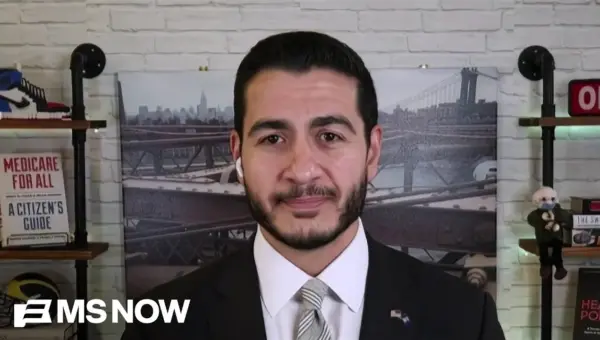
El-Sayed Blasts Trump’s Iran War: “How the Hell Did We Get Here?”
Progressive Senate candidate Abdul El-Sayed is challenging the status quo in Michigan with sharp critiques of U.S. foreign policy and the healthcare system. He questions the rationale behind the Iran conflict and advocates for Medicare for All, aiming to engage voters often left out of traditional politics.

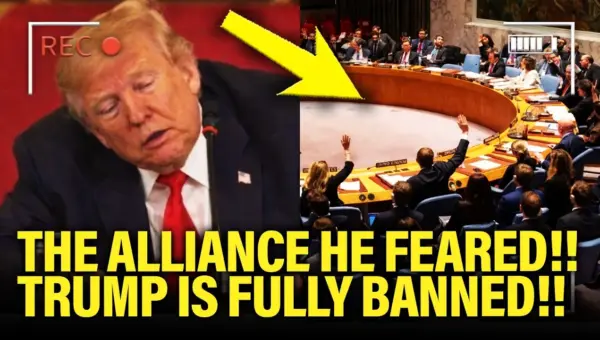
Global Leaders Shun Trump, Forge New Alliances Abroad
World leaders are increasingly excluding Donald Trump from international conferences, signaling a global pushback against his movement. Nations are exploring new alliances and security frameworks independent of the U.S., driven by concerns over American reliability and the rise of right-wing ideologies.

Iran Deal: A Risky Gambit or a Diplomatic Triumph?
President Trump claimed a major breakthrough with Iran, but conflicting reports and denials from Tehran cast doubt on the deal's finality. Experts warn of Iran's complex negotiating tactics, stressing the need for verifiable actions over mere words. The situation's outcome carries significant implications for regional stability and U.S. foreign policy.