U.S. Steel CEO Eyes Growth, Revives Gary Tin Mill
U.S. Steel is reviving its Gary, Indiana tin mill, creating 220 jobs and boosting its partnership with Nippon Steel. CEO David Burritt expressed strong optimism, highlighting investments and job growth. The move underscores steel's importance for national security and its role in the auto industry.

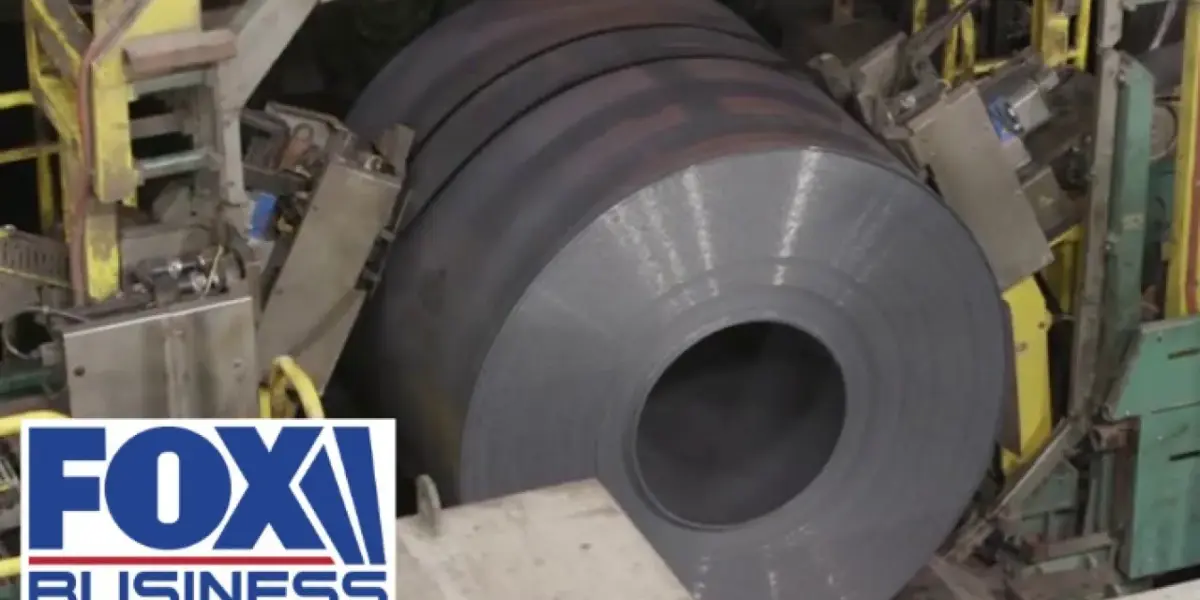
U.S. Steel CEO Eyes Growth, Revives Gary Tin Mill
U.S. Steel is bringing back its tin mill in Gary, Indiana, a move that promises to create 220 union jobs and five leadership positions. This decision signals a strong belief in rising demand for steel products.
CEO David Burritt highlighted the crucial partnership with Nippon Steel as a key factor enabling this restart. The collaboration, initiated just nine months ago, has already proven fruitful.
This revival addresses concerns that selling assets to foreign companies might harm American jobs. Burritt emphasized that the partnership with Nippon Steel is actually strengthening the company and creating opportunities.
He pointed to Nippon’s investment of $14 billion, with $10.8 billion committed by the end of 2028, as evidence of this commitment. This investment includes bringing new technology to U.S. Steel.
Granite City Restart Shows Demand Trend
The Gary Tin Mill is not the only facility seeing renewed activity. U.S. Steel also restarted the Granite City, Illinois, blast furnace on March 30th.
This move brought back approximately 400 jobs and was also driven by increasing demand. Nippon Steel’s expertise and its expatriate workers are helping to transfer advanced technology and improve operations.
Burritt expressed strong optimism about the company’s future, stating, “Our best days are ahead.” He sees the partnership with Nippon Steel as a win for everyone involved. This collaboration celebrates U.S. Steel’s 125th anniversary and aligns with America’s 250th year. The company is actively hiring, reflecting its growth trajectory.
Steel’s Role in National Security and Auto Industry
The importance of steel in national security is a recurring theme. President Trump has previously stated that steel is a critical material for defense.
Reports indicate discussions between the Trump administration’s defense department and the auto industry about using factory space for munitions manufacturing, echoing World War II efforts. U.S. Steel sees the auto industry as its most important customer.
“We’re patriots and here for America and we do what’s right for America.”
David Burritt, U.S. Steel CEO
To ensure American interests are protected, U.S. Steel agreed to a “golden share” with Nippon Steel. This arrangement allows the U.S. administration to have a say in company decisions and appoint a board member.
This structure was negotiated as part of the deal and received approval from the Committee on Foreign Investment in the United States (CFIUS). The company views this as a positive step that benefits both the U.S. and U.S. Steel.
Labor Relations and Trade Policies
Burritt also discussed his positive interactions with union leadership, particularly with Roxanne Brown, the new leader of the United Steelworkers (USW). He described his conversations as more productive than with previous leadership. Brown, known as the “Velvet Hammer,” is seen as a strong advocate for workers, and Burritt looks forward to strengthening their relationship.
Trade policies, including existing 50% tariffs on imported steel and aluminum, continue to influence the market. The European Union is expected to implement its own tariffs, which could benefit U.S. Steel’s operations in Slovakia.
The company believes that protecting essential industries like steel is vital for national security and self-sufficiency. China’s significant share of global steel production remains a point of concern, prompting U.S. Steel to pursue fair trade practices.
Global Demand and Energy Costs
The World Steel Organization has lowered its forecast for global steel demand due to the war in Iran. However, U.S. Steel sees potential advantages in the current uncertain environment.
Higher energy costs and global uncertainty can deter illegal imports, making it harder for foreign steel to reach American customers reliably. This situation helps create a more level playing field for domestic producers.
Despite global challenges, U.S. Steel remains focused on its domestic operations and strategic partnerships. The company is committed to fair competition and believes it can thrive when operating on equal terms with international competitors. The ongoing restarts and investments signal a proactive approach to meeting market demands and securing its position in the industry.
Source: ‘BEST days are ahead’: US Steel CEO on restarting Gary Tin Mill (YouTube)

Related Articles

Trump’s Economic Plan Fuels Michigan Job Growth, Boosts Pay
Vice President Vance highlighted Michigan's economic gains under Trump's policies, citing job growth and increased worker pay. He contrasted these achievements with the economic struggles faced during the Biden administration, urging voters to support a continuation of Trump's agenda.
Tariffs Threaten US Jobs, Sparking Automation Fears
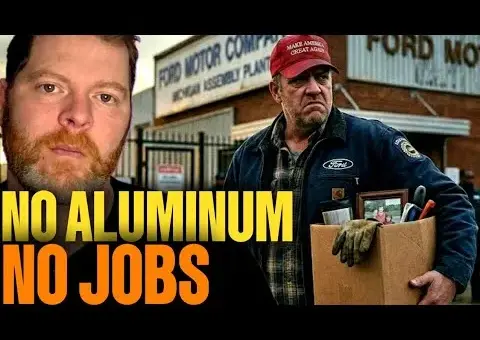
New U.S. tariffs on aluminum imports are driving up costs for manufacturers, particularly in the auto industry. This is leading to fears of job losses and a faster push towards automation. The policy raises questions about the government's role in the economy and its impact on everyday Americans.
Tariffs Bolster US Steel, Aluminum Amid China’s ‘Rob, Replicate, Replace’ Strategy
New tariffs are strengthening the U.S. steel and aluminum industries, encouraging significant domestic investment and job growth. These measures counter China's 'rob, replicate, replace' strategy and are seen as vital for national security and economic independence.