Iran’s Strait of Hormuz Gambit: Power Play or Desperate Move?
Iran's fluctuating stance on the Strait of Hormuz suggests a strategic bid for negotiation leverage rather than internal conflict. Analysts believe Iran is using its ability to disrupt shipping as a bargaining chip, while the US considers options like port blockades and targeted strikes. The coming days are critical as a deadline looms, potentially determining the path towards diplomacy or renewed military action.

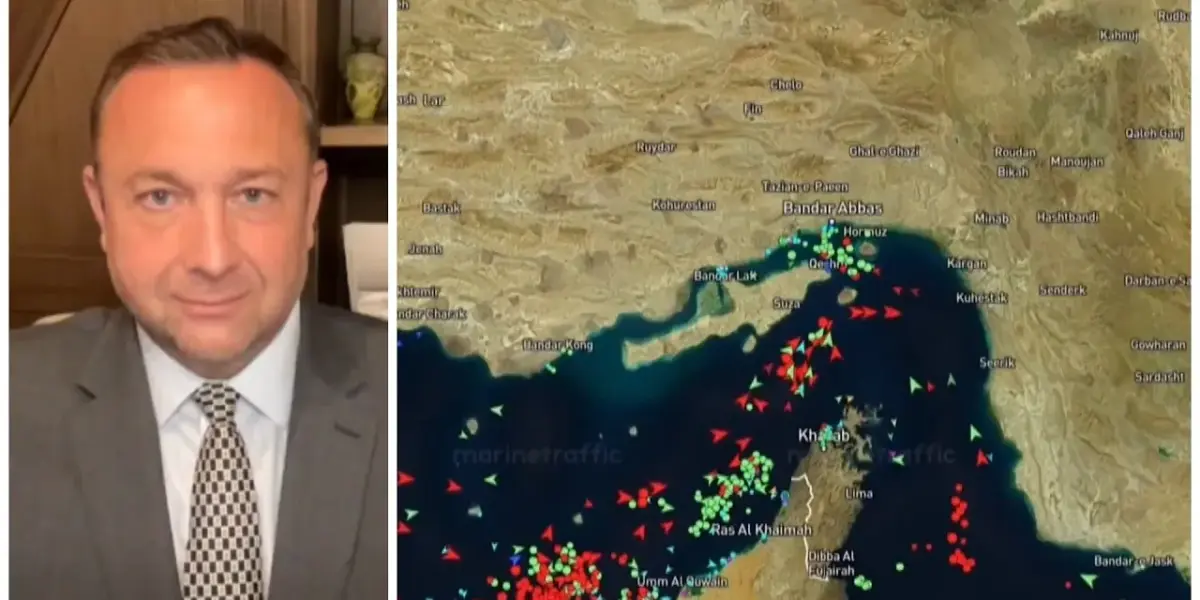
Iran’s Strait of Hormuz Gambit: Power Play or Desperate Move?
Iran’s actions regarding the Strait of Hormuz have created confusion, with conflicting messages about its openness. One day the waterway is declared open, the next it’s restricted again. This back-and-forth raises questions about Iran’s true intentions and its position in ongoing negotiations.
Analysts suggest this isn’t necessarily a sign of internal government conflict. Instead, it may be a calculated strategy to gain leverage before a crucial deadline. Iran’s leaders are reportedly trying to place themselves in the strongest possible position for upcoming talks with the United States.
The Strait of Hormuz: A Critical Chokepoint
The Strait of Hormuz is a vital narrow waterway connecting the Persian Gulf to the open ocean. A significant portion of the world’s oil supply passes through this strategic passage every day. Any disruption here can have immediate and far-reaching economic consequences globally.
Historically, control over this strait has been a major point of contention in the region. Iran has often used its strategic location to assert influence and pressure other nations, particularly during times of political tension.
Iran’s Control: More Than Just Gunboats
Reports of Iranian gunboats firing on passing vessels highlight Iran’s ability to disrupt traffic. While they may not have complete physical control, their actions create significant risks. This increased danger forces cargo ships and oil tankers to face higher insurance costs and potential delays.
Effectively, Iran can maintain influence over who and what passes through the strait with relatively little effort. The United States faces a choice: reach a diplomatic agreement or take action to counter Iran’s assertiveness.
A Bargaining Chip or a Sign of Weakness?
This latest move to restrict passage is seen by some as Iran trying to use its remaining strength. Despite facing international pressure, Iran appears determined to resist. The regime’s willingness to fight is a serious consideration, according to Middle East affairs analyst Gerard Filitti.
Filitti describes Iran as a “despotic regime” with a history of supporting terrorism. For such a government, the value of human life or the smooth flow of commerce is secondary to its political aims. Maintaining power and projecting strength to its own people are key motivations, even if it means threatening or attacking ships.
US Options: Blockade and Strikes
The United States has several options if Iran continues to weaponize the strait. One strong approach involves enforcing a blockade of Iranian ports. This could stop vessels, such as those from China carrying arms, from reaching Iran.
Such a blockade would pressure Iran by hindering its ability to rearm, export oil, and secure vital financial assets. Simultaneously, the US could resume targeted strikes against Iranian facilities used to attack ships. This combined strategy aims to cut off resources and deter further aggression.
Diplomacy Amidst Tension
Despite the escalating tensions, President Trump has expressed optimism about the ongoing negotiations. He has stated that Iran cannot be blackmailed, suggesting a firm stance from the US side. This optimism might stem from Iran’s continued engagement at the diplomatic table.
However, there’s a crucial question of good faith. Are the ongoing talks genuine, or is Iran simply saying what the US wants to hear without intending to follow through? The differing statements from Iranian officials, such as the foreign minister and the IRGC, suggest a complex internal dynamic that could impact any agreement.
The Role of Pakistan and the Coming Days
Pakistan has been actively involved in mediating these talks, even sending its army chief to Tehran. Stronger statements from Pakistan are expected, urging both sides to reach a compromise. A key concern for Pakistan is Iran presenting a unified voice in its negotiations.
The next 48 hours are critical. If a deal isn’t reached by Wednesday, the fragile truce could collapse. This could lead to a return to military conflict, as President Trump has warned that “bombs would fall again” if an agreement isn’t made.
Why This Matters
The situation in the Strait of Hormuz directly impacts global energy markets and international security. Any prolonged disruption could lead to significant increases in oil prices, affecting economies worldwide. The standoff highlights the complex geopolitical challenges in the Middle East and the delicate balance of power between Iran and the United States.
Looking Ahead
The coming days will reveal whether diplomacy or military action will prevail. The outcome will depend on Iran’s willingness to negotiate in good faith and the US’s continued resolve to protect vital shipping lanes. The world watches closely as this critical deadline approaches.
Source: Iran Reimposes Restrictions on Strait of Hormuz: Analyst (YouTube)

Related Articles

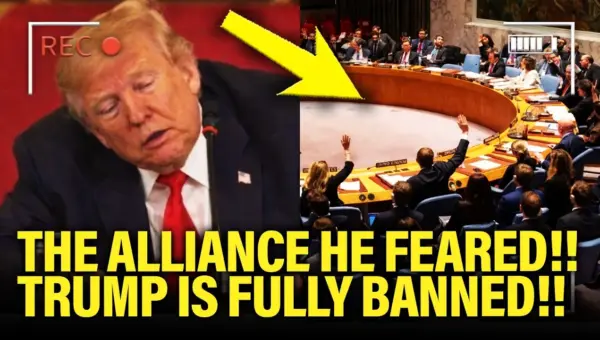
Global Leaders Shun Trump, Forge New Alliances Abroad
World leaders are increasingly excluding Donald Trump from international conferences, signaling a global pushback against his movement. Nations are exploring new alliances and security frameworks independent of the U.S., driven by concerns over American reliability and the rise of right-wing ideologies.


Strait of Hormuz Reopens, Easing Global Oil Fears
The Strait of Hormuz has reopened, potentially easing global economic pressures and lowering oil prices. Meanwhile, singer D4vd has been arrested on suspicion of murder, with new details emerging about the case. A broader investigation is underway into the suspicious deaths and disappearances of 11 scientists involved in sensitive US research.

Iran Deal: A Risky Gambit or a Diplomatic Triumph?
President Trump claimed a major breakthrough with Iran, but conflicting reports and denials from Tehran cast doubt on the deal's finality. Experts warn of Iran's complex negotiating tactics, stressing the need for verifiable actions over mere words. The situation's outcome carries significant implications for regional stability and U.S. foreign policy.