Trump’s Iran Stance Sparks Outrage, Splits US Politics
President Trump's handling of Iran has sparked impeachment calls and highlighted how Donald Trump himself has become the central focus in American politics. This 'Trump Metric' means foreign policy is often viewed through a partisan lens, complicating national discourse and potentially hindering effective diplomacy.


Trump’s Iran Stance Sparks Outrage, Splits US Politics
President Trump’s actions regarding Iran have ignited a firestorm, with Democrats calling for his impeachment. This intense political division highlights a deeper struggle in American discourse: the overwhelming focus on Donald Trump himself. His foreign policy decisions, even those perceived as successful by some, are filtered through a lens of intense partisan opposition.
The situation in the Strait of Hormuz, a critical shipping lane, appears to have stabilized. Reports suggest Iran may be considering concessions, like offering enriched uranium in exchange for sanctions relief.
This potential de-escalation comes after a period of heightened tension, where President Trump used strong rhetoric, warning of severe consequences for Iran if negotiations failed. His words, though seen by supporters as effective negotiation tactics, drew sharp criticism from his political opponents.
Impeachment Calls Amidst Diplomatic Maneuvers
Following Trump’s strong statement on social media, a significant bloc of 85 House and Senate Democrats demanded his impeachment or removal via the 25th Amendment. They viewed his rhetoric as reckless and dangerous, fearing it could escalate into actual conflict. This reaction shows how deeply divided the country is regarding Trump’s leadership and his approach to foreign policy.
The debate also touches on Iran’s internal issues, including its human rights record. Critics point to the government’s suppression of protesters and executions of young people yearning for freedom.
The pursuit of nuclear weapons by Iran is also a major concern, raising fears of a nuclear-armed state threatening global security. These serious issues, however, often get overshadowed by the domestic political battle.
The ‘Trump Metric’ Dominates Discourse
A key observation from the situation is what can be called the ‘Trump Metric.’ This is the idea that in American politics, Donald Trump has become the central point of reference. If Trump is perceived as bad, then anyone opposing him is automatically seen as good, regardless of their own actions or affiliations. This can lead to unusual political alliances and strange public endorsements.
We see this play out with figures like Marjorie Taylor Greene and Roana, who were once staunch political opponents. They have appeared together in media, finding common ground in their shared opposition to Trump. This unity, built on anti-Trump sentiment, can sometimes overshadow their policy differences.
Even more striking is when figures who have previously clashed vehemently find reasons to praise each other. Ilhan Omar, for example, has reportedly praised Candace Owens, someone who previously called Omar a foreign agent. This suggests that in the current American political climate, opposition to Trump has become a powerful unifying force, transcending long-standing ideological divides.
Media’s Role and Shifting Loyalties
The mainstream media’s coverage of these events is also noteworthy. Some argue that a strong anti-Trump bias leads certain news outlets to appear to be rooting for Iran’s success over America’s. This perspective suggests that the desire to see Trump fail can sometimes cloud objective reporting and analysis of international affairs.
“I find myself in a situation where I really want to see Iran defeated militarily because this regime is a terrible regime for its people in the region, and nothing would improve the region more than the replacement of this regime with a regime in Iran that is focused on enabling its people to realize their full potential.”
New York Times columnist Tom Friedman expressed a similar complex sentiment. He stated he wants to see Iran defeated militarily because the current Iranian regime harms its people.
However, he also admitted a reluctance to see political figures like Benjamin Netanyahu or Donald Trump strengthened by such a conflict. Friedman cited concerns about their domestic political actions and alleged misconduct.
Why This Matters
This intense focus on Trump, often referred to as the ‘Trump Metric,’ has significant implications for American foreign policy and domestic unity. It means that even complex international issues can become secondary to the political battles being waged within the United States. This can hinder effective diplomacy and create an environment where nuanced solutions are harder to find.
The tendency to view all issues through the prism of Trump’s actions risks simplifying foreign policy challenges. It can lead to situations where genuine threats or opportunities are either exaggerated or downplayed based on their perceived impact on Trump’s political standing. This polarization makes it difficult to build national consensus on critical global issues.
Implications and Future Outlook
The current political climate suggests that foreign policy will likely continue to be heavily influenced by domestic partisan battles. Decisions made on the international stage may be judged less on their strategic merits and more on their political implications for Trump and his allies or opponents.
This trend could lead to unpredictable foreign policy shifts. As different administrations prioritize different aspects of the ‘Trump Metric,’ strategies might change rapidly. It also raises questions about the long-term stability of international relations when domestic politics play such a dominant role.
The upcoming elections will likely intensify these dynamics. The way foreign policy issues, particularly those involving adversaries like Iran, are handled will be a key talking point. Voters will be presented with choices that are not just about policy but also about loyalty and opposition to Donald Trump.
Looking ahead, the challenge for American politics will be to move beyond this singular focus. Finding ways to discuss complex global issues on their own terms, rather than solely through the lens of partisan advantage, is crucial for effective governance and national security.
The next significant development in US-Iran relations will likely be closely watched for any signs of de-escalation or further tension, with analysts scrutinizing how each side’s political motivations shape their actions.
Source: Democrats call for Trump’s impeachment over Iran war (YouTube)

Related Articles
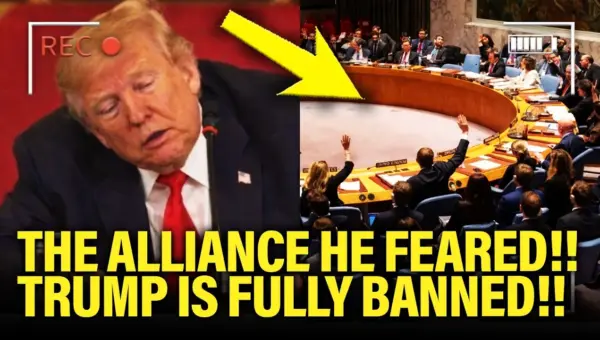
Global Leaders Shun Trump, Forge New Alliances Abroad
World leaders are increasingly excluding Donald Trump from international conferences, signaling a global pushback against his movement. Nations are exploring new alliances and security frameworks independent of the U.S., driven by concerns over American reliability and the rise of right-wing ideologies.

Strait of Hormuz Reopens, Easing Global Oil Fears
The Strait of Hormuz has reopened, potentially easing global economic pressures and lowering oil prices. Meanwhile, singer D4vd has been arrested on suspicion of murder, with new details emerging about the case. A broader investigation is underway into the suspicious deaths and disappearances of 11 scientists involved in sensitive US research.
Trump Taps Vaccine Advocate to Lead CDC, Shifting from Skepticism
President Trump has nominated Dr. Erica Schwartz, a vaccine supporter and former COVID-19 response official, to lead the CDC. This move signals a potential shift away from vaccine skepticism within his political circle. However, experts like Dr. Chris Pernell express cautious optimism, emphasizing the need for vigilance due to ongoing concerns about leadership influenced by anti-science views.