GOP’s Trump Loyalty Now Fuels Their Own Election Woes
Republicans' decision to back Donald Trump on a controversial war has backfired, hurting their own election chances. Their fear of Trump leads them to sacrifice their independence and electoral prospects. This strategy risks alienating voters who are experiencing real economic pain and moral concerns.

GOP’s Trump Loyalty Now Fuels Their Own Election Woes
Republicans in Congress had a chance to check Donald Trump’s power on a deeply unpopular war. Instead, they chose to block a vote on the war powers resolution.
This move effectively gave Trump unchecked authority. Now, the party shares responsibility for the consequences of this war, which has hurt Trump’s and the party’s approval ratings.
This decision highlights a troubling trend in the Republican party. It shows a willingness to give up their own governing power and hurt their chances of getting reelected.
This is driven by a fear of Trump. They are so afraid of his reaction that they sacrifice their own political future and the party’s ability to stay in power.
The Cost of Silence
This situation is made worse by the fact that Trump’s current actions are actively harming Republican prospects. The war has led to rising gas prices and potential energy shortages.
These economic problems affect nearly every part of the global economy. This is bad news for any Republican politician looking to win votes.
Republicans were given a clear opportunity to disagree with the war and show independence. They did not take it.
This moment captures the essence of the modern Republican party: a relentless pursuit of power coupled with a deep-seated cowardice. They are so terrified of Trump that they surrender their independent judgment and their electoral chances just to avoid his anger.
A Strategy Backfires
The logic behind the Republican party’s loyalty to Trump is flawed. They cling to him, fearing a backlash or a primary challenge.
However, if aligning with Trump is what’s causing their downfall, then continuing to do so makes no sense. They remain tied to him, even as his actions drag them down.
The hope might be to distance themselves from Trump after the primary elections. Yet, this strategy seems transparent and unlikely to succeed. Once they are the general election nominees, they can’t suddenly claim the war they supported or the economic problems caused by their deference to Trump were bad ideas.
Moral and Economic Fallout
The war in Iran, and the broader implications of Trump’s foreign policy decisions, carry significant moral and economic weight. The human cost of such conflicts, including the tragic bombing of a school, is undeniable. Beyond the moral stain, the economic consequences are tangible and long-lasting.
Rising fuel prices, potential energy shortages, and the impact on global markets are direct results. These issues affect everyday Americans.
For example, gas prices are expected to remain high for months. This tangible economic pain, combined with the moral questions surrounding the war, is unlikely to be forgotten by voters.
The Democrats’ Stance
In contrast, Democrats have shown a greater willingness to stand on principle, even at a political cost. The government shutdowns over issues like healthcare costs and ICE reforms indicate a party ready to fight for its values. These are not minor issues; they affect millions of Americans.
The fight over funding the Department of Homeland Security, linked to reforms for ICE, highlights this. The memory of tragic events involving ICE and CBP agents remains a powerful motivator. Democrats are signaling a commitment to accountability and reform, suggesting a different approach if they regain power.
Holding Power Accountable
When Trump administration officials are called to testify, they often falter. This suggests their appointments were based on loyalty rather than competence. They are unable to defend their actions or policies under scrutiny, often resorting to deflecting or embarrassing themselves and Trump.
This dynamic suggests that Republicans who are currently tied to Trump are making a significant miscalculation. They believe Trump’s ability to weather political storms will protect them.
However, the current lived reality for Americans is demonstrably worse than it was years ago. Trump himself appears weaker and less in command, eroding public confidence.
The Shifting Sands of Loyalty
Even within right-wing media, there are signs of dissent. Figures who built their careers on loyalty to Trump are now speaking out.
This suggests they see the writing on the wall, recognizing that MAGA may be a failing experiment. They are positioning themselves for survival beyond the Trump era, understanding that people are upset by Trump’s broken promises.
These individuals understand that to maintain their audience, they may need to separate themselves from Trump’s mistakes. They aim to retain credibility as conservative voices. This calculation is crucial for their long-term relevance in a post-Trump political landscape.
A Reckoning Looms
The current political climate suggests a potential reckoning for those closely aligned with Trump. Politicians like JD Vance and Marco Rubio, who have been part of the current administration, face a difficult challenge. Their efforts to distance themselves from controversial policies, like the war in Iran, may not be enough.
Their past actions and statements are being scrutinized. The public is increasingly aware of the disconnect between promises and reality.
The speed of the news cycle means that while individual events might fade, the cumulative effect of poor governance and broken promises can have a lasting impact. The pressure on these Republicans is significant, and their earlier calculations about Trump’s resilience may prove wrong.
Why This Matters
The Republican party’s current strategy of unwavering loyalty to Donald Trump is actively harming its electoral prospects. By prioritizing appeasing Trump over addressing public concerns or upholding independent governance, they are alienating voters and undermining their own credibility. The economic fallout from foreign policy decisions and a perceived lack of competence are creating tangible pain for Americans.
This situation presents a critical juncture for the party. It raises questions about its future direction and its ability to appeal to a broad electorate. The current approach, driven by fear and a misplaced belief in Trump’s invincibility, appears to be a losing strategy that could lead to significant electoral losses.
Implications and Future Outlook
The upcoming elections will be a crucial test of whether voters hold Republicans accountable for their alignment with Trump and his policies. The Democrats, by contrast, appear to be adopting a more principled and tenacious stance, willing to fight for key issues even if it means political risk. This could lead to a significant shift in political power if voters respond positively to this approach.
The trend of Republicans distancing themselves from Trump, or appearing as lone skeptics, suggests a recognition of the party’s precarious position. However, the effectiveness of these maneuvers remains to be seen. The challenge for them will be to regain trust and offer a compelling vision that addresses the concerns of everyday Americans, rather than relying on past loyalties.
Historical Context
The current dynamic echoes past instances where political parties have struggled with the influence of a dominant figure. However, the unique nature of Trump’s hold on the Republican party, characterized by intense personal loyalty and a willingness to disregard established norms, presents a novel challenge. The party’s decision to block the war powers resolution is a modern example of this dynamic, where congressional autonomy was sacrificed for perceived political expediency.
The willingness of figures like JD Vance and Marco Rubio to publicly leak their skepticism about administration policies, as seen in reports about the Iran war decision, indicates a growing awareness of the political liability associated with Trump’s actions. This strategic positioning is a clear sign that these individuals are preparing for a future where they may need to run independently of Trump, attempting to secure a plausible deniability for policies that could become politically toxic.
The Road Ahead
The coming months and years will likely see continued pressure on Republicans to justify their choices. The Democrats are expected to be more aggressive in holding the administration accountable, promising a full accounting of actions taken during previous administrations. This sets the stage for a potentially intense political battle where past decisions will be heavily scrutinized.
The ultimate outcome will depend on whether voters prioritize tangible improvements in their lives or remain swayed by political loyalty. The current trajectory suggests that the Republican party’s miscalculation in tying its fate so closely to Donald Trump may lead to significant electoral consequences in the near future. The next election cycle will reveal if this gamble pays off or results in a substantial political setback.
Source: Trump deals FATAL BLOW to his OWN party with MAJOR MISTAKE (YouTube)

Related Articles

Trump Seeks Medal of Honor: A Tarnished Legacy?
A report suggests Donald Trump is considering awarding himself the Medal of Honor, the U.S.'s highest military award. This potential move has sparked debate about presidential power and the integrity of military honors. Critics argue it would devalue the medal and disrespect genuine heroes.
Trump’s Iran Standoff: Diplomacy or Dangerous Game?
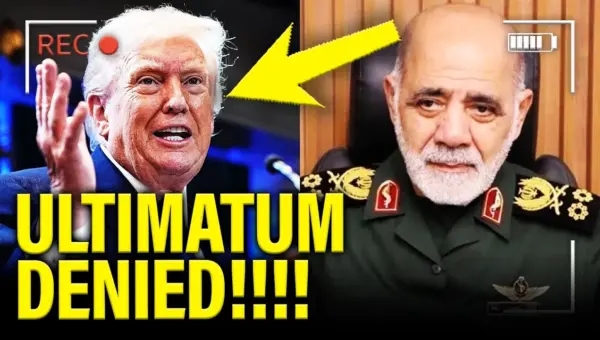
Iran has publicly defied President Trump's demands, refusing to attend negotiations unless the U.S. lifts its Persian Gulf blockade and stops issuing threats. Despite Iran's stance, the U.S. has sent an advance team, highlighting a tense diplomatic standoff. The situation is further complicated by conflicting public statements and social media rhetoric from both sides, raising questions about the path forward.
Trump’s Iran Standoff: A Risky Bet for Global Stability?
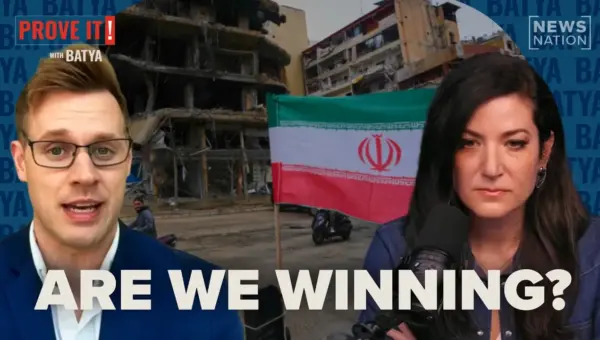
Libertarian journalist Robby Soave and host Batya debate President Trump's Iran strategy. Soave questions the long-term benefits versus the costs, while Batya highlights market confidence and strategic gains. The discussion covers military power, diplomatic goals, and the potential risks of nuclear proliferation.