Iran War Delays Arms Shipments to Europe
The war in the Middle East is causing significant delays in weapons deliveries to European nations, according to a Reuters report. The U.S. is prioritizing its military commitments in the region, leading to a rerouting of arms that have already been paid for by European allies. This shift is impacting both defensive and offensive capabilities, particularly in strategically vital areas like the Baltic states.

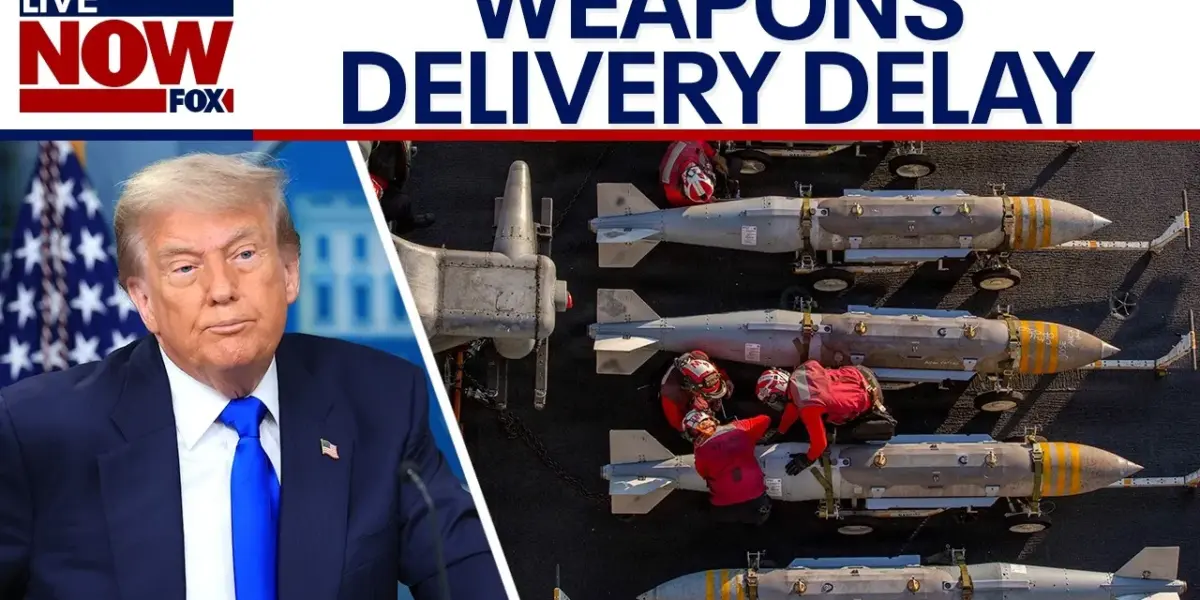
US Shifts Weapons to Middle East, Affecting European Allies
The ongoing conflict in the Middle East is causing delays in weapons deliveries to some European nations, according to a report from Reuters. U.S. officials have informed European counterparts that certain military supplies, which European countries have already paid for, will be rerouted to support operations in the Middle East. This shift in military priorities means fewer weapons will reach European allies bordering Russia, particularly in the Baltic and Scandinavian regions.
Finite Resources Mean Tough Choices
Graham Slattery of Reuters explained that the U.S. has a limited supply of weapons and military equipment. As the war in the Middle East continues, the U.S. military must prioritize its commitments there.
This means that as more resources are sent to the Gulf region, less equipment is available to address other global challenges. These challenges could include potential conflicts in Eastern Europe or the South China Sea.
Impact on Defensive and Offensive Capabilities
The delays affect a wide range of weapons, not just defensive systems. While advanced missile defense systems like the Patriot PAC-3 are in high demand due to threats from ballistic missiles in the Middle East, the reprioritization extends beyond these.
Reuters reports that some offensive weapons, such as medium-range systems intended for use in a full-scale conflict, are also being paused for European delivery. The Pentagon appears to be broadly re-evaluating its global supply chain and deployment strategy.
“The number of weapons and material that the U.S. has is finite. So, as the war goes on, as U.S. commitments in the Middle East continue, we’re seeing the U.S. military needing to prioritize.”
Graham Slattery, Reuters
Baltic and Scandinavian Nations Most Affected
The Baltic states, including Estonia, Latvia, and Lithuania, are particularly vulnerable and are a key focus. These nations are small and share borders with Russia, making them strategically important in the event of a conflict with NATO.
Ensuring these countries have the arms they have purchased is seen as crucial for their defense and for maintaining a strong stance against potential Russian aggression. Reports indicate that other Central and Eastern European nations are facing similar delivery delays.
Frustration Among European Allies
While European allies understand the U.S. commitment to the Middle East, the diversion of certain weapons is causing frustration. Sources in Europe question why systems like the High Mobility Artillery Rocket System (HIMARS), which may not be considered essential for the Iran conflict, are being diverted. They believe that while prioritizing missile defense systems like Patriots makes sense, the broad re-allocation of various types of weaponry and ammunition is a cause for concern in several European capitals.
What’s Next for Arms Deliveries?
The situation highlights the complex global military logistics involved in supporting multiple, simultaneous operational theaters. European nations will likely continue to monitor U.S. military aid and delivery schedules closely. The duration of the conflict in the Middle East will directly influence how long these supply chain adjustments impact European defense readiness.
Source: Iran war forces shift in weapons deliveries to Europe, report says (YouTube)

Related Articles


Pope Condemns Trump’s War, Draft Fears Rise
The Pope has publicly condemned Trump's potential war and the idea of a military draft, urging for peace. Meanwhile, Republicans face voter anger over the conflict, with many avoiding town halls. Concerns are rising about the war's origins, strategy, and the potential return of conscription, highlighting the importance of the upcoming elections.


Trump’s Claims Crumble Amid War and Court Setbacks
Donald Trump's claims about international deals and national security face scrutiny amid war escalations and court losses. Legal challenges, including a blocked ballroom construction and a potential $10 billion taxpayer settlement, raise questions about accountability and priorities.


Harris Blames Netanyahu for Pulling Trump Into Iran War
Vice President Kamala Harris accused Israeli Prime Minister Benjamin Netanyahu of drawing Donald Trump into a war. Speaking in Detroit, Harris argued this conflict, which she says Americans oppose, put service members at risk and raised gas prices. Her remarks come as Democrats look towards the 2028 presidential election.