Peterson’s Quandary: Injury or Strategy in Kansas’ Shadow?
The Domonique Foxworth Show dissects the perplexing case of Kansas star Darryn Peterson, exploring whether his absences are due to injury or a strategic move to protect his NBA future. The conversation touches on evolving athlete power and the illusion of sports.

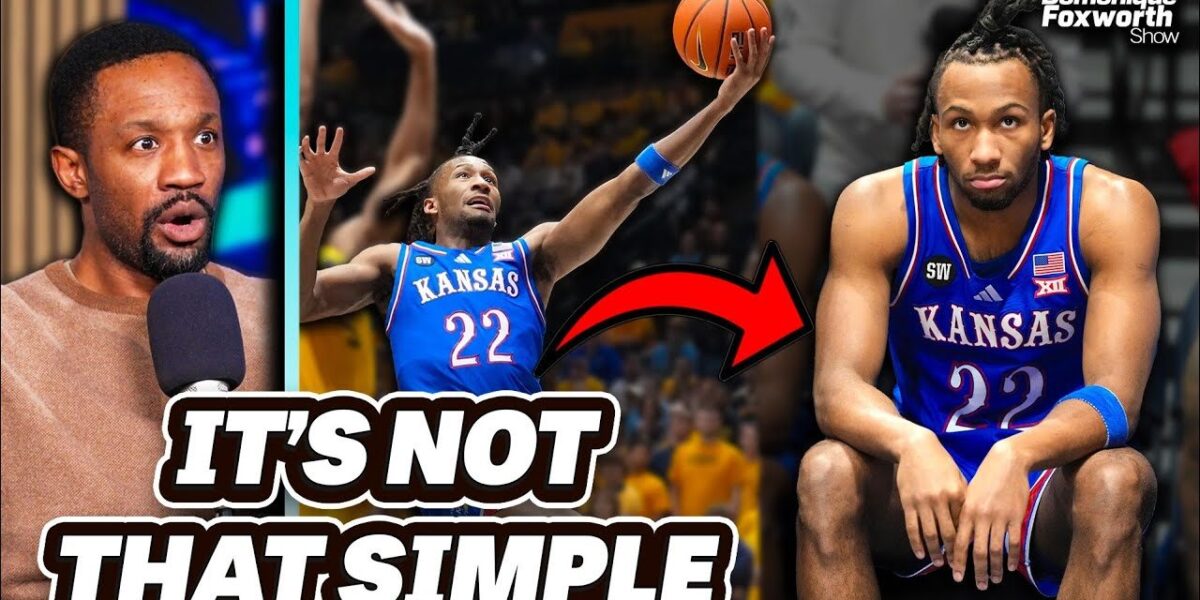
Peterson’s Quandary: Injury or Strategy in Kansas’ Shadow?
The basketball world is abuzz with the perplexing situation surrounding Kansas Jayhawks star Darryn Peterson. Is he battling genuine injuries, or is this a calculated move to protect his future NBA prospects? The debate, fueled by his intermittent appearances and coach Bill Self’s unusually candid remarks, has ignited a conversation about the evolving dynamics between elite athletes, their teams, and the business of professional sports.
A Calculated Risk or Genuine Concern?
The narrative surrounding Darryn Peterson has become one of the most talked-about storylines in college basketball. Reports suggest Peterson has been in and out of games, leading to speculation about his health. Some believe he’s strategically avoiding injury to safeguard a potentially lucrative NBA career, with projections suggesting he could earn close to a billion dollars in the league.
However, others, including those close to him from his high school days, maintain that he genuinely wants to play and is dealing with legitimate injuries. This duality fuels the central question: what is truly happening on the court?
Joel Anderson, a guest on The Domonique Foxworth Show, expressed his bewilderment, stating, “I can’t remember anything quite like this outside of like what Kawhi was going on with with the Spurs.” He added a layer of skepticism towards team and fan perspectives on player health, noting, “I’m always going to be skeptical of the team and the fans perspective on health because they’re only interested in the bottom line and the box score.” Anderson questioned the logic of intentionally damaging one’s reputation and draft stock, even when considering cynical motivations like falling lower in the draft order.
Bill Self’s Uncharacteristic Comments
Adding fuel to the fire are the unusually direct comments from Kansas head coach Bill Self. Typically a staunch defender of his players, Self’s remarks on Peterson’s availability have been notably ambiguous.
“I don’t know, he played what he wanted to play,” Self reportedly stated, a sentiment that has been widely interpreted as a sign of the coach’s frustration or lack of control over the situation. This departure from his usual demeanor is seen by many as a significant indicator of the unusual circumstances at play.
Domonique Foxworth highlighted the telling nature of Self’s statements: “If ordinarily you defend the kid in that circumstance, you’d say, look, if he if he could play, he would be out here. If he could play more, but Bill Self is like getting everybody.
He’s making it clear. I don’t know what the hell it is.” Foxworth elaborated on the implications, suggesting that Self wouldn’t put himself in such a position without significant reason, especially when there’s seemingly nothing to gain.
The Evolving Athlete-Coach Dynamic
The Peterson situation has also brought to light a broader shift in the relationship between athletes and coaches. The days of authoritarian figures like Bobby Knight or Dean Smith, where players largely adhered to the coach’s dictates, seem to be fading. Today’s landscape is increasingly characterized by a “CEO player” mentality, where athletes are more shrewd, calculated, and in control of their destinies.
Anderson observed this evolution: “I think now we’re at this like all these little LeBrons which is about being like cool is being shrewd whereas that wasn’t what was cool in the past… And now we’re at this like um place where again it’s not Darren Peterson necessarily, but like we are at a place where I think athletes are much more shrewd and much more calculated about the things that they’re going to do, the times that they’re going to play, the places that they’re going to be.”
A Broader Conversation: The Illusion of Sports
Beyond the specifics of Peterson’s case, the discussion digs into the nature of sports as entertainment. Foxworth pondered, “sports as an entertainment property is best when it is an illusion to me.” He noted how increased access to analytics and behind-the-scenes information, while offering new ways to engage, can sometimes diminish the magic.
The transcript touched upon the raw, pure nature of youth sports, as seen in a flag football tournament. This contrasts with the highly calculated, business-driven world of professional and collegiate athletics. The idea of players like Peterson, or even historical figures like Michael Jordan, being perceived through the lens of their public image and business savvy, rather than pure athletic performance, is a recurring theme.
Looking Ahead: Peterson’s Path Forward
Regardless of the underlying reasons for Peterson’s situation, the spotlight remains firmly on him. His performance, particularly in high-stakes games like those in the NCAA Tournament, will be scrutinized even more intensely. The hope from many observers is that he can navigate this challenging period, play to his potential, and avoid further controversy.
As Anderson put it, “The spotlight’s on you, bro. You know, we’re going to know.
Are you going to take game are you going to take yourself out with cramps or whatever in a in a in a sweet 16 game? I mean, I just I I hope he holds up.” The narrative surrounding Darryn Peterson is far from over, and how he emerges from this complex situation will undoubtedly shape his legacy.
Key Takeaways from the Discussion:
- Darryn Peterson’s intermittent play has sparked debate about injury versus strategic risk.
- Coach Bill Self’s uncharacteristic comments suggest an unusual situation with Peterson.
- The athlete-coach dynamic has evolved, with players wielding more power and control.
- Sports entertainment relies on a degree of illusion, which is sometimes eroded by increased transparency.
- Peterson’s future actions will be heavily scrutinized, impacting his legacy.
“I’m always going to be skeptical of the team and the fans perspective on health because they’re only interested in the bottom line and the box score.” – Joel Anderson
“I think now we’re at this like all these little LeBrons which is about being like cool is being shrewd whereas that wasn’t what was cool in the past.” – Joel Anderson
“sports as an entertainment property is best when it is an illusion to me.” – Domonique Foxworth
Source: What's really going on with Darryn Peterson and Kansas? | The Domonique Foxworth Show (YouTube)

Related Articles

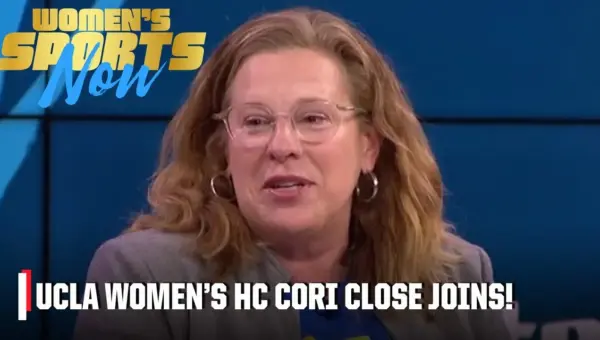
Bruins Crowned Champs! UCLA Dominates Tourney
UCLA's Coach Cori Close celebrated a national championship and a successful WNBA Draft with the Bruins. She shared insights into the team's strong bonds, lessons learned from past tournaments, and strategies for keeping players relaxed under pressure. The team is now looking to the transfer portal to rebuild for next season.


Camara Knew Edwards Was Special Since Georgia Days
Toumani Camara knew Anthony Edwards was a future number one pick the moment he met him at the University of Georgia. Camara highlighted Edwards' exceptional work ethic and mindset, even at a young age. This early insight into Edwards' potential has proven true as he's become an NBA star.
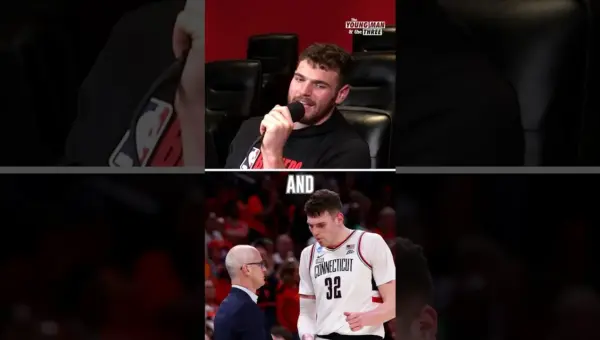
Hurley Pushed Clingan to NBA; UConn Dynasty Grows
UConn center Donovan Clingan revealed Coach Dan Hurley's demanding approach from day one. Hurley promised a "miserable" experience designed to push players to "new levels," a method that has proven successful for many Huskies reaching the NBA.